From a humble fish sandwich to a mushroom dessert, these are the creations that helped Maido in Lima take the No.1 spot on The World's 50 Best Restaurants 2025 list.
"When dishes are very popular on our tasting menu, they end up on the a la carte," says chef Mitsuharu 'Micha' Tsumura. "It's our way of giving them immortality." That's the great thing about his flagship restaurant, Maido, in Lima, Peru – there's an a la carte menu as well as a degustation, so diners can try the most exciting, modern creations, then return for the classics, time after time.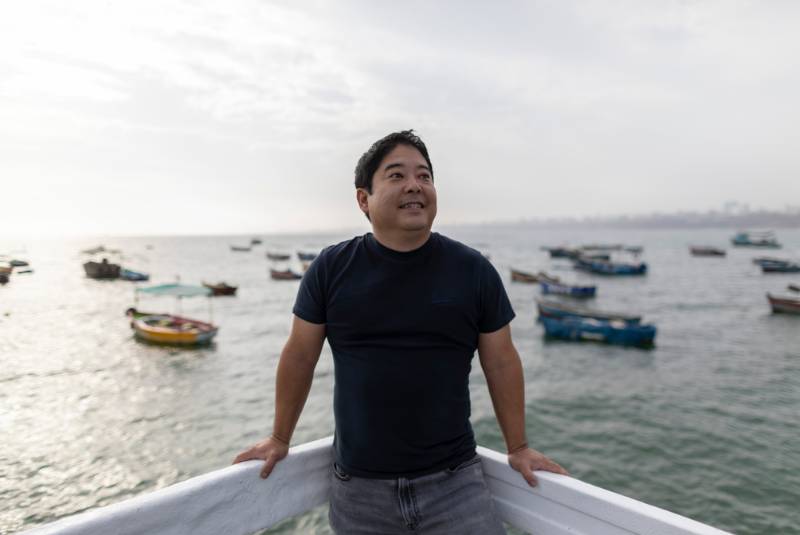
Mitsuharu 'Micha' Tsumura is the head chef at Maido, The World's Best Restaurant 2025
Many of Maido's most loyal customers have been doing exactly that throughout the restaurant's most important milestones, from opening in 2009 to being voted No.1 in Latin America's 50 Best Restaurants in 2017, 2018, 2019 and 2023, to its 15th anniversary in 2024, and finally, being crowned The World's Best Restaurant in 2025.
Tsumura talks us through the dishes that helped make Maido the world's most important reference in Nikkei, or Japanese-Peruvian cuisine.
Nigiri à lo pobre (2009)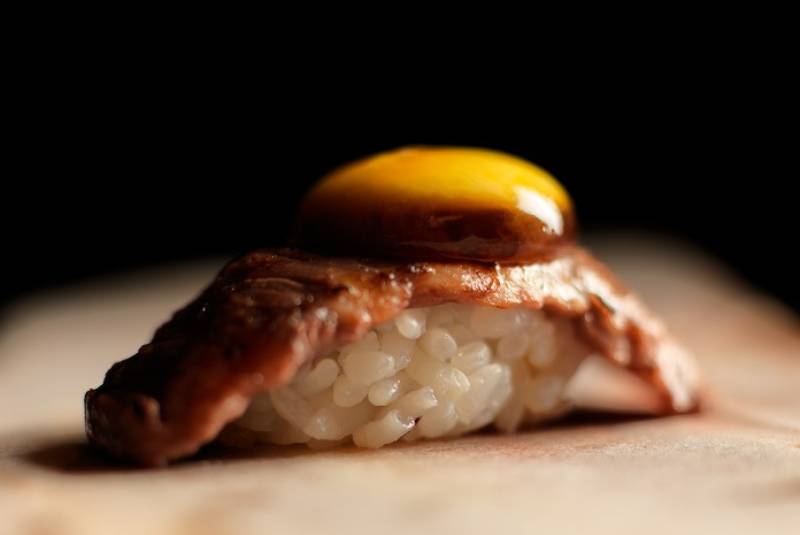
In Peru, as in other parts of Latin America, the staple combination of rice, eggs and plantain is known as à lo pobre, or 'poor man's style'. Add protein on top for steak à lo pobre. When Tsumura opened Maido in 2009, he wanted to make sushi but with beef, inspired by the wagyu sushi he'd made in Japan. The inaugural version featured Angus skirt steak, plantain cream and a quail's egg, and it's remained on the menu ever since. These days it's similar, but with wagyu short rib and ponzu sauce injected into the yolk. Maido started a movement for beef sushi in Peru, which appeals to those who don't fancy raw fish. "Nowadays, beef sushi is everywhere," says Tsumura.
Tacuchaufa (2010)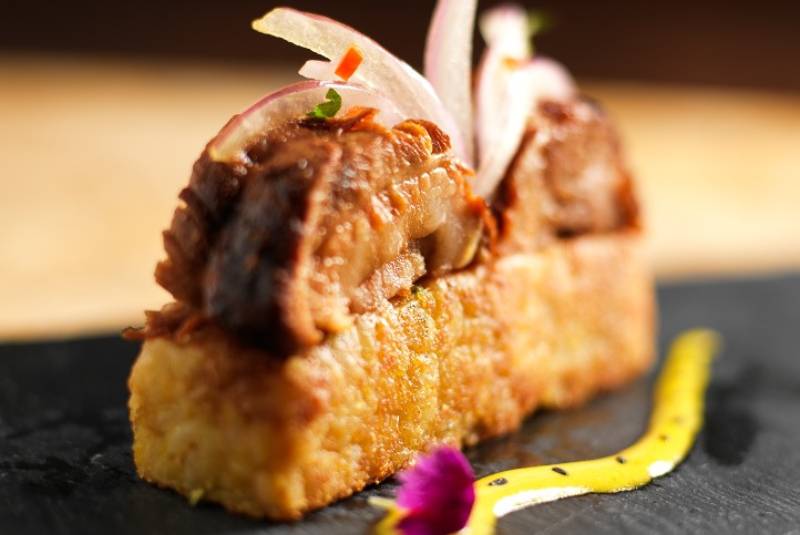
The dish that put Maido on the map, Tacuchaufa is a modern take on two Asian Peruvian classics: tacu-tacu (rice and beans), and chaufa, Chinese-Peruvian fried rice. Maido had not long been open when Tsumura was invited to cook at Lima's popular Mistura Food Festival in 2010. He made his version, featuring rice, beans and tender pork belly, slowly simmered in a sake, soy and mirin sauce. Soon there were lines of people queueing up to buy it – in fact, it was Mistura's top-selling dish that year.
Tacuchaufa was created before Maido opened, when Tsumura was working for another Peruvian legend, Gastón Acurio, at the first location of his flagship, Astrid y Gastón, which went on to become the inaugural winner of Latin America's 50 Best Restaurants in 2013. Acurio was filming a TV show and asked Tsumura to cook him a Nikkei dish – this was the result. It's no longer on the menu, but Tsumura is planning to serve it at one of his other restaurants soon, and hopes to bring it back to Maido. "We're working on a new version, but for now it's part of our history," he says.
Asado de tira 50 horas (2011)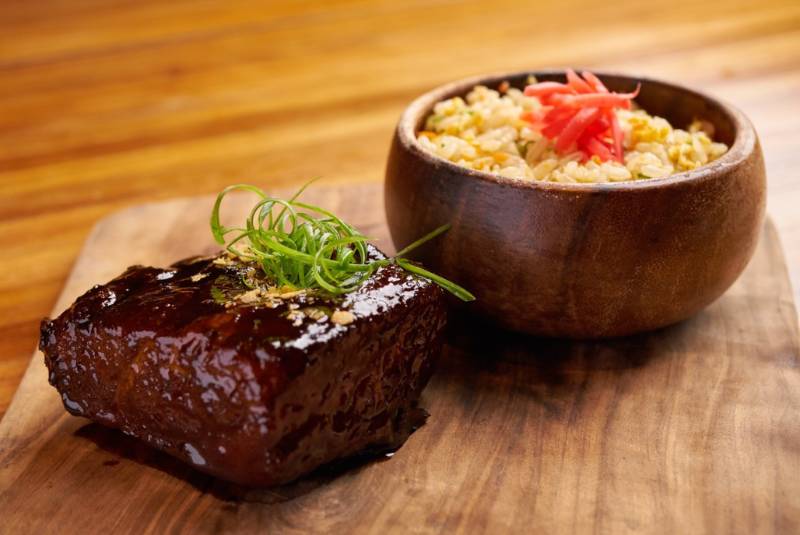
In Japan, nitsuke means 'to stew', and can be applied to fish or meat. Tsumura loves beef so he created a signature version where short rib is cooked for 50 hours and served with a sweet and savoury glaze, crispy garlic on top, and a side of fried rice with cecina, or Amazonian smoked pork. For 10 years, it was the final course of the tasting menu, but diners can now order it a la carte. "This is the signature of Maido," says Tsumura. It's so tender, you can cut it with a spoon.
Sanguchito de pan con pescado (2011)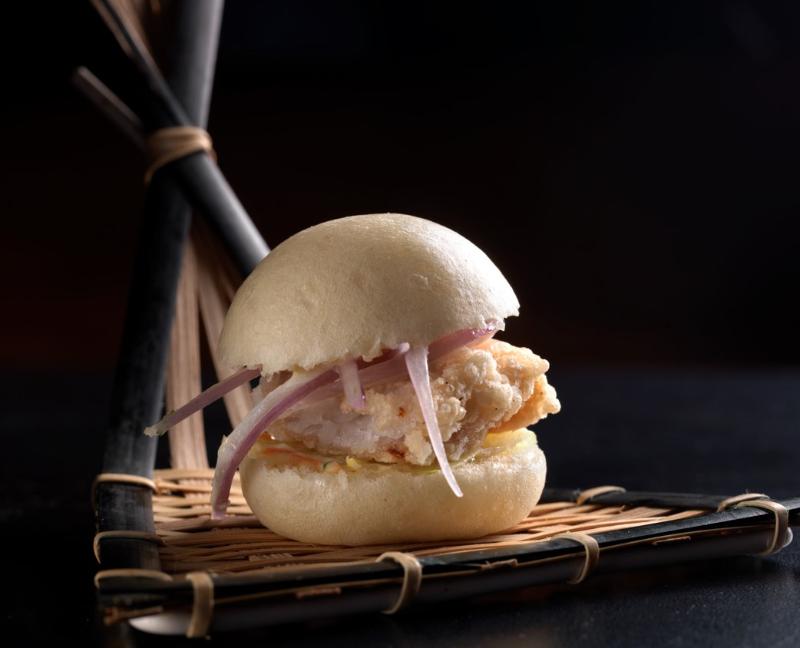
The fried fish sandwich is a typical breakfast for the fishermen of Lima's Port of Callao. For many years, Tsumura made his version with pejesapo, or frog fish, a collagen-rich fish often used in Chinese-Peruvian cuisine that suckers itself to the rocks in shallow waters. Nowadays, there are few frog fish available, so the team serves it with the catch-of-the-day such as grouper, snapper or cod. It was on the tasting menu for eight years and is now a favourite of the a la carte. "People went crazy for it, and they still go to Maido for this dish," says Tsumura.
Cebiche de lapas (2013)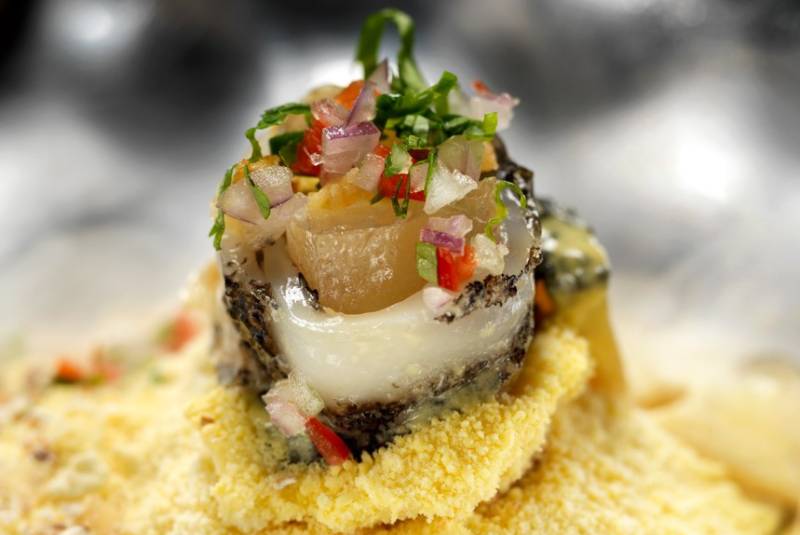
"This one started a new era at Maido," says Tsumura. That's because cebiche de lapas (limpet ceviche) incorporates his signature ají amarillo yellow chilli sauce, which is now sold in supermarkets under the MT sauce brand. "Before working in kitchens, I was frying onions, garlic, ají amarillo, vinegar and salt to make a puree, which was the base for ceviches and sauces that I put on the table to go with my food. My mum and dad loved it, and from there I started making tacuchaufa, which has this base inside the rice. For me, this is the mother sauce," he says.
Playing with ways to incorporate it, Tsumura decided on a ceviche, using liquid nitrogen to transform the ají amarillo into a fine powder, which was sprinkled on top of the ceviche at the table, creating a theatrical smoke effect. "As soon as it hits your mouth, it becomes an ice cream with ceviche flavour." Cebiche de lapas is no longer on the tasting menu, but there's a full-sized version on the a la carte called cebiche sansei.
Rocoto relleno (2014)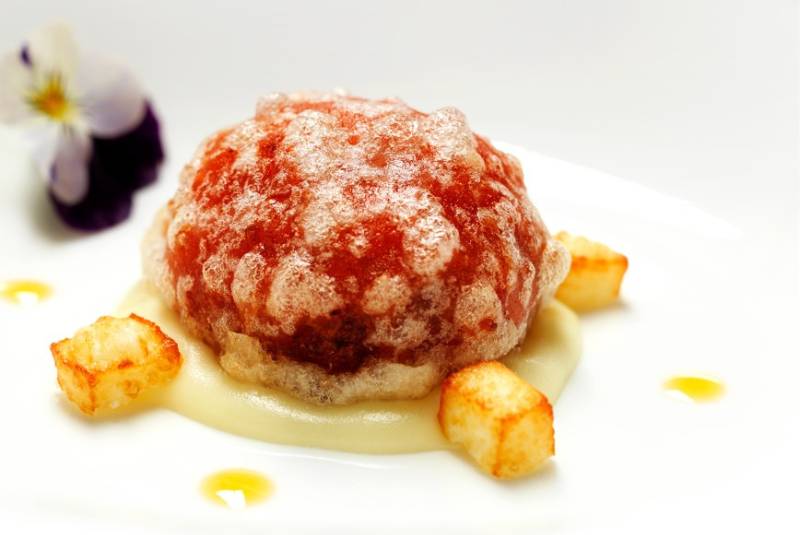
"When people say there are no women cooking in Peru, they haven't been to Arequipa. In Arequipa, women rule," says Tsumura. Inspired by a traditional stuffed pepper dish cooked by the female chefs of Arequipa, Maido's version is stuffed with sliced ribeye and sukiyaki dashi. The flesh of the chilli pepper is mixed with potato flour and turned into a dough, which is then made into a tempura with ribeye filling. When he tried to take it off the menu one year, many customers campaigned for its return. "People were mad about it, so I had to put it back – that's why it will never come off the menu," he says. You'll find rocoto relleno on the a la carte.
Dumpling de chupe (2015)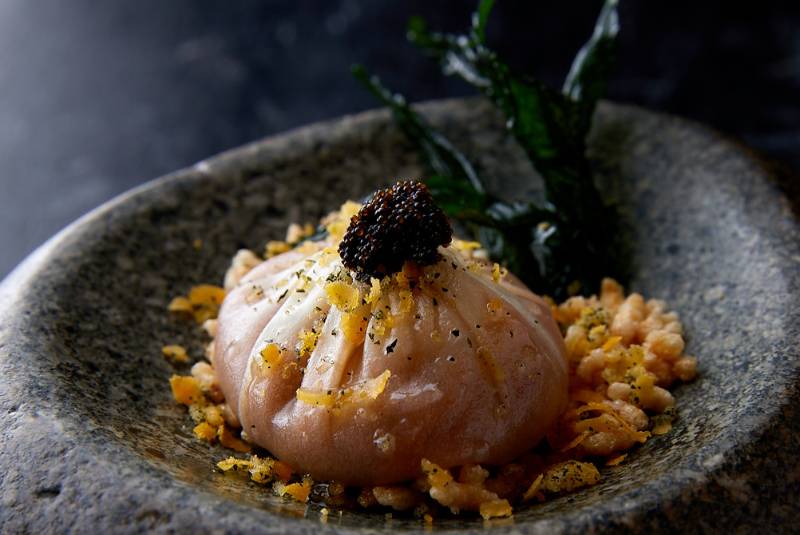
"Peruvian food is full of soups and stews, and the best way to make them look beautiful and bite-sized is in a dumpling," says Tsumura, who learned how to make the dough in Macau. He's served many types over the years, but the first was filled with chupe de camarones, a creamy prawn chowder. It was topped with cured egg yolk with salt and sugar and a small amount of flying fish roe, dyed black with squid ink to look like caviar. It's no longer on the tasting menu, but you'll always find a version on the a la carte.
Sudado norteño (2015)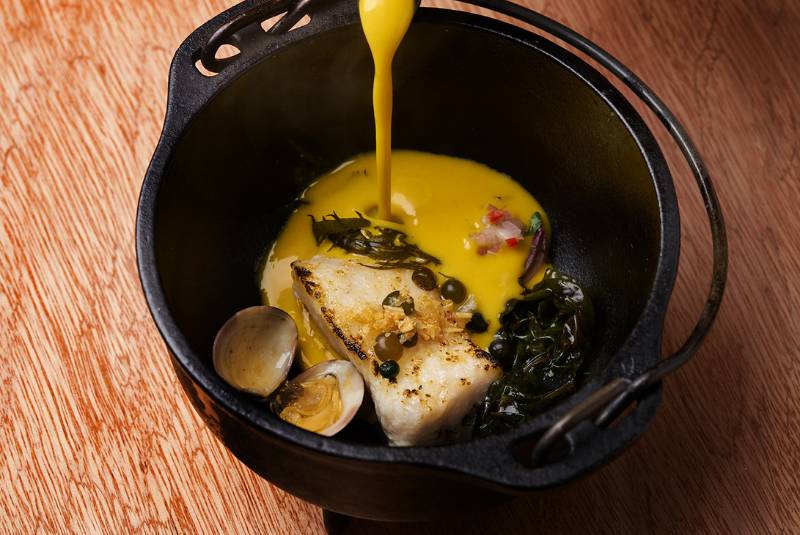
When fellow World's Best Restaurant owners Mauro Colagreco (Mirazur) and Massimo Bottura (Osteria Francescana) visited Maido, they each hailed sudado as the standout dish – which is no surprise, because it's Tsumura's favourite too. Based on his signature yellow chilli ají amarillo sauce, it's an umami soup featuring velvety black cod that "tastes like coming home". It's returning to the tasting menu in a new guise and often features on the a la carte.
Papa amazónica (2016)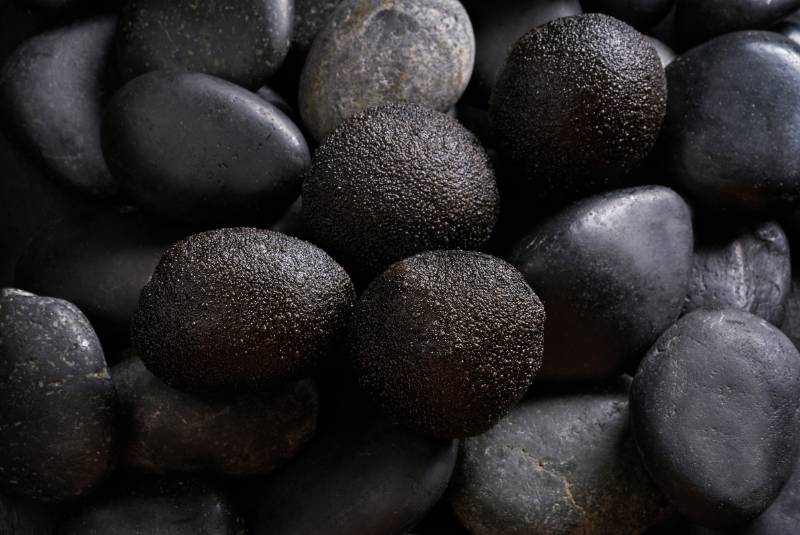
"This little stone inspired many, many years of snacks," says Tsumura, referring to the black rocks made with potatoes and activated carbon, stuffed with smoked Amazonian chorizo and served cold. "People would ask for 10 of them – they're the best munchies!"
Though the rocks are no longer on the menu, there's always a snack featuring the same creamy chorizo foam, most recently in a tartlet with nuts and yacón, a tuber. Made from a special chorizo he sources from the Amazon, the foam is smoky, umami, meaty and creamy. Just don't try to eat the real rocks served under the edible ones.
Toro (2021)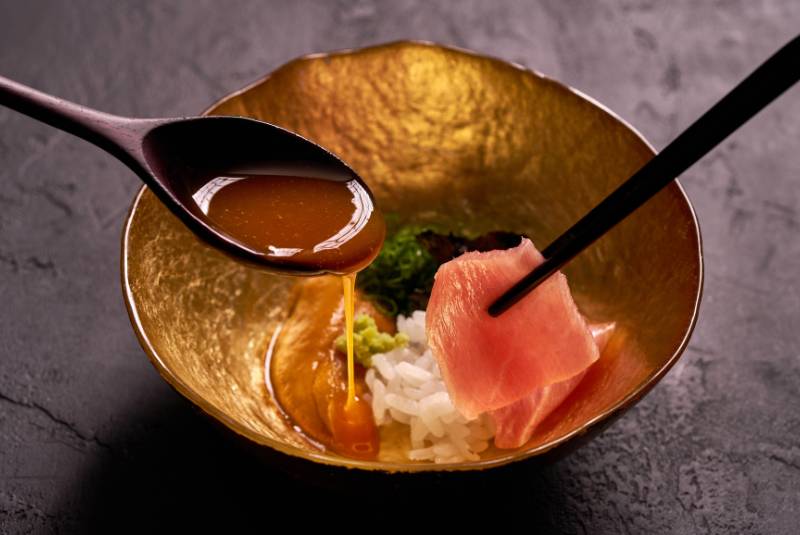
One of the most photographed parts of the Maido experience is when a huge tuna belly is brought to the table and sliced in front of the diner. Tsumura's team have served fatty tuna belly in many ways, from donburi to blow-torched nigiri and hand rolls with unagi. This version, made for Maido's 15th anniversary in 2024, was presented in a bowl with sushi rice, sea urchin, egg yolks cured in soy sauce, and toro marinated in ponzu with Amazonian lime. Just mix everything together and enjoy!
Tiradito de tendón (2022)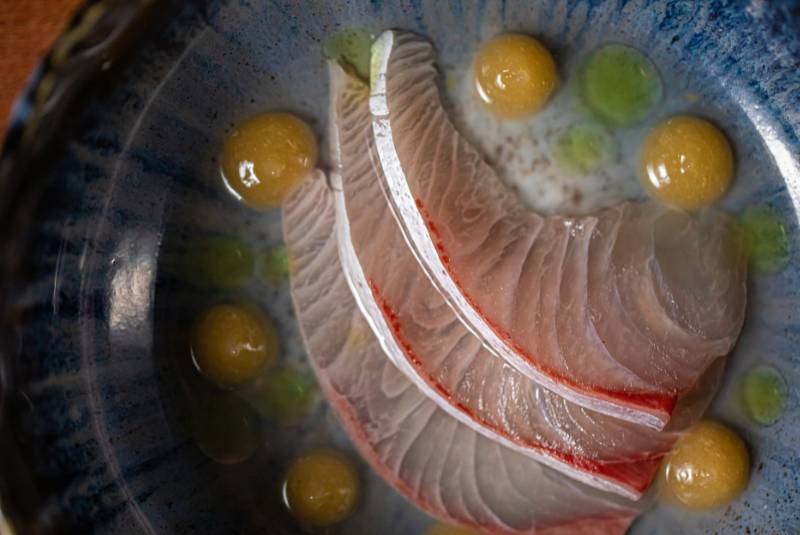
This marked a turning point in Tsumura's passion for collagen, which he had always used to add texture and creaminess to hot dishes, and now begun applying to cold plates. In this tiradito, raw hamachi is cut into thin slices and served with dots of yellow Amazonian tomato cream sauce, and leche de tigre (tiger's milk sauce) with added beef collagen for a thicker texture. Tsumura now plays with beef and pork collagen in all kinds of hot and cold dishes, preferring it over artificial thickening agents. Today, you'll find tiradito on the a la carte.
Semillas (2022)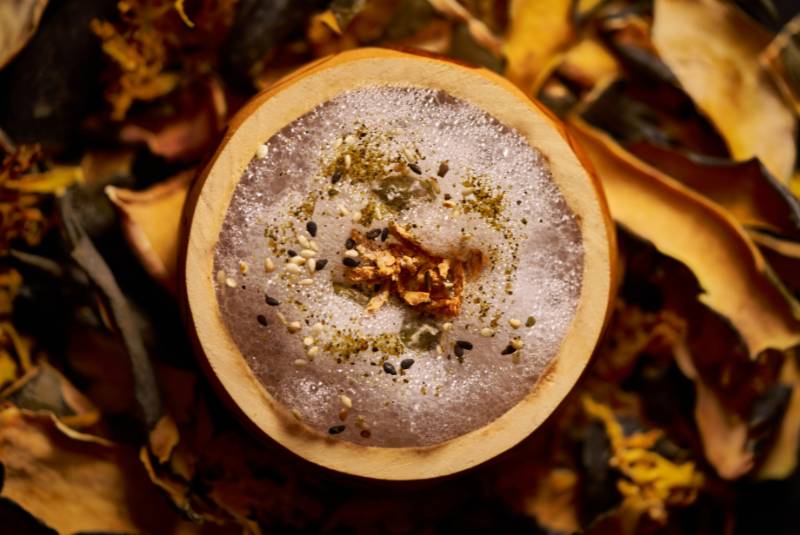
Semillas, or seeds, marked the start of Maido's exploration of savoury desserts. The first iteration featured pumpkin ice cream with miso, chunks of crispy pancetta and a milk made from pumpkin seeds, sunflower seeds and sesame, plus a pineapple foam. When customers reached the bottom of the dish, they were left with a creamy seed milk with crispy seed crumbs, which was reminiscent of a bowl of cereal. Since then, Tsumura has created desserts with mushrooms, chorizo and plantains. "Some milk, something crispy and something salty – that's the way we finish the meal now," says Tsumura.
Maido took the No.1 spot at The World's 50 Best Restaurants 2025, sponsored by S.Pellegrino & Acqua Panna. Discover the full 1-50 list and extended 51-100.