It's official – these are the restaurants ranked 1-50 at Asia's 50 Best Restaurants 2026, sponsored by S.Pellegrino & Acqua Panna.
No.50 JL Studio
Taichung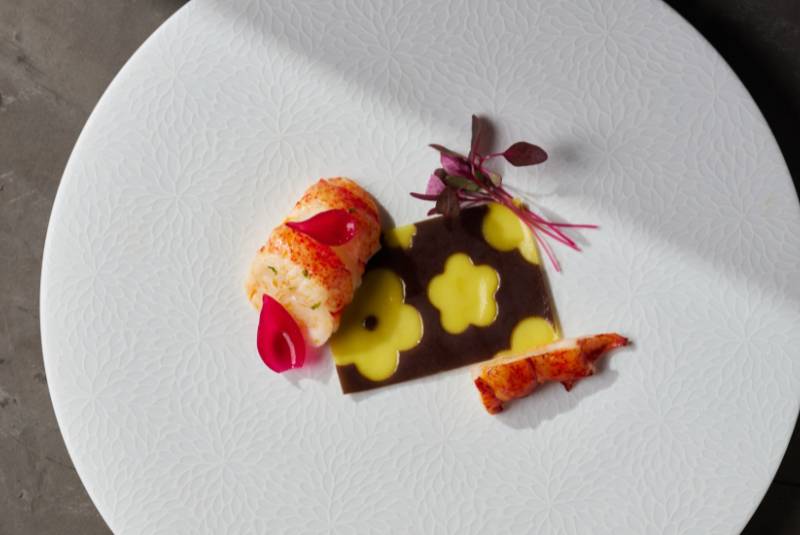
Led by Singaporean chef Jimmy Lim, JL Studio is renowned for reimagining Singaporean flavours through Taiwanese ingredients and refined contemporary techniques. The minimalist, wood-accented dining room sets the stage for an inventive tasting menu where classics like kaya roti, satay and chilli crab are transformed into playful compositions. Around 90% of the produce is locally sourced, resulting in dishes that balance creativity and nostalgia in every course.
No.49 7th Door
Seoul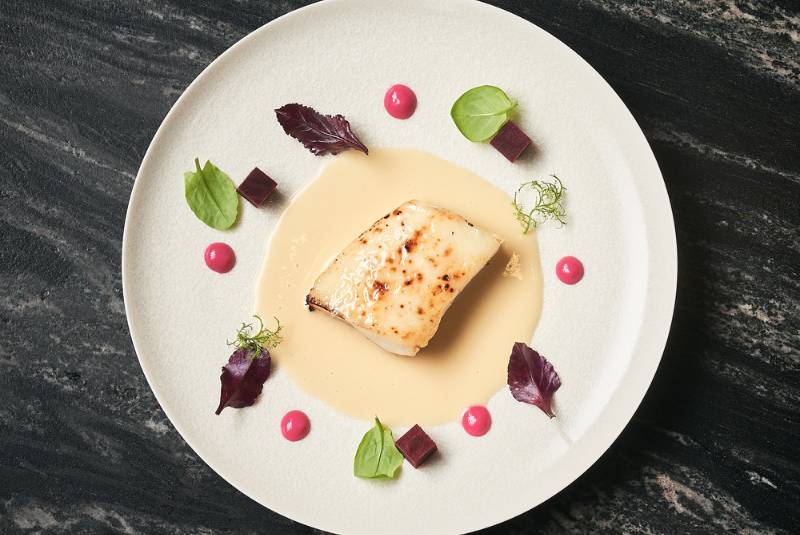
Chef Kim Dae‑chun's cerebral exploration of Korean flavour DNA, 7th Door is built on ancient Korean cooking techniques such as fermentation and ageing. Here, guests move through a corridor lined with long‑aged ferments before entering an intimate 14‑seat dining room, where a three‑hour tasting menu reveals Kim's 'seven tastes' philosophy. Expect high‑precision dishes – aged fish, truffle‑slick tteokbokki and inventive fried bites – crafted through a cutting-edge lens.
No.48 La Bourriche 133
Shanghai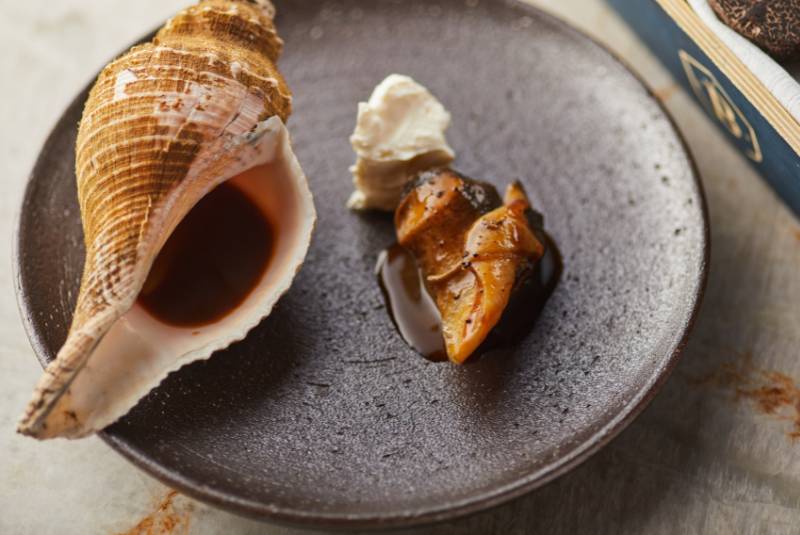
Bringing French seafood finesse to Shanghai's Rockbund, the team at La Bourriche 133 spotlight produce such as pristine turbot, oysters and crab treated with classical technique and subtle Asian accents. Set inside an Art Deco landmark, its brushed‑metal interiors, marble columns and refined seafood counter channel understated luxury. Expect confident, ingredient‑led dishes, guided by a strong French wine list and knowledgeable service, making it a destination for diners who appreciate flavour over flashiness.
No.47 Wana Yook
Bangkok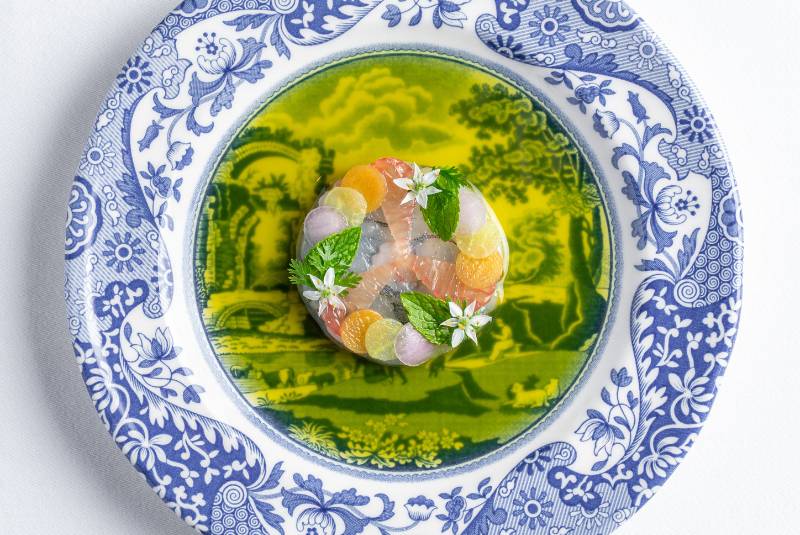
Wana Yook reimagines Thailand's humble khao gaeng culture as modern fine dining, housed in a century‑old colonial home in Bangkok. Chef Chalee Kader transforms regional staples into artful, multi‑course expressions; from dried‑and‑powdered southern gaeng tai pla to nuanced curries paired with diverse rice varieties. Each dish feels both nostalgic and new, offering layered complexity, elegant plating and a sense of culinary storytelling.
No.46 Mono
Hong Kong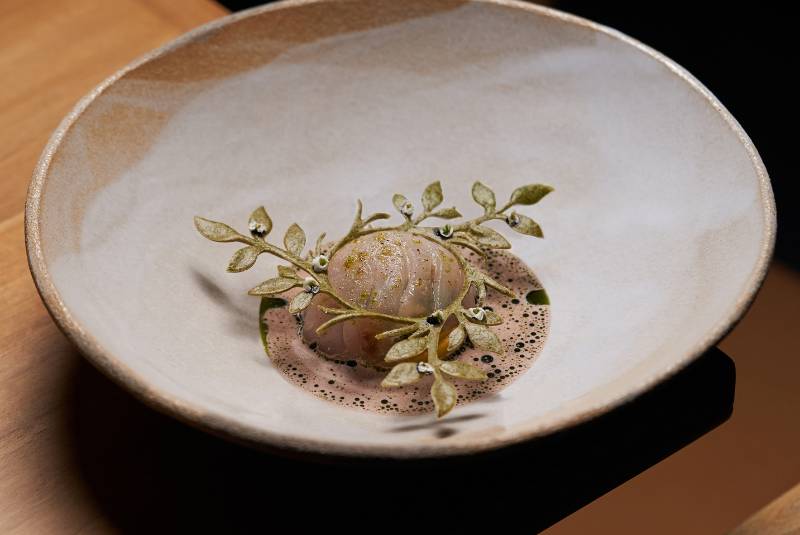
This Central spot channels Chef Ricardo Chaneton's Latin American heritage through a finely tuned tasting menu that fuses Pan-American flavours with French technique. Signatures like the cacao‑kissed Danish langoustine and the 21‑ingredient mole showcase layered complexity and continent‑spanning storytelling in an intimate 30‑seat space. The vinyl soundtrack adds warmth and personality, while thoughtful sourcing and meticulous execution make Mono a destination for gastronomy with cultural depth and modern finesse.
No.45 Nae:Um
Singapore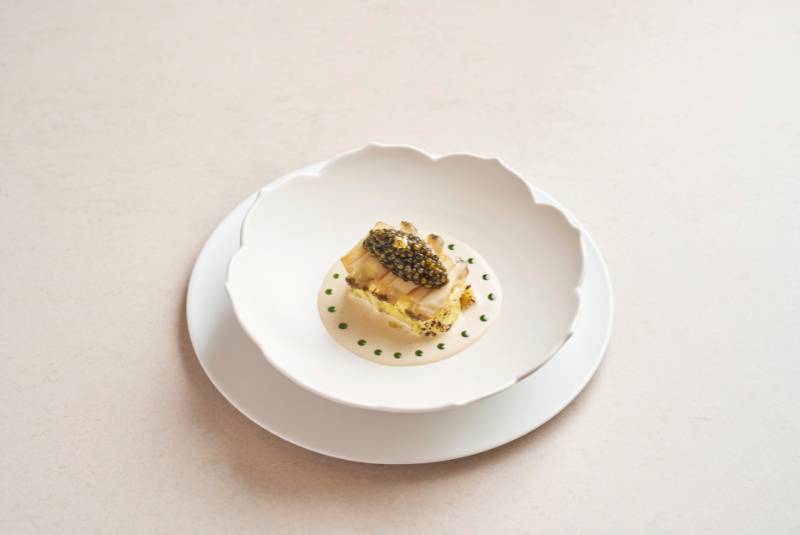
Nae:um, a Korean word meaning 'a fragrance that evokes memory', offers an episodic tasting journey shaped by contemporary Seoul cuisine. Seasonal menus reinterpret Korean heritage through refined technique, weaving personal recollections from chef Louis Han into dishes that feel both ethereal and rooted. Set in a calm, serene dining room, the experience unfolds as a narrative, featuring dishes such as rustic memilmyeon (cold buckwheat noodles) reimagined as haute cuisine, dressed with white kimchi, perilla oil and cured roe sauce.
No.44 Locavore NXT
Ubud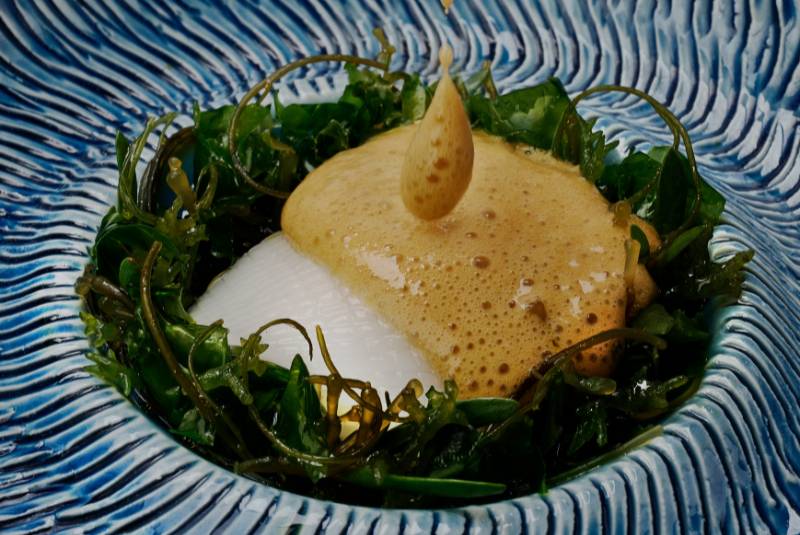
Locavore NXT may have only opened in late 2023, but it's made quite an impression on Asia's discerning dining community. A Willy Wonka-style wonder factory spanning a rooftop food forest, a fermentation lab and an underground mushroom chamber, it's a powerhouse of eco-conscious, plant-based cuisine. Masterminded by Dutch-Indonesian duo Eelke Plasmeijer and Ray Adriansyah, the restaurant's immersive multi-course tasting menu, which often includes as many as 20 courses, spotlights Indonesia's extraordinary biodiversity alongside contemporary cooking techniques, with seasonal, hyper-local and foraged ingredients taking centre stage.
No.43 Bium
Seoul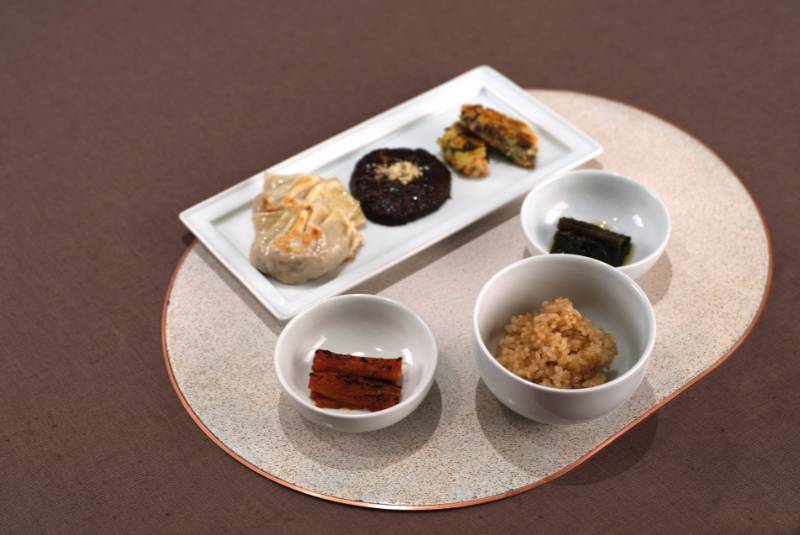
At Bium, which translates into 'emptiness' in English, a shrine-like space reimagining ancient Korean temple cuisine through a fine-dining lens, food is thoughtful, intentional and grounded in simplicity – an antidote to the bells and whistles of modern, overly processed, overly hyped dining. Every dish served within the restaurant's serene, spiritual space – all wood, handmade hanji paper and artisan ceramics – embodies one of the four Buddhist elements: earth, air, fire, and water, evoking a sense of harmony and inner balance.
No.42 August
Jakarta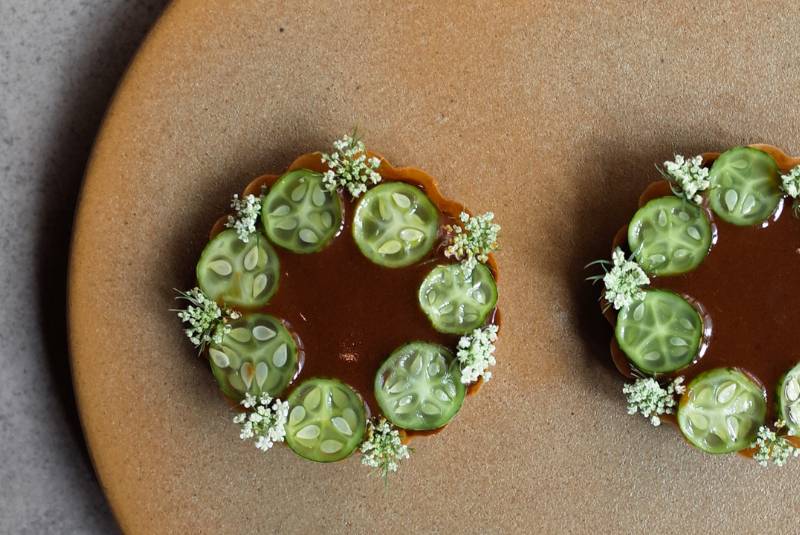
Opened by chef Hans Christian and F&B pro Budi Cahyadi in 2021, this 50-seat dining destination, located in the teeming metropolis of Jakarta, is warm and chic and, despite its size, still feels cosy. With a large kitchen dominating the restaurant, diners can enjoy their meal with a full view of the action. The Chef's Counter offers guests front-row seats overlooking August's pastry section, which is overseen by Ardika Dwitama, winner of the Asia's Best Pastry Chef Award 2026, sponsored by Valrhona.
No.41 Mosu
Seoul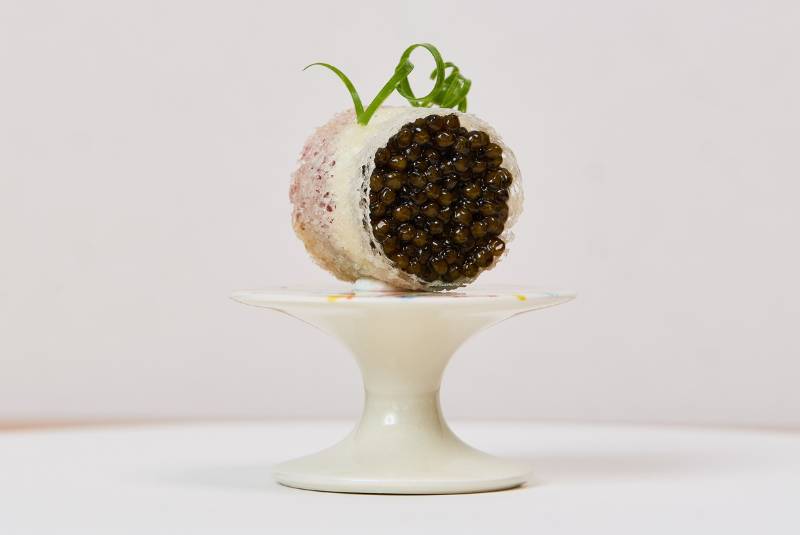
Chef Sung Anh trained at renowned kitchens including The French Laundry and Urasawa before stepping out on his own to launch Mosu, whose name derives from the Korean word for cosmos, a flower Anh remembers from his childhood garden in Seoul. As the nostalgic title indicates, classic Korean flavours are at the centre of Mosu's menu, elevated with modern, global techniques and contemporary plating; think of it as the story of Anh's life, told through food.
No.40 Labyrinth
Singapore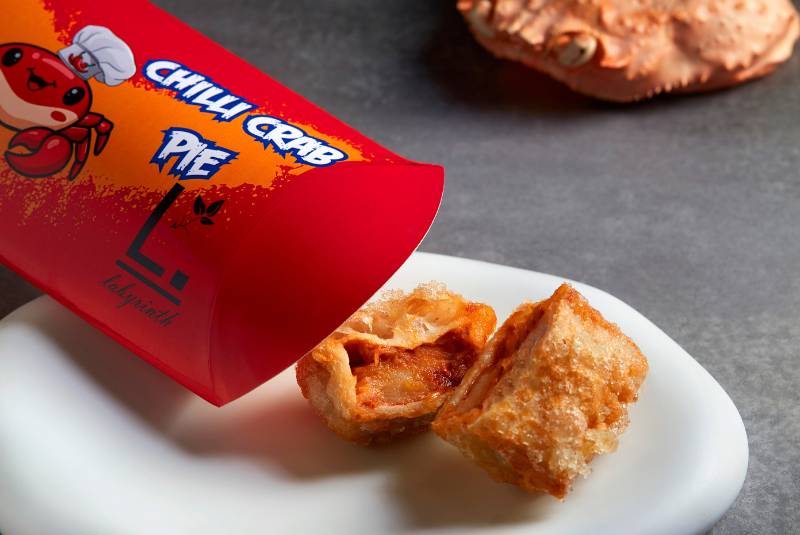
Labyrinth takes inspiration from heritage Singaporean dishes, turning them into the most modernised and elegant versions of themselves. Chef Liguang Han's food is constantly evolving; every meal here feels different, yet the core of his ideas stem from dishes that you find along the streets of Singapore. The set menu has multiple small dishes, all of which are constantly being updated and rotated. Most of these are based on items that will trigger nostalgia among locals and Singaporean food lovers, like the bak kut teh or chicken rice donabe.
No.39 Au Jardin
Penang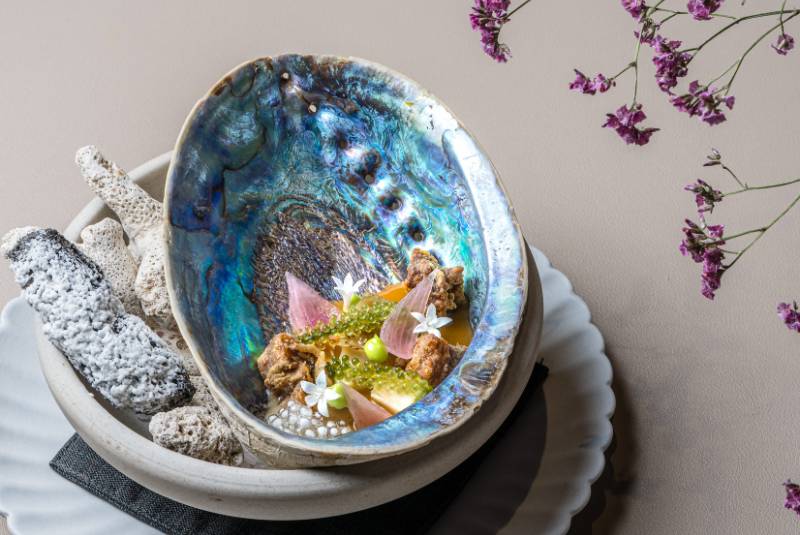
A hidden oasis contained within a warehouse at a former bus depot, Au Jardin is French for 'in the garden' – and, once you've transcended the corrugated metal panels of its utilitarian exterior, you'll immediately notice why. Swathed in greenery, with plants rising up from pots around its perimeter, the restaurant's courtyard-like atrium hints at the earth-loving nature of chef Su Kim Hock's fine-dining menu. Giving this secret sanctuary even more of an exclusive air, the refined dining room beyond seats just 18 guests.
No.38 Les Amis
Singapore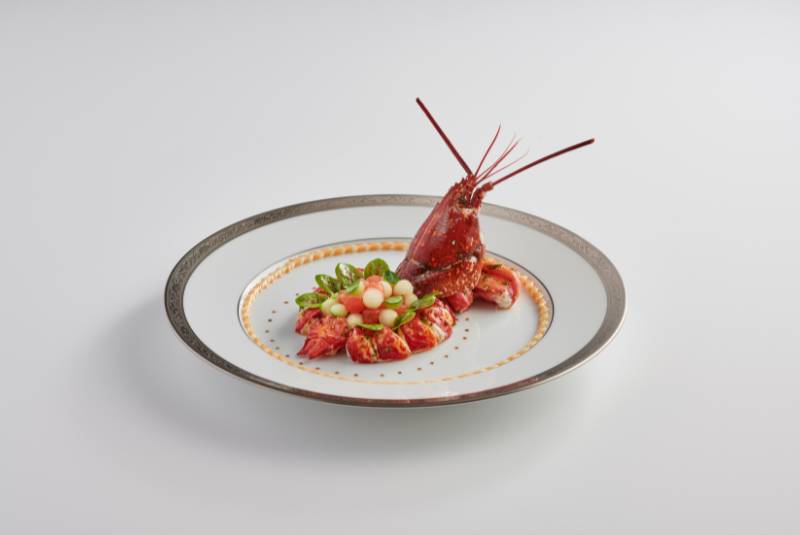
Les Amis, the French translation of 'friends', is the sophisticated original restaurant of the Les Amis Group. In the 1990s, there was a dearth of independent fine-dining restaurants in Singapore, but on opening in 1994, Les Amis filled the void and has grown to become an emblematic French restaurant in the city-state. Current tasting menu dishes include blue lobster salpicon with a velouté of oyster jus and tapioca; black forest venison with truffle and juniper berries served alongside grapefruit compote.
No.37 Narisawa
Tokyo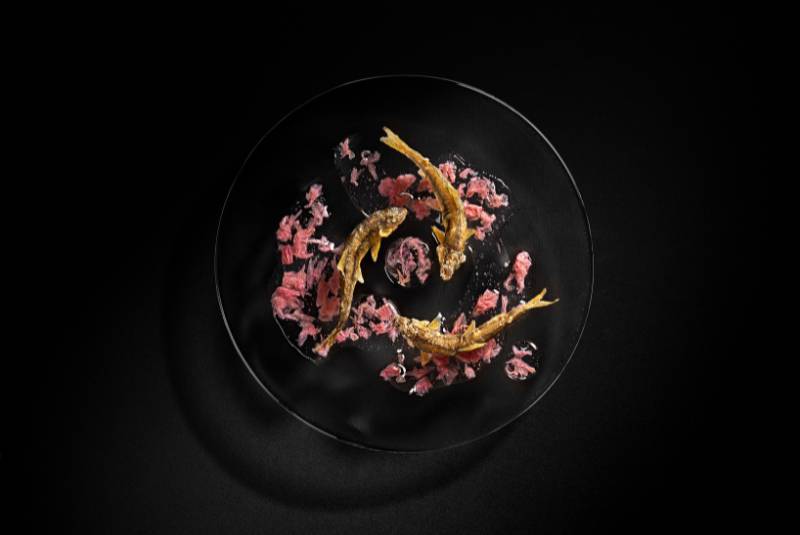
At one of Tokyo's finest dining destinations, chef Yoshihiro Narisawa channels the traditional satoyama farming system of premodern Japan – flatland cultivation, husbandry of the nearby forests and hunting-foraging in the mountains. The stunning Temari dish is a recreation of a traditional toy, here made with root vegetable strips wrapped around a crab and scallop dumpling. In true omakase style, the full menu will pivot every day depending on availability of ingredients, but draws inspiration from Japanese, Chinese and French cuisines.
No.36 Le Du
Bangkok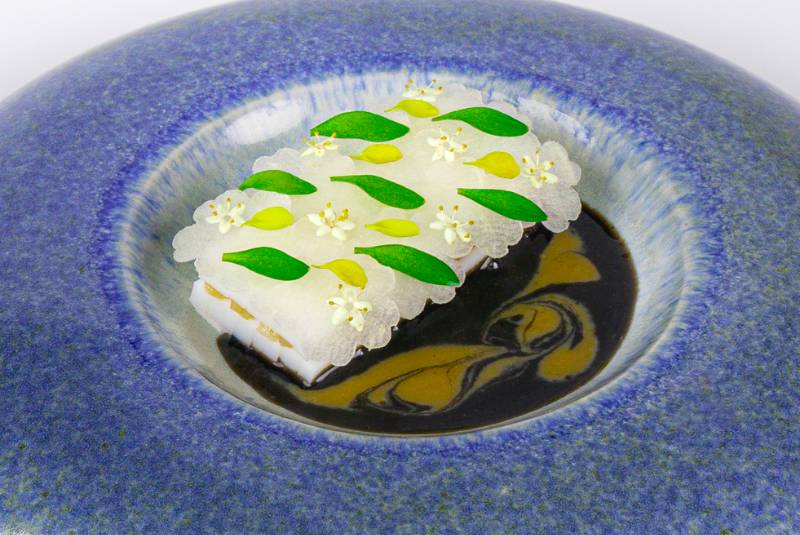
Since 2013, chef and co-owner Thitid 'Ton' Tassanakajohn has been on a mission, advocating Thai cuisine to the world through his dishes at Le Du, his various other restaurants and via chef collaborations. Le Du loosely translates to 'seasons' in Thai and the food follows that flow in a contemporary tasting menu highlighting the array of techniques Chef Ton has picked up throughout his career, paired with the in-season ingredients. On the four or six-course tasting menus, expect dishes such as the signature river prawn or the tender grouper paired with prized ant eggs.
No.35 Caprice
Hong Kong 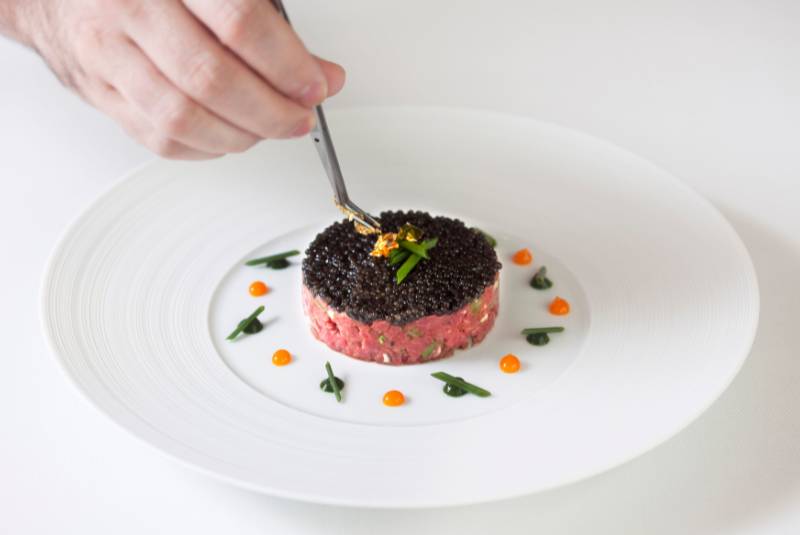
With its glass-floored catwalk, dazzling crystal chandeliers, panoramic harbour views and smooth service from a fleet of immaculately groomed staff, Caprice oozes opulence at every opportunity. Here, every meal is destined to be a memorable occasion that's well worth dressing up for. The menu is unabashedly luxurious – think Australian wagyu beef with Gillardeau oyster and caviar; daily wild caught fish with a light seafood consommé and Timut pepper; and a Brittany blue lobster, beetroot and chocolate with ruby sauce.
No.34 Crony
Tokyo 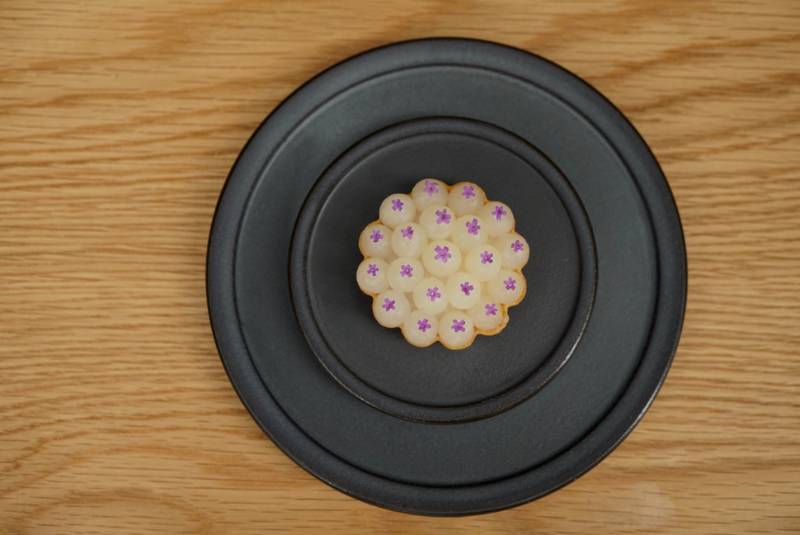
Opened in December 2016 by chef Michihiro Haruta and sommelier Kazutaka Ozawa, Crony was born from the pair's shared vision of combining culinary artistry with sustainable practices. Their 15-year friendship serves as the foundation for nurturing connections with local producers, reflected in the venue's name, which roughly translates as 'a lifelong friend with whom you could drink tea'. This same ethos is mirrored in the connection between team and guests, who are welcomed into the two-story home in which the cosy Scandinavian-designed restaurant is housed.
No.33 Myoujyaku
Tokyo 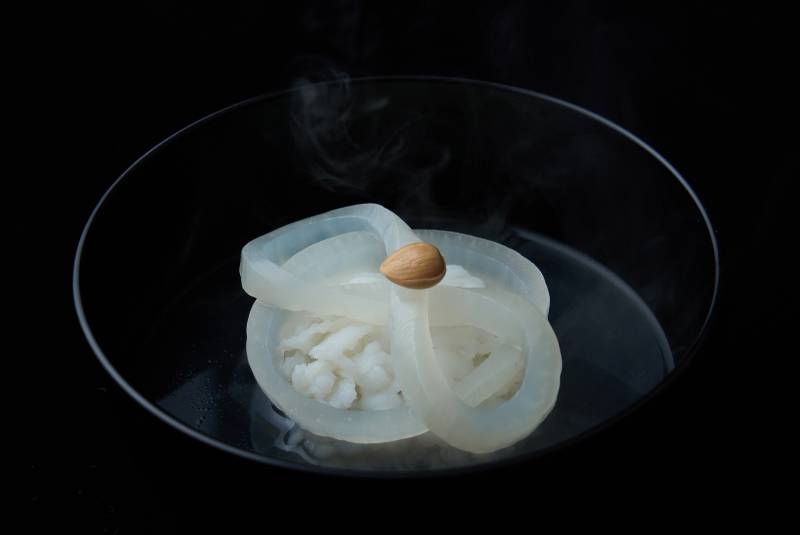
Found on a quiet residential street in Nishiazabu, Myoujyaku's interior – designed by Tetsu Kikima – offers a serene setting. The culinary philosophy behind the 14-course, French-leaning omakase menu revolves around three guiding principles: harmony, flavour and purity. Chef Hidetoshi Nakamura and his team are dedicated to bringing out the innate potential of each ingredient, focusing on seasonal vegetables and seafood sourced from the rich landscapes of Edo Tokyo and beyond.
No.32 Estro
Hong Kong 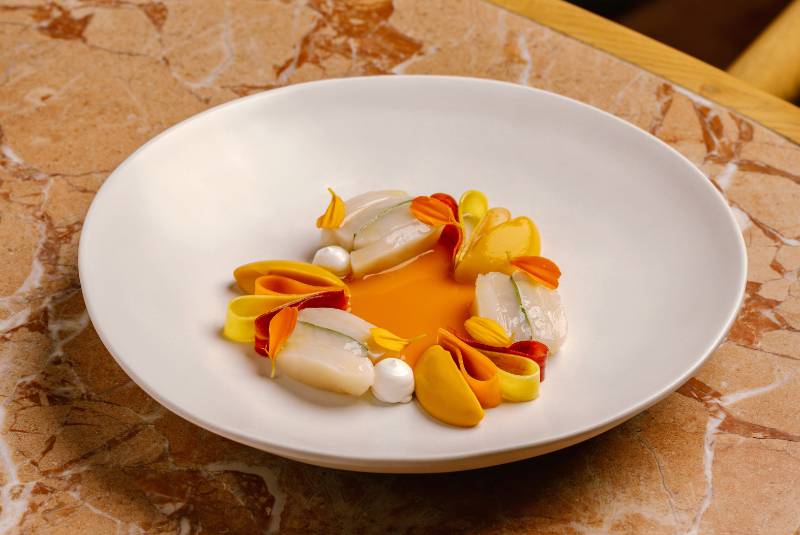
At Naples-born Chef Antimo Maria Merone's Estro, it's all about flowing lines, serene autumnal tones and Italian produce made with the very best seasonal ingredients. Tables are a white linen affair, but primary colours pop up via murals and eccentric patterned wallpapers to give the space unique character. Its style of service follows suit, offering classic, attentive hospitality while aptly avoiding any pretentiousness.
No.31 Florilège
Tokyo 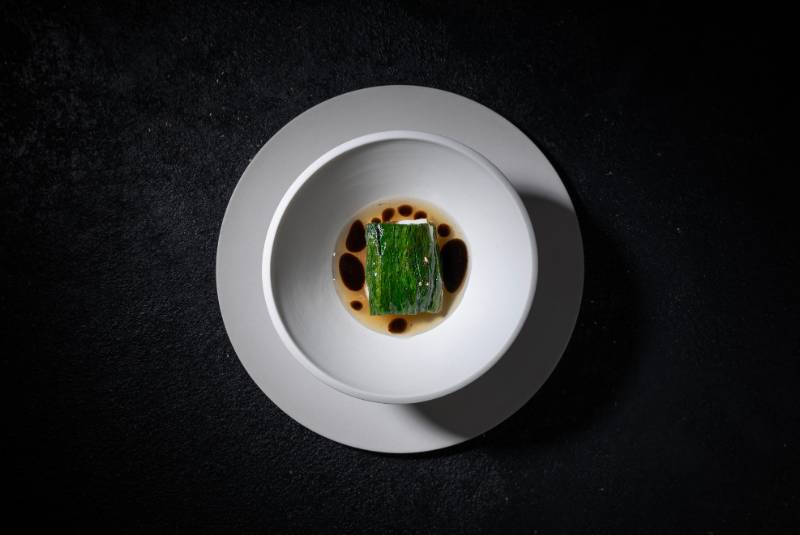
At Florilège, chef Hiroyasu Kawate serves his creative tasting menus of contemporary French-accented cuisine in a spacious, theatrical setting. Kawate has a passion for sustainability. Wherever possible he uses locally sourced ingredients, imbuing his menus with a distinctive Japanese character. Nowadays, Kawate and his team are committed to serving less meat and seafood and more vegetables, reflected in the plant-forward tasting menus.
No.30 Naar
Kasauli 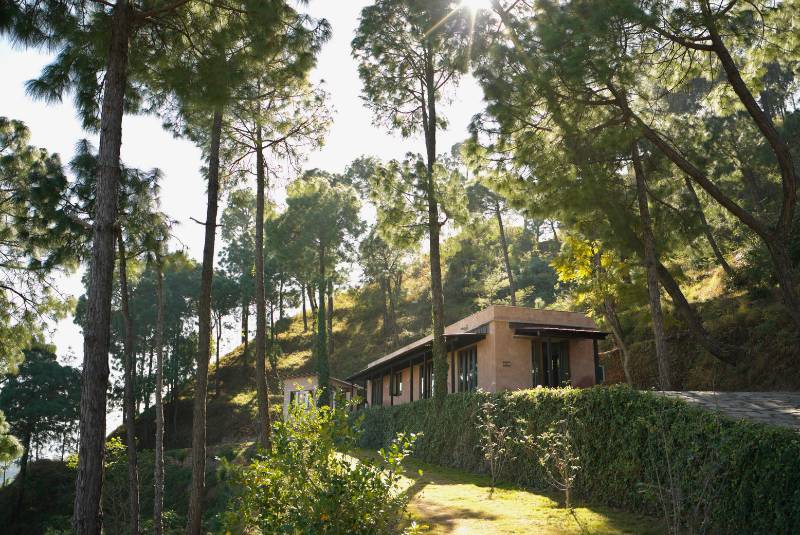
Accessed via vertiginous mountain roads high up in the Himalayan foothills, Naar is the ultimate example of destination dining: eating here is an immersive experience brought to life by soul-stirring views, endemic ingredients and expert storytelling. A labour of love, the name translates as 'Fire', representing not only chef Prateek Sadhu's burning desire to bring the traditions and flavours of Himalayan cuisine to a global audience, but also the elemental spirit behind his food.
No.29 102 House
Shanghai 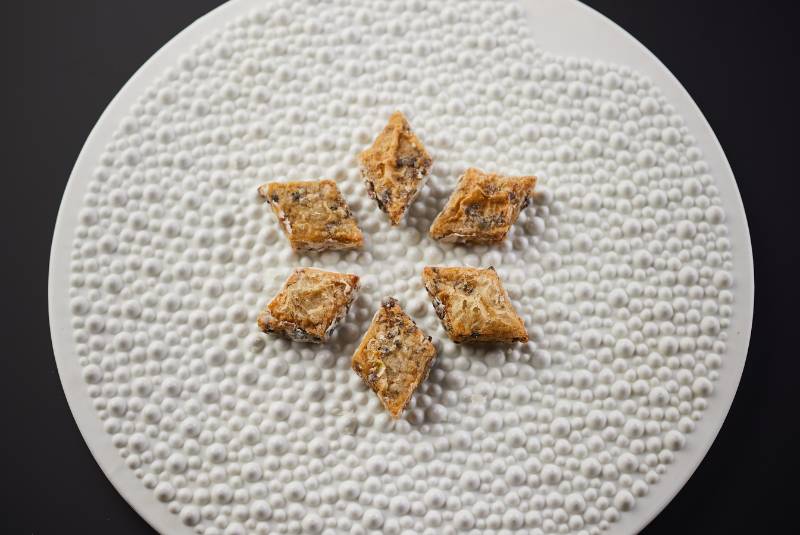
102 House was originally opened in 2006 by chef Xu Jingye as a small private kitchen in Foshan, Guangdong – but in 2021, after years of building a cult following through word-of-mouth recommendations, the restaurant upped sticks to the fifth floor of the House of Roosevelt Building on the Bund. Here, Chef Jingye is dedicated to reviving Cantonese banquet cuisine – a formal, multi-course style of cooking historically served at weddings and other grand celebrations – and refining it to appeal to the modern palate.
No.28 Maz
Tokyo 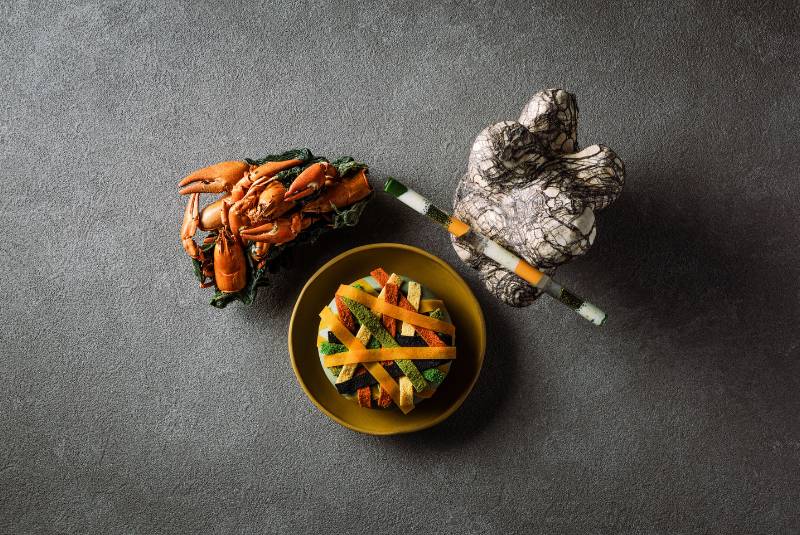
When guests arrive at Maz they can expect an immersive vertical expedition of Peru's various altitudes, reflecting the nation's multitude of ecosystems. The menu is presented as moments of a travel experience, with guests moving through courses with evocative names like Ocean Haze and Woods in the Highland. This culinary project is overseen by Virgilio Martinez of Central in Lima, inspired by research arm Mater Inicitiva's motto, afuera hay más (there is more outside), the restaurant pays homage to the Peruvian landscape and Japanese seasonality, crafting a distinct dining experience.
No.27 Ms. Maria & Mr. Singh
Bangkok 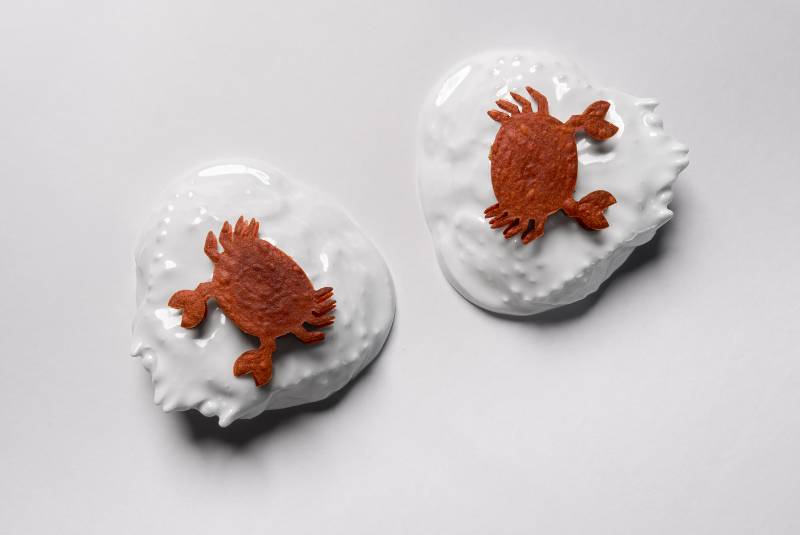
This irresistibly fun, intentionally gaudy restaurant from Gaggan Anand tells the tale of two fictional characters: Ms. Maria and Mr. Singh, a Mexican woman and an Indian man who meet and fall in love. The moral of the story? Indian food and Mexican cuisine are a match made in comfort-food heaven, their union giving rise to a family of dishes spilling over with flavour, colour and a serious helping of joy.
No.26 Eatanic Garden
Seoul 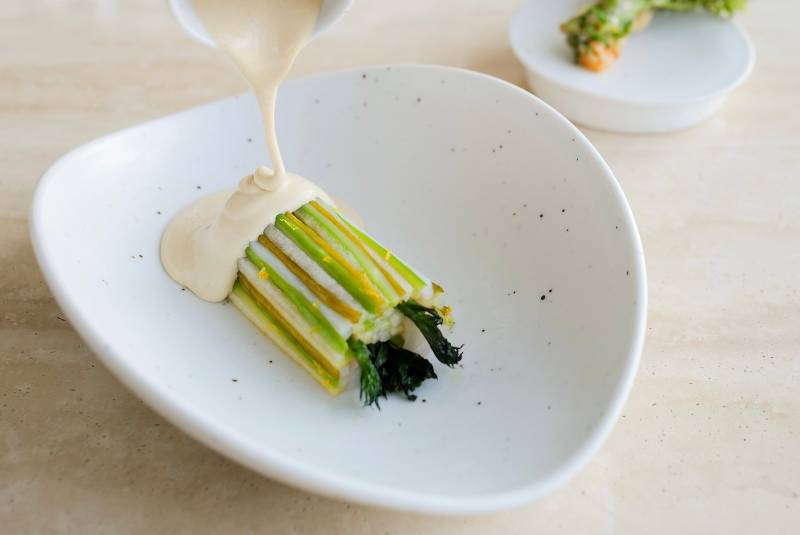
Found high above the busy streets of Seoul at level 36 of Josun Palace, Eatanic Garden is a culinary sanctuary blending nature with gastronomy. In Korean, the restaurant's name plays on the homophony between 'Eatanic Garden' and 'botanic garden'. Instead of a conventional written menu, guests receive a beautifully illustrated card per course showcasing the key ingredient used in each dish. This intuitive approach allows chef Son Jong-won to craft dishes that evolve with the seasons and means everything can be tailored to the freshest produce available.
No.25 Potong
Bangkok 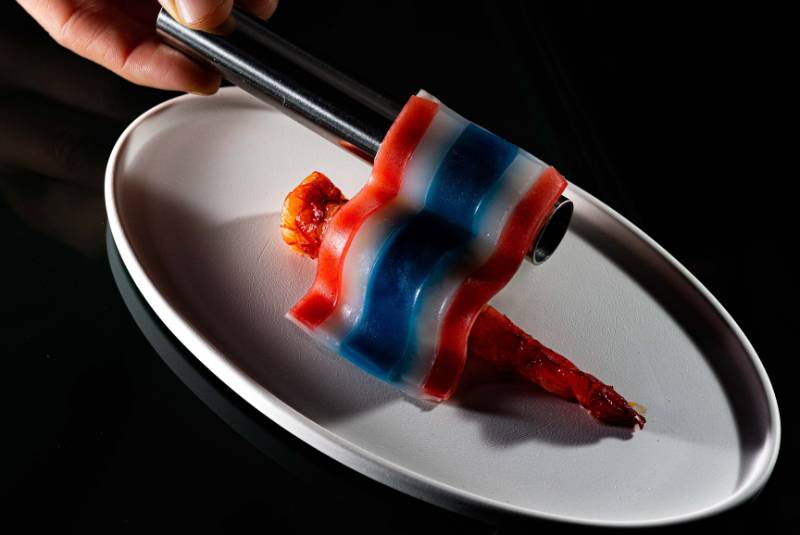
The food at Potong focuses on five elements: salt, acid, spice, texture and Maillard reaction (the chemical process of reducing sugars that brings distinctive flavour). The degustation starts with house-made charcuterie and collaboration wine, before moving through courses including Historical Stories – crab roe, blue crab and brioche; Bold – 14-day aged duck; and Heritage – pandan, a peanut bon bon and tamarind. The tasting takes diners through chef Pichaya 'Pam' Soontornyanakij's culinary memories and emotions.
No.24 Neighborhood
Hong Kong 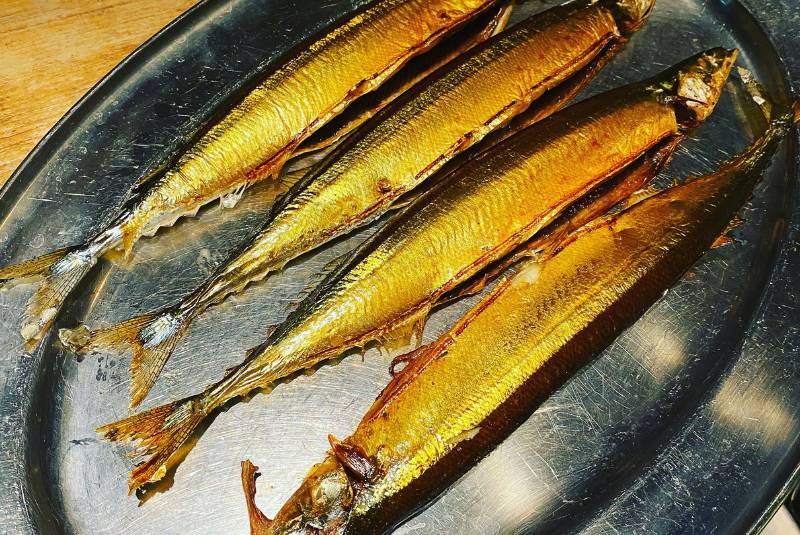
Down a hidden laneway and surrounded by rowdy bars, wet markets and antique shops, Neighborhood is – at first glance – an unlikely gourmet's destination. Yet diners come from all over town for a taste of chef-owner David Lai's seemingly simple and mostly French cooking. The wine list is as compact and well-considered as the food offering, with under-the-radar labels selected by consultants Reeze Choi and Wallace Lo of Somm's Philosophy.
No.23 Born
Singapore 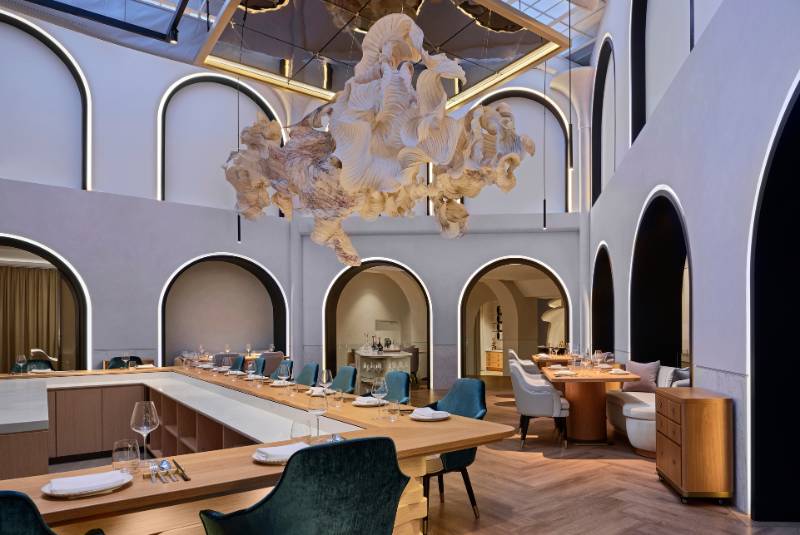
A scintillating showcase of Chinese and Asian flavours and exacting French technique, at Born, chef Zor Tan's multi-course tasting menu is based on the circle of life, celebrating nostalgia, growth and the passage of time. Each heartfelt course reflects one of nine core principles: Birth, Roots, Memories, Craft, Relationship, Vicissitudes, Time, Progress and Legacy. Expect courses such as Jerusalem artichoke with lily bulbs and caviar; representing Roots, this dish reflects Tan's dedication to wholesome ingredients and ancestral culinary traditions.
No.22 Logy
Taipei 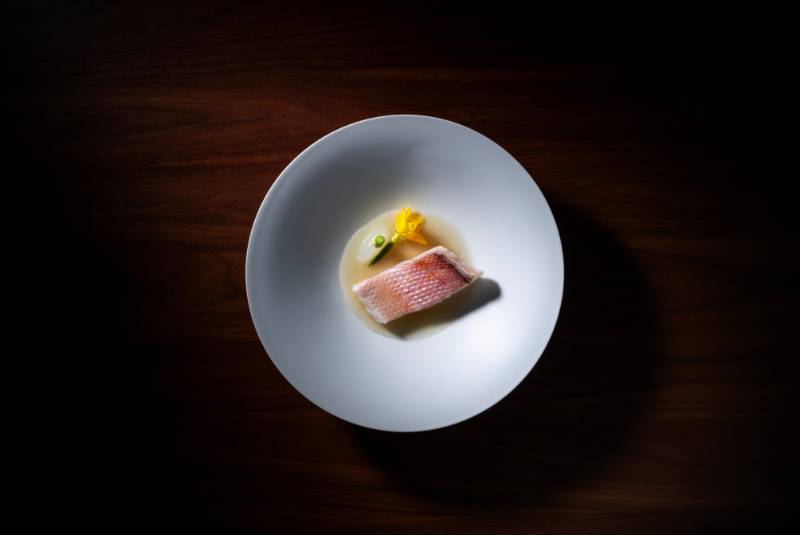
A cousin of Asia's 50 Best Restaurants mainstay Florilège, Logy celebrates local Taiwanese ingredients while remaining true to the roots of its Tokyo relative. Expect complex, refined dishes from chef Ryogo Tahara that represent all corners of the Asian continent, such as the deceptively simple course of yellowtail, daikon radish and bergamot or the mugwort mousse with pumpkin seeds, served inside a carved stone.
No.21 Sazenka
Tokyo 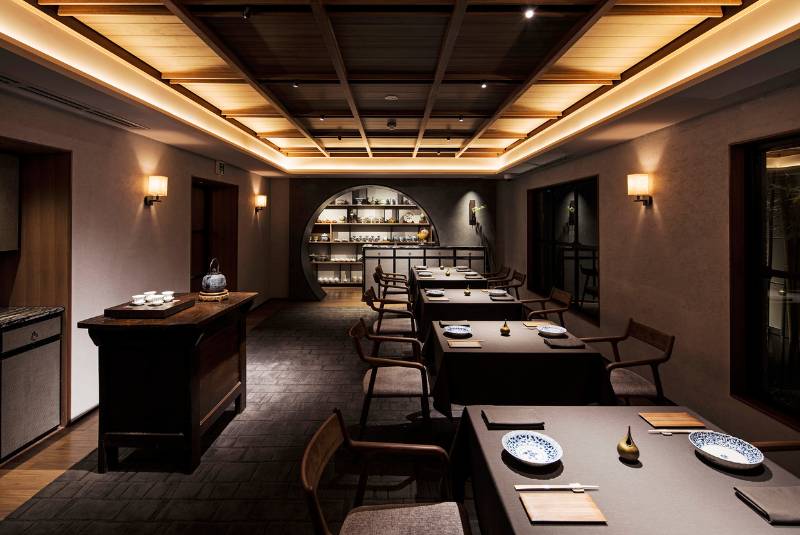
At Sazenka, chef Tomoya Kawada cooks Chinese cuisine infused with a Japanese sensibility, rooted in the two countries' shared history and adoration of tea drinking. His elegant restaurant, located inside a former diplomat's residence in Tokyo's upmarket Minami-Azabu district, has just 12 seats, plus two private rooms. The food is paired with an eclectic selection of drinks, either alcoholic (including wine, sake and Shaoxing wine) or the wide selection of the finest Chinese, Taiwanese and Japanese teas.
No.20 Seroja
Singapore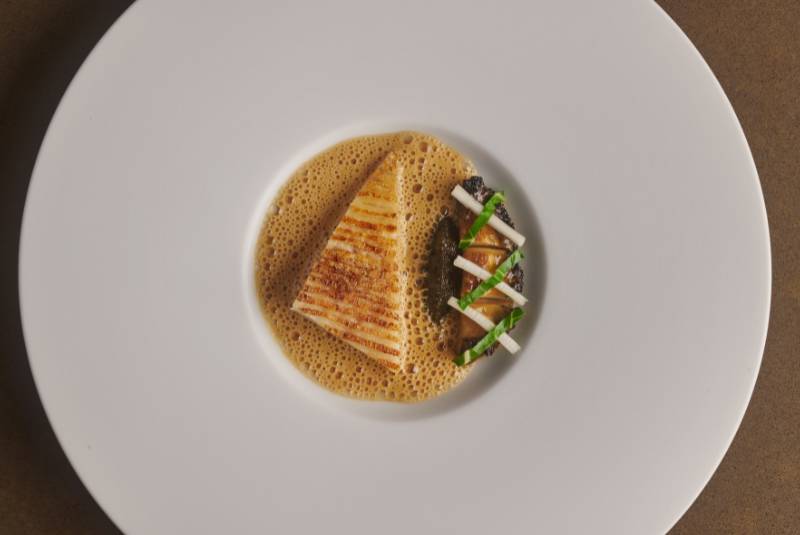
Chef Kevin Wong's multi-course Nusantara menu offers a selection of dishes featuring native spices and herbs, including the red seabream with sarawak white pepper gulai and lemongrass coconut broth. Chef Wong's signature is the mangrove wood-charred scallops with laksa leaf sauce paired with the in-house baked roti paung (Terengganu butter buns). Use the soft sweet buns to mop up the remaining sauce at the end. In keeping with sustainable actions (Seroja retains a Green Michelin star), all trimmings are re-imagined as elements in non-alcoholic beverages.
No.19 Odette
Singapore 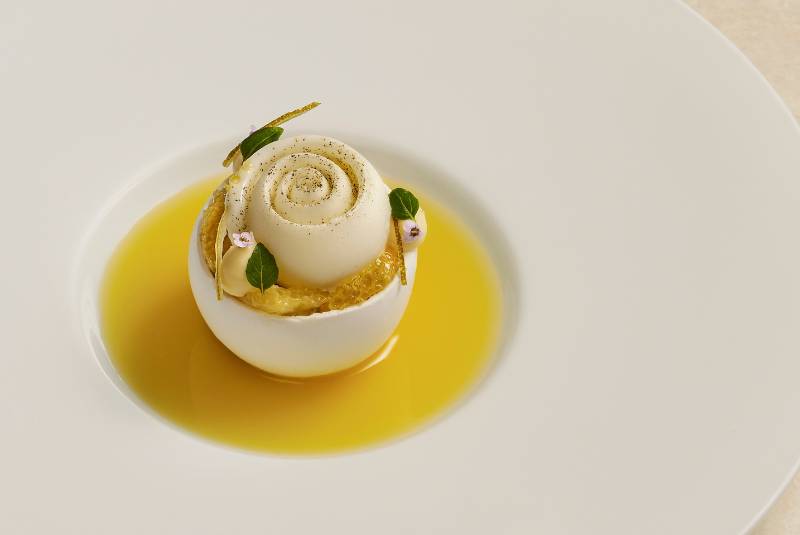
At first, stepping into Odette might feel like entering another exhibition at the National Gallery, where it's located. Fittingly, the restaurant features a hanging installation made with raw ingredients from chef Julien Royer's kitchen – a permanent piece of art by Dawn Ng named Theory of Everything. Coming from a family of farmers, Royer cares deeply about produce, sourcing ingredients from artisanal producers in Asia and Europe and treating them carefully to highlight their purest flavour.
No.18 Sühring
Bangkok 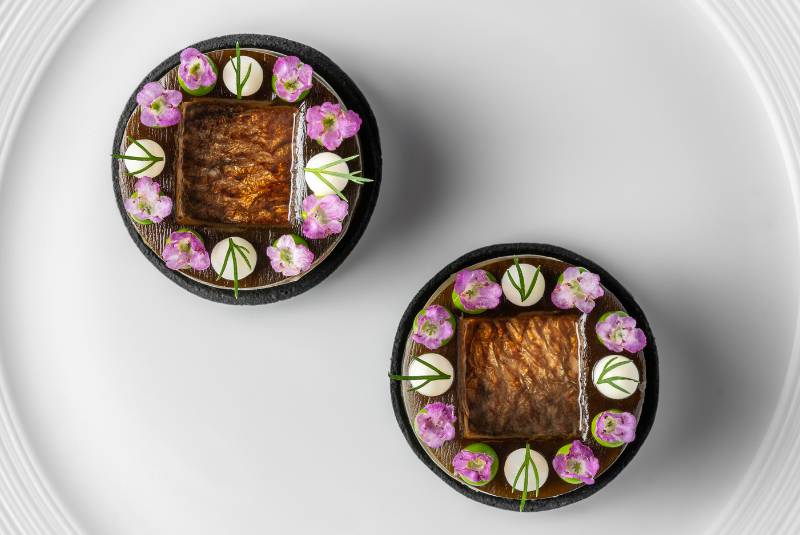
Helmed by twin brothers Mathias and Thomas Sühring, their eponymous restaurant melds flavours, techniques and experiences accumulated in their native Germany, as well as the Netherlands, Italy and Thailand, under one modish roof. The result is a sophisticated – and at times playful – seasonal haute cuisine menu with strong German identity. The space is a blissful and calming breath of fresh air in Thailand's energetic capital, with some tables overlooking the open kitchen while others enjoy the tropical landscape courtesy of the glass-ceilinged atrium.
No.17 Lamdre
Beijing 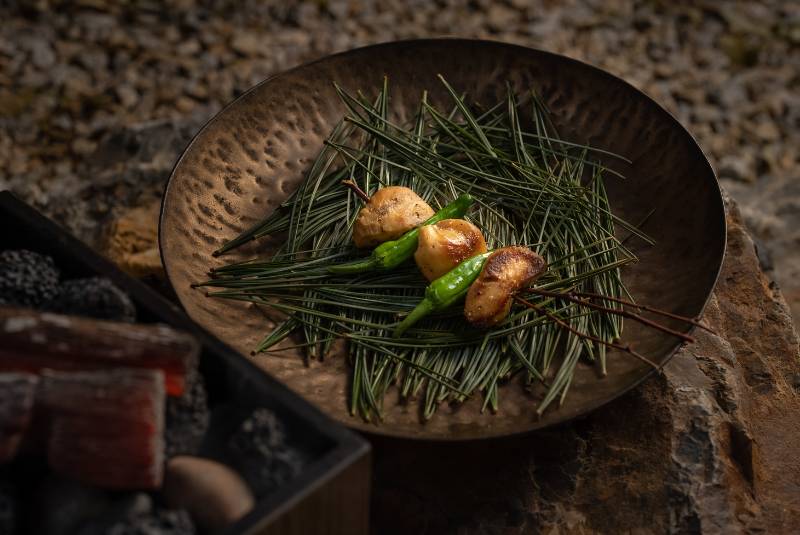
In Beijing's vibrant Sanlitun district, Lamdre is a pioneering plant-based restaurant owned by Zhao Jia and led by chef Dai Jun. The duo shares a vision that transcends mere vegetarianism, promoting a way of life that prioritises health, sustainability and a deep respect for nature. The menu changes with the seasons, showcasing the diversity of ingredients sourced from the rich soils and culinary traditions of the region. Sustainability is paramount, with the team spotlighting ingredients that are organic, natural and biodynamic, forging connections with local farmers and markets to ensure the freshest produce.
No.16 Sézanne
Tokyo 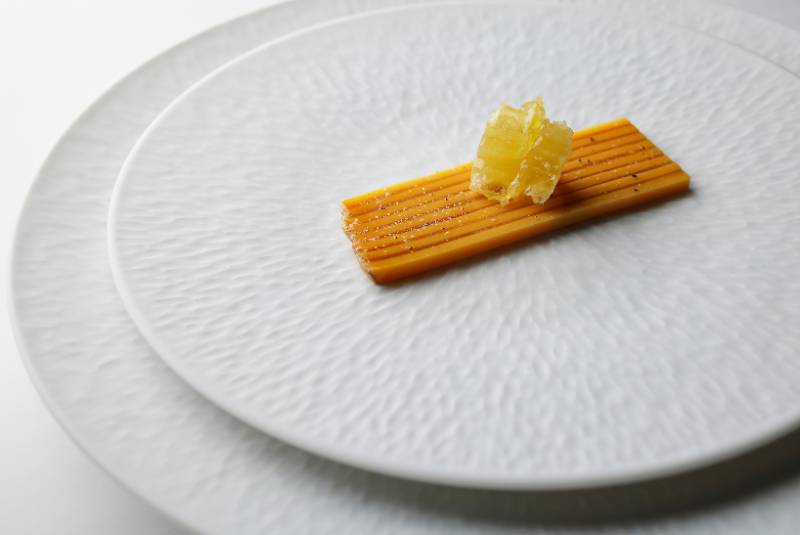
To dine at Sézanne is to experience the epitome of culinary sophistication. Opened in July 2021 on the seventh floor of the Four Seasons Hotel Tokyo at Marunouchi with British chef Daniel Calvert at the helm, it immediately wowed diners with its immersive neo-French style infused with meaningful tributes to Asia's rich culinary cultures. The 12-course tasting menu features the likes of bouillabaisse with saffron from the Saga Prefecture, and fugu from the Yamaguchi Prefecture cooked on the bone with fugu shirako (pufferfish milt) and roasted kegani sauce (horsehair crab).
No.15 Masque
Mumbai 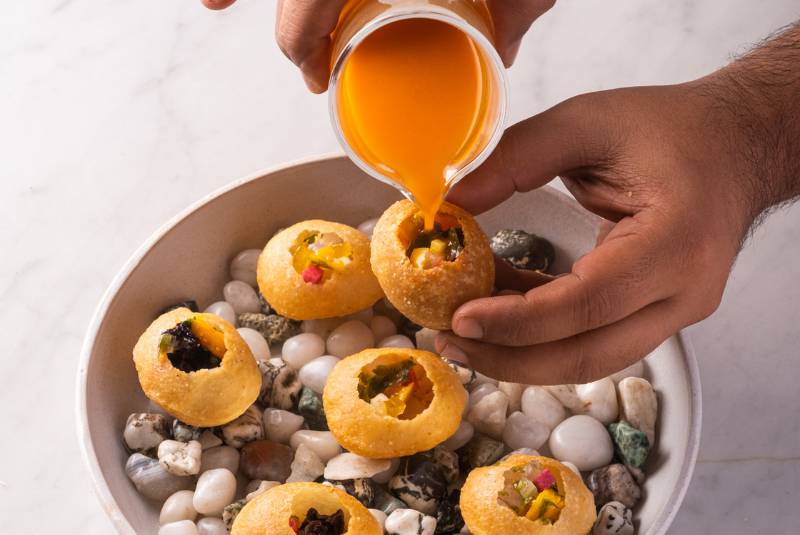
One of India's most forward-thinking restaurants, Masque's raison d'être is to show off the wealth of India's produce, extracting maximum flavour from local ingredients in a 10-course tasting menu served in a stylish former Mumbai textile mill. With vegetarian and non-vegetarian options, Masque's seasonal degustation takes in dishes such as prickly pear with nagphani (hawthorn) and coconut malai (coconut cream), sunchoke with ghassi (a type of curry) and smoked pork with Kashmiri chilli and poha (spiced flattened rice).
No.14 Onjium
Seoul 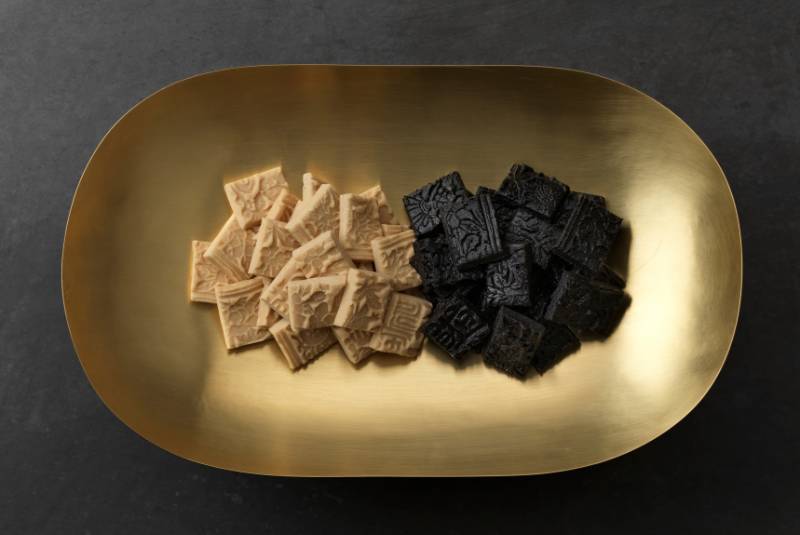
In Korean, onjium means 'creating in the right way'. Here, the fuel to create comes from researching centuries-old recipe books. The kitchen, led by chefs Cho Eun-hee and Park Sung-bae, uses seasonal ingredients in dishes crafted according to recipes that have been reimagined after years of research. Besides its restaurant, or culinary studio as it is called internally, Onjium also houses clothing and design studios, which are all part of its mission to understand the country's culture in a holistic manner.
No.13 La Cime
Osaka 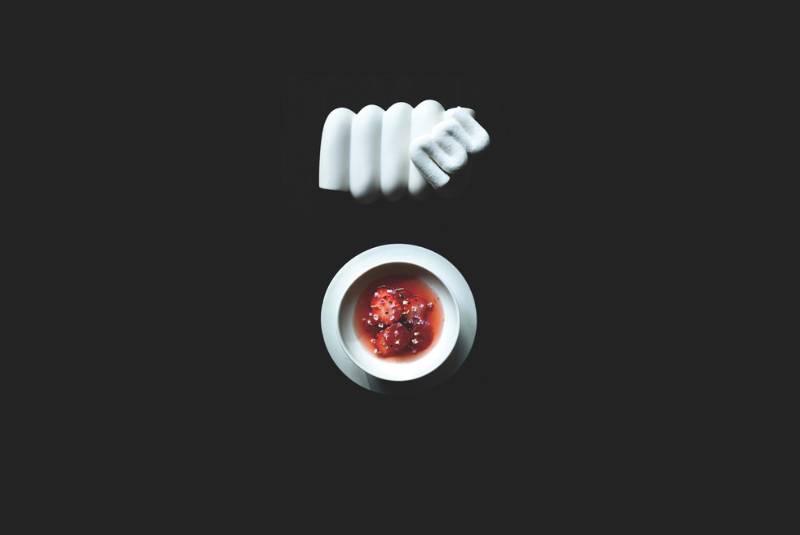
Located in central Osaka's business district, La Cime showcases the impeccable modern French cuisine of chef Yusuke Takada. Along with premium seafood and produce from western Japan, don't be surprised if you also find citrus and other produce that reflect his origins from subtropical Amami Oshima, a small island in the far south of the country. The signature dish, the Boudin Dog, a batter-fried morsel of boudin noir (blood sausage), coloured with edible bamboo and charcoal eaten in a single bite, cannot be missed.
No.12 Sorn
Bangkok 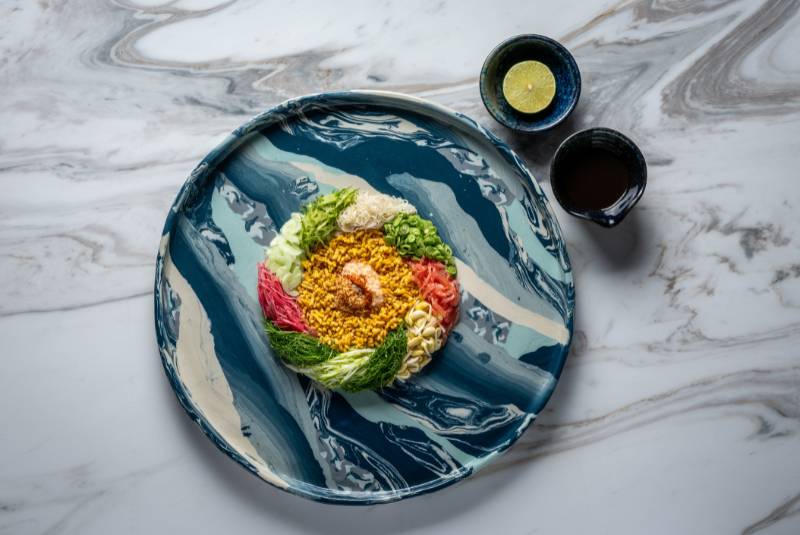
Sorn is allegedly the most difficult restaurant to book in Thailand and one of the reasons it's so sought after is its impeccable service. The front-of-house team is trained specifically to communicate the stories and memories that chef Supaksorn 'Ice' Jongsiri puts into every dish. Together with his own personal vision, Chef Ice transforms the flavours and memories of his encounters with diverse southern Thai cultures into a one-of-a-kind innovative cuisine. His thought process is mind-bending and his flavouring explosive, with no compromise on chilli heat and spice.
No.11 Fu He Hui
Shanghai 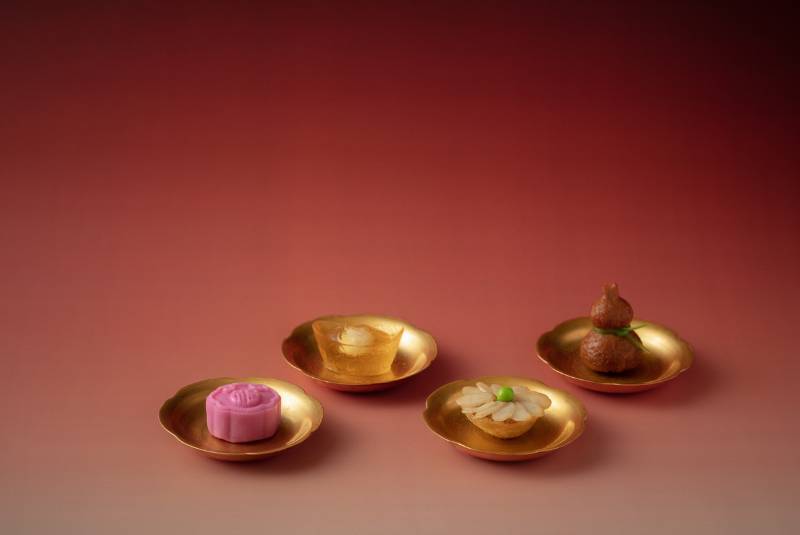
A crash course in the diversity of Chinese agriculture, this vegetarian oasis pays tribute to quality seasonal ingredients from across the country, serving meat-free creations by head chef Tony Lu. Working with regional farming communities to source produce – such as Yunnan aubergine, Guangdong daikon and Jiangxi bamboo – Chef Lu artistically presents each course employing time-honoured preparation methods dating back to the Ming and Qing dynasties. Expect the likes of tofu skin with cordyceps flower, black fungus, daylily buds, quinoa, spinach and Mongolian leek or pomelo peel with olive kernel.
No.10 Ru Yuan
Hangzhou 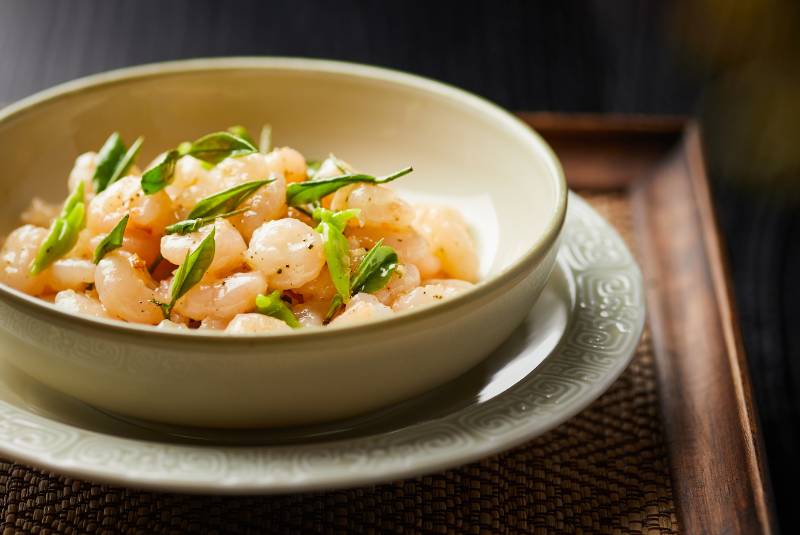
Noting that many of today's so-called southern Chinese classics have been simplified over the years, chef-owner Fu Yue Liang, a Hangzhou native who trained under the legendary Dong Shunxiang, is dedicated to reviving heritage recipes and techniques with patience and precision. Marrying tradition with creative flair, his menus at Ru Yuan celebrate the abundance of Zhejiang province, from Qiantang River fish to Longjing tea. Don't leave without trying the immaculately presented, pagoda-shaped braised pork belly.
No.9 Ling Long
Shanghai 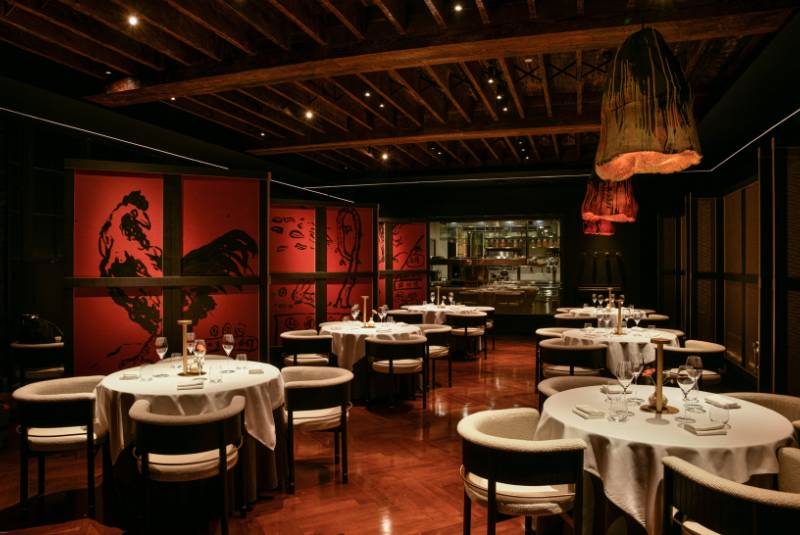
A cohesively designed experience that is at once nostalgic and ingenious, the menu at Ling Long weaves through inventive dishes such as ultra-crisp fried tung feng chicken, served with preserved vegetables, or the signature fish maw with parmesan, where the bouncy maw arrives in a complex broth, topped with a crisp and umami-rich cheese wafer. Meals finish with a showcase of Chinese honey through the Bees and Butterflies Playing in Spring course, made with a combination of fruity varietals and fermented sour honey from numerous local bee species.
No.8 Gaggan at Louis Vuitton
Bangkok 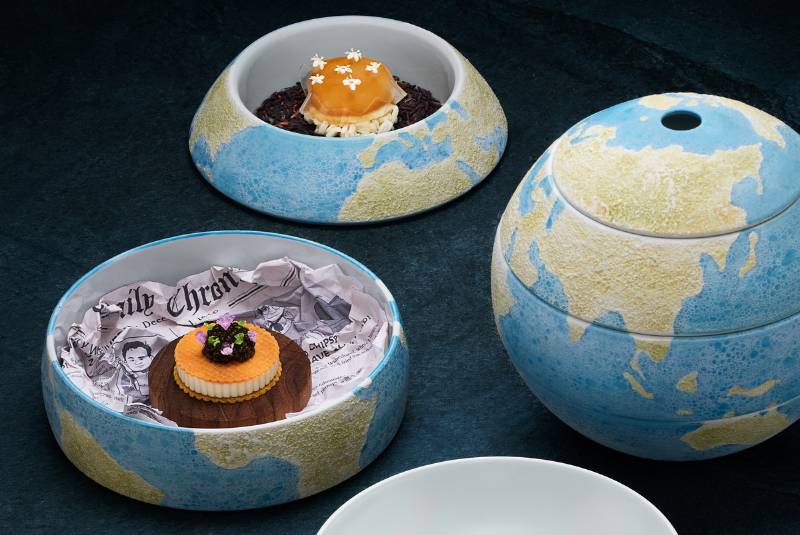
At the very first Louis Vuitton combined retail concept and restaurant in South Asia, set on the top level of LV The Place Bangkok, you'll discover essential Gaggan flair though iconic dishes like Lick it Up or the famous Yoghurt Explosion. The emphasis here is on progressive Asian flavours inspired by India, Thailand and Japan, highlighting the travel elements of LV. The team crafts seasonal menus that blend techniques and flavour profiles reminiscent of Gaggan's flagship chef's table restaurant with an additional French touch, LV motifs and lots of surprises.
No.7 Chef Tam's Seasons
Macau 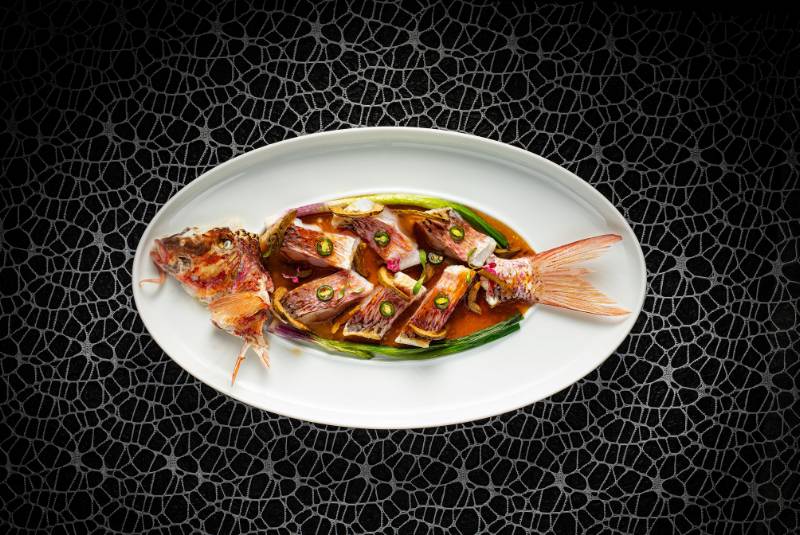
Inside the extravagant Wynn Palace complex, you'll find Chef Tam's Seasons (previously named Wing Lei Palace): the restaurant of the celebrated chef Tam Kwok Fung. With both a la carte and tasting menu offerings, Chef Tam's Seasons offers a wide selection of dishes, including signatures such as braised grouper fillet with sweet bean curd sticks, pork belly and garlic; wok-fried late flower Chinese cabbage with turnip and minced pork; and chilled strawberry and sago sweet soup with superior bird's nest and deep-fried walnut custard.
No.6 Meet the Bund
Shanghai 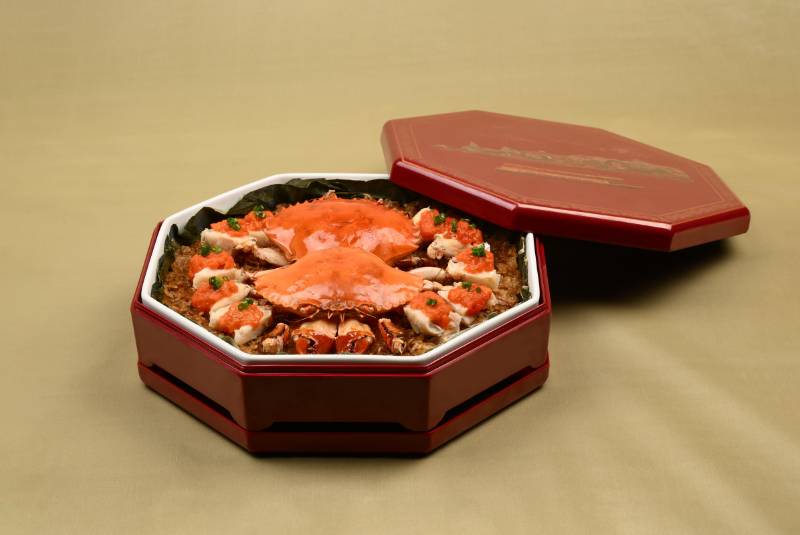
Meet the Bund showcases a modern interpretation of customary Fujian elements – be it anything from signature plates rooted in archetypal regional dishes to brick red decor representing the indigenous Minnan houses of southern Fujian juxtaposed against Shanghai's iconic skyline. The venue's signature dish – Buddha Jumps Over the Wall – embodies the restaurant's ethos, replacing the outdated use of shark's fin with a collagen-rich medley of fish maw and Australian sea cucumber to achieve the same coveted result: a soup as clear as tea yet as slickly viscous as the original.
No.5 Nusara
Bangkok 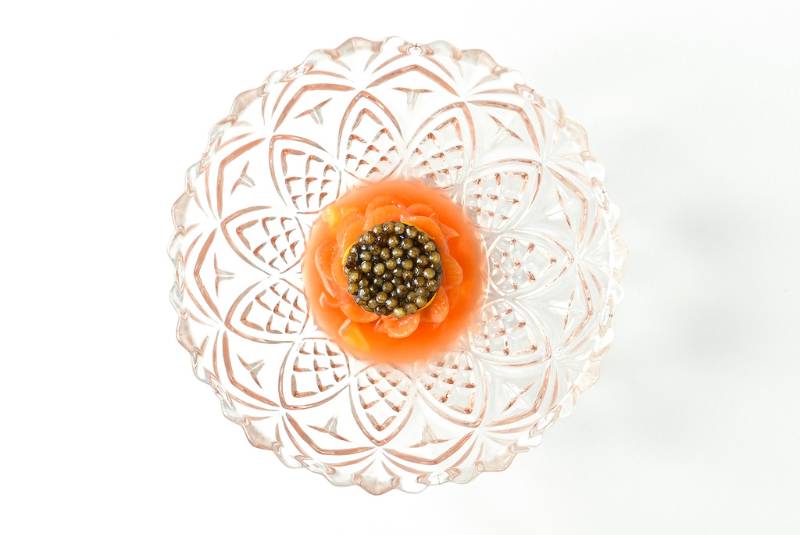
Thitid 'Ton' Tassanakajohn opened Nusara in 2020 alongside his brother, Chaisiri 'Tam' Tassanakajohn with the aim of honouring the memory of their beloved grandmother, whom the venue is also named after. The hyper-colourful blue swimming crab curry has become one of the restaurant's most recognisable plates, served with crispy rice noodles. The punchy, spicy starter is the perfect introduction to a meal that majors on classic Thai flavours reimagined with extra oomph, with the likes of yum tua plu (Thai winged bean salad) and river prawn and Panang curry and brisket.
No.4 Mingles
Seoul 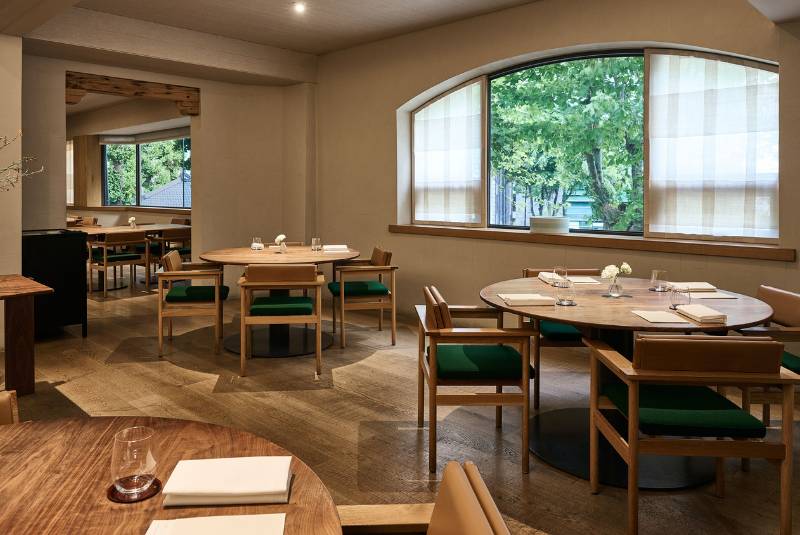
Chef Mingoo Kang and the Mingles team want to show 'a new way of Korean cuisine' that is driven by in-season local fish, meat and vegetables enlivened by traditional Korean fermented sauces and vinegars. At the start of the meal, guests are presented with an abundant display of produce to fully appreciate the diversity and freshness of the ingredients being used to create the 10-course tasting menu, with additional supplementary dishes and petit fours. Standouts include the signature 'mingling pot', which simmers napa cabbage, fish and beef tendon with pyogo mushroom, ginkgo nut, abalone and shrimp.
No.3 Gaggan
Bangkok 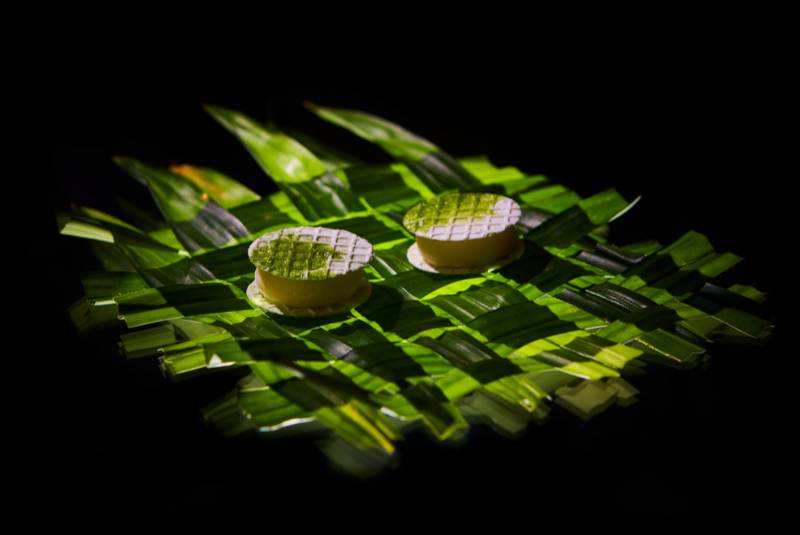
At rock-and-roll chef Gaggan Anand's eponymous restaurant, music, colours and creativity combine on a menu anchored in progressive Indian cuisine with a twist, with French, Thai and Japanese influences. From using emojis to represent each of the courses to pushing diners to eat with their hands or even lick the plate, Anand wants to disrupt and reinvent the fine dining experience. In short, this star-studded chef is on a mission to push boundaries, seeking to create "a culinary adventure of the senses and a roller coaster ride of emotions".
No.2 Wing
Hong Kong 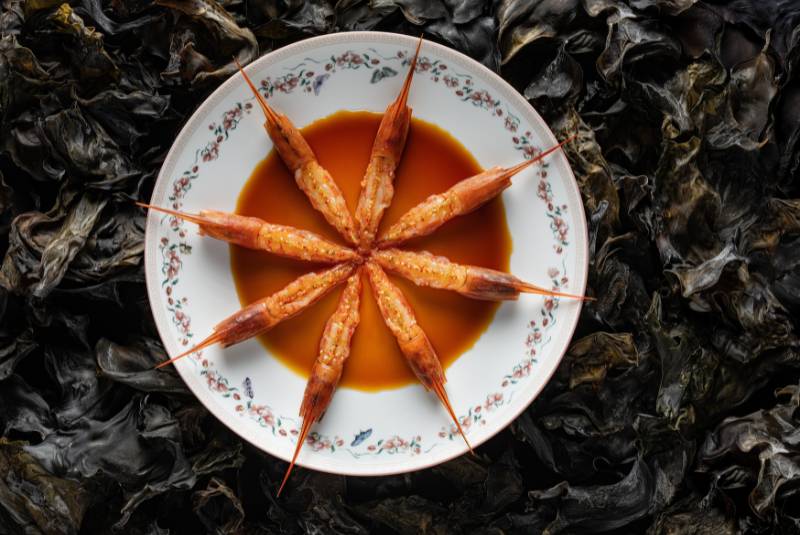
What grew out of an invite-only, midnight-supper test kitchen at chef-owner Vicky Cheng's debut Hong Kong venue, Vea, became his 'boundaryless' Chinese fine-dining establishment, Wing, located just one floor below. Wing's fare serves as an homage to the eight great Chinese cuisines, innovatively respecting tradition through a no-rules contemporary interpretation. Think smoked pigeon with sugarcane; house made golden crystal egg with chilli oyster; and a pork belly-like slab of braised abalone enveloped in a puffed spring roll.
No.1 The Chairman
Hong Kong 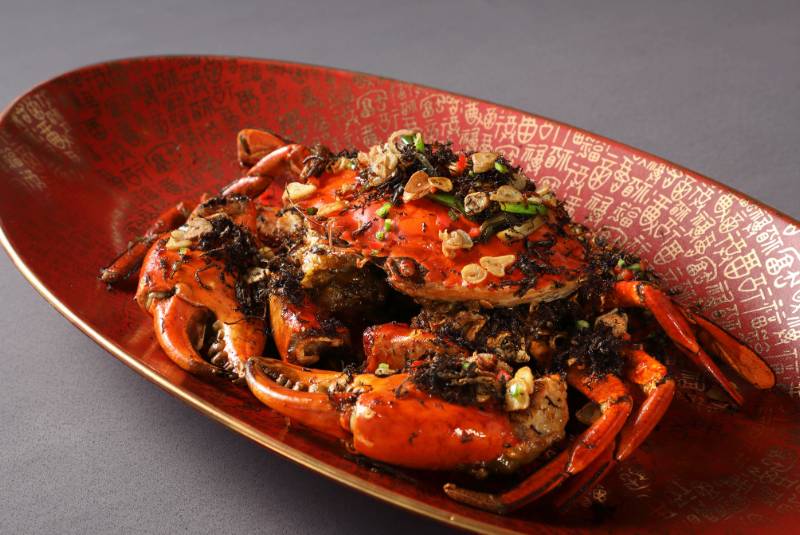
Chef-owner Danny Yip's quietly innovative rewriting of classic Cantonese cooking comes in the form of entirely new recipes that are built on the bedrock of China's culinary history. Steamed fresh flowery crab with aged Shaoxing wine, fragrant chicken oil and flat rice noodles is the most popular dish on the menu, along with lighter bites such as delicately pickled rose buds with lily bulb and crispy raw lotus roots, beef short ribs with Chinese cured liver sausages claypot rice and perfectly stir-fried seasonal vegetables zinging with XO sauce.
Discover more about the venues on the list of Asia's 50 Best Restaurants 2026, as well as all the special award winners.