High in the Swiss Alps, this 130-year-old castle stands out for its architecture. It also knows exactly what guests want.
Anyone who has been to St Moritz will recognise Badrutt's Palace. Its neo-gothic silhouette, complete with turrets and towers, has become a symbol of the resort town since opening in 1896.
Still family owned, the 163-room property is a playground for the well-heeled, with most guests arriving by private jet during the peak Christmas season. Keeping guests of this calibre happy and returning, many for generations, takes more than grandeur – the service must be equally extraordinary.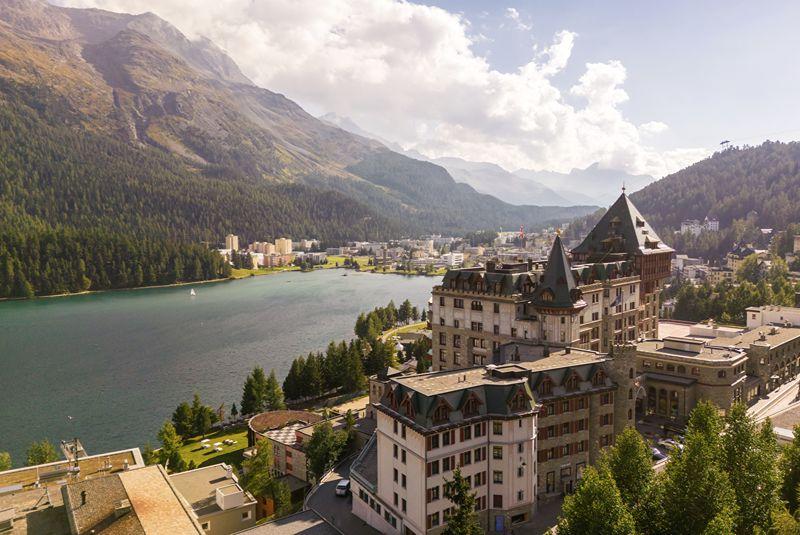
Badrutt's Palace is an unmissable landmark of St. Moritz
For the 700-strong team at the Palace, as it's known to regulars, that comes down to fundamentals – warmth, intuition, an eye for detail and the confidence to act, whether to enhance a stay or set things right should anything fall short.
As managing director Richard Leuenberger says, "We are here for the dreams of our guests. We try to understand what they imagined when they saw the Palace and aspire to deliver it."
Here are eight ways the winner of the SeiBellissimi Art of Hospitality Award 2026, as part of The World's 50 Best Hotels, makes this a reality.
The arrival is a ritual
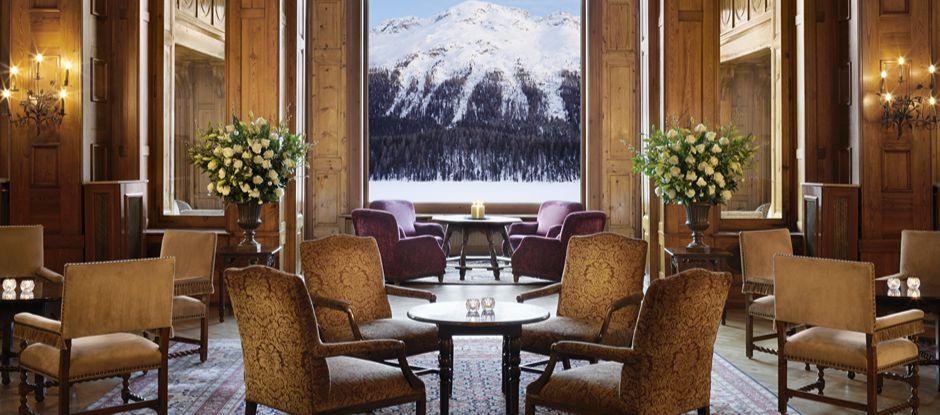
Being in the Alps, Palace staff have plenty of notice when someone is arriving. By the time guests pull up beneath its vaulted portico, the team is ready: doormen in immaculately tailored navy, red and gold livery, and usually a manager, concierge or butler to welcome them. First-timers are escorted into the majestic, wood-panelled grand hall, brimming with flowers, antiques and artwork, and introduced to Palace service – formal yet warm, gracious and generous. 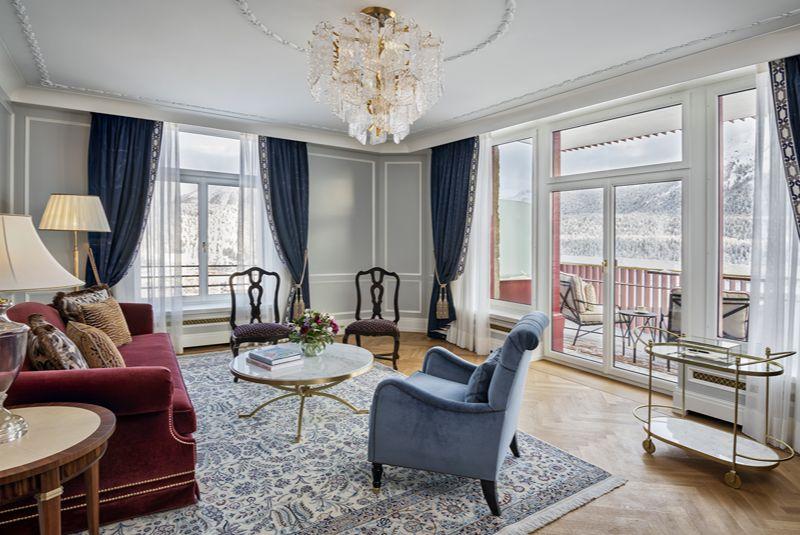
The St. Moritz Suite is one of the Palace's premier rooms
For some longstanding guests, rooms are photographed before departure and recreated on the next visit, and ski gear is collected at the end of each stay, cleaned, stored and returned to the room, ready for use.
Forget quiet luxury, this is social luxury
The Palace may be steeped in history, but stuffy it's not. Eleven restaurants, two bars and Switzerland's oldest nightclub mean the hotel hums from morning to late night. Its Christmas and New Year's Eve parties are the stuff of legend. 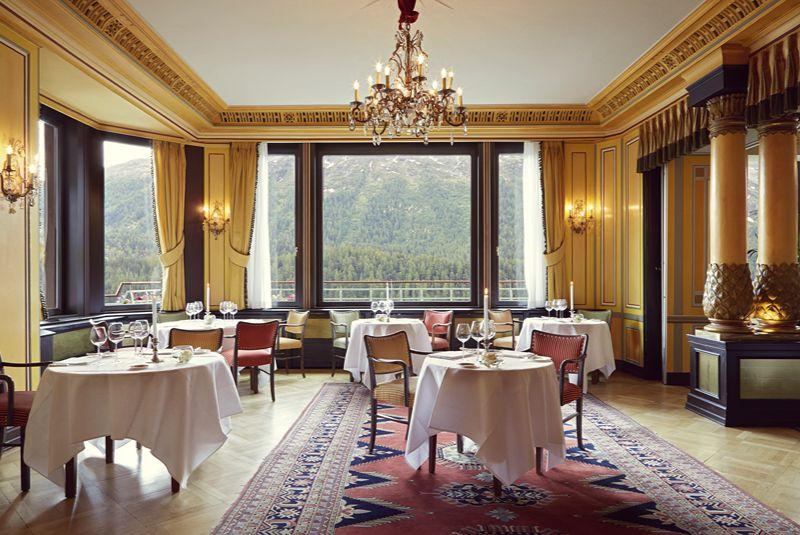
The hotel manages 11 restaurants across St. Moritz
Many guests own nearby chalets, but instead of staying in, head to the Palace to revel in its buzz. "Our grand hall is very social, but it's not a train station, it's a curated space. You can feel that the building is alive and full of energy," says Leuenberger.
Delivering dreams, not expectations
Much of the Palace's success comes from empowering staff to act autonomously. When a guest recovering from major surgery lamented to a waiter at breakfast that he wanted to visit the hotel's mountain restaurant, Paradiso, but wasn't fit enough, the waiter liaised with concierge to arrange a snowmobile to take him up for lunch. 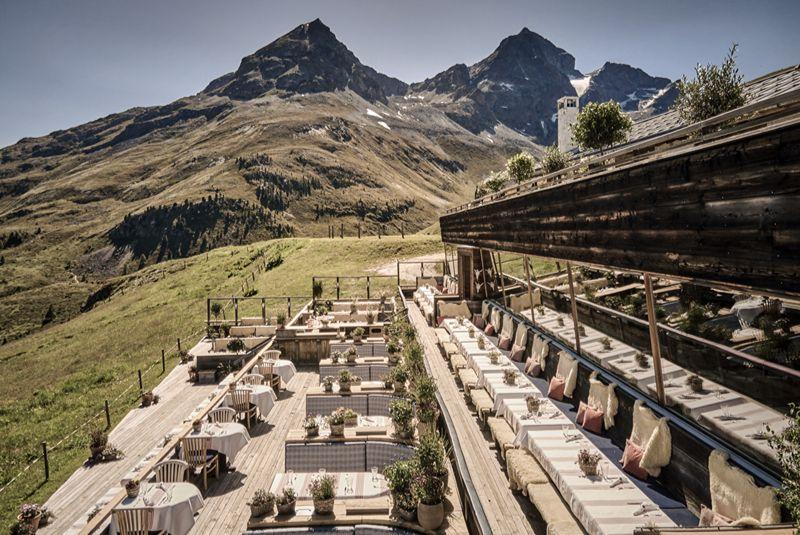
Paradiso restaurant sits in the mountains above the main hotel
Staff, Leuenberger says, are trusted to act. "If something is wrong, they just fix it. There's no pause to think, 'am I allowed to do this?' They know it's more important to fix it immediately."
The last to say no
When asked what distinguishes the Palace from its peers, Mr Badrutt once told Leuenberger, "We say no later than anyone else." With hundreds of staff and a universe of restaurants and bars, the hotel can do more, from catering for 200 people on the shores of Lake St Moritz to booking Corvatsch mountain for night skiing. One regular guest was unable to take part in the weekly Friday night sessions because he observed the Sabbath, so the hotel organised a private session with friends on Thursday.
Tunnelling forward
Winter brings what Leuenberger calls "extra friction" – snow, ice and slippery paths. To get to Chesa Veglia, a 17th-century former farmhouse housing four of the Palace's most popular restaurants, guests had to take a car if they wanted to arrive in style, or wear weather-appropriate shoes for the short-but-steep walk over. 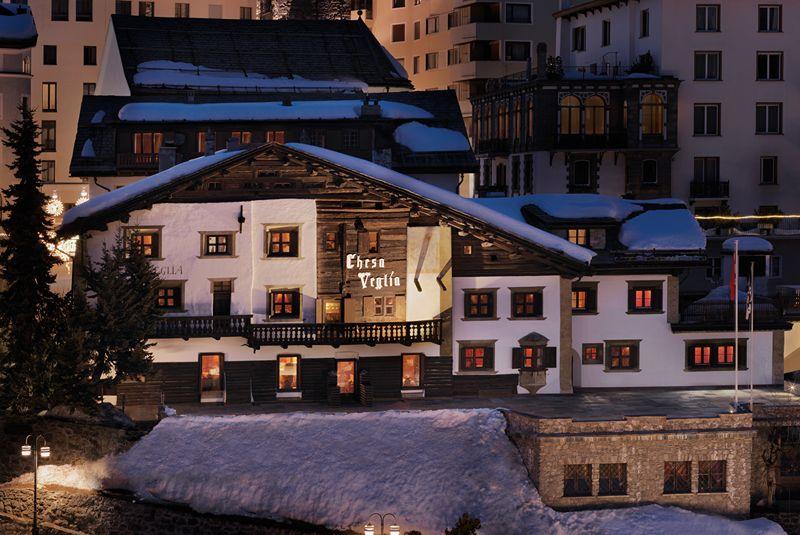
The hotel tunnelled under the town's main street to create a direct escalator to Chesa Veglia
Instead, the Palace built a tunnel in 2025 which runs beneath the town's main street, connecting the two via the second-longest escalator in Switzerland.
"On paper, it sounded like a terrible idea," admits Leuenberger. "But the tunnel has had more impact than almost anything else we've done." The tunnel has been so well received, Leuenberger jokes he could have skipped building the new Serlas Wing entirely, which opened at the same time.
Many flavours of ice cream
After 25 years at the Palace, executive pastry chef Stefan Gerber knows what brings joy to guests. Among them, making 26 flavours of ice cream and sorbet, "because one guest likes grape ice cream while another prefers chocolate sorbet," says Leuenberger about Gerber's creations. His confections brighten every room – chocolate pralines, almond clusters, chocolate-dipped orange candies, all magically replenished daily. 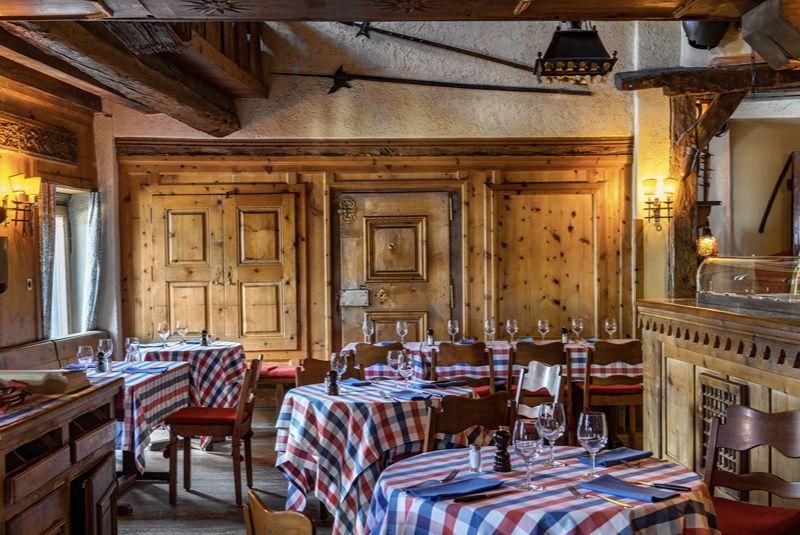
Hyper-personalisation is a key foundation of the hotel's hospitality
Knowing what guests want is intrinsic to Palace service. One regular guest always dines at Chesa Veglia and has chilli oil waiting on his table. While visiting the recently opened Matsuhisa restaurant, there was the chilli oil. No note had been passed – the team had simply paid attention.
The hottest club in town
Badrutt's Palace has long attracted multi-generational families. Many guests first visited as children and now return with children of their own. Catering for every demographic is an ongoing project. Last season, it unveiled a revamped kids' club and a dedicated space for teens, still a rarity among its peers. Called the Palace Arcade, it feels like a private club, with an unmarked door, smoke machine, neon lighting, arcade games and a screening room. It has been such a hit, adults keep trying to get in.
A depth of talent and experience
The average length of employment at the Palace is eight years, long for a seasonal property. Many have worked there for more than 20 years, including the pastry chef, Gerber. Resident manager Josef Vielhuber marks 20 years in 2026, with Regula Peter, director of human resources at 21 years and head concierge Giuseppe Pesenti, 27 years. 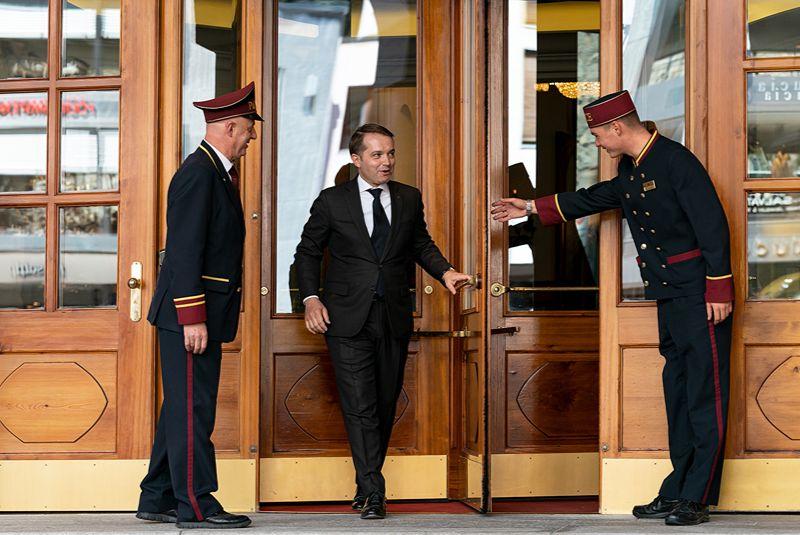
Many Badrutt's Palace staff stay with the hotel for decades
For a hotel where repeat guests make up 60 per cent of the total, this matters. "When you return to a place and already know someone, it transforms the experience – you feel you're back in your place," says Leuenberger, who first worked at the Palace in 2008 before returning as managing director in 2016 following postings in Hong Kong. At Badrutt's Palace, it seems, people tend to come back.
The list of The World's 50 Best Hotels 2026 will be revealed in Paris on Tuesday 15 September.