Tastings and experiences worth planning your trip around.
If Croatia's home to some extraordinary landscapes, that's very much reflected in its food. This is terroir you can taste, from the sparse, wind-scoured pastures of Pag, famed for its lamb and cheese, to the mossy forests of Istria, with their clusters of prized white truffles. Here, small producers listen to the rhythms of the land, menus shift with the seasons, and every region has specialties of its own. Set in some of the loveliest corners of the country, these food-focussed experiences all deserve a detour.
Hunt out truffles in Istria
Some of the finest truffles in the world can be found in the forests of Istria, the Adriatic-lapped peninsula in the north-west of Croatia. Its damp clay soils are perfect for black truffles, found year-round, and their prized, strictly seasonal white cousins. Join an autumn truffle-hunting expedition around hilltop Motovun, accompanied by snuffling hounds, or cut to the chase with lunch at a no-frills konoba (tavern), where first-rate truffles are casually shaved over pasta, omelettes and gnocchi.
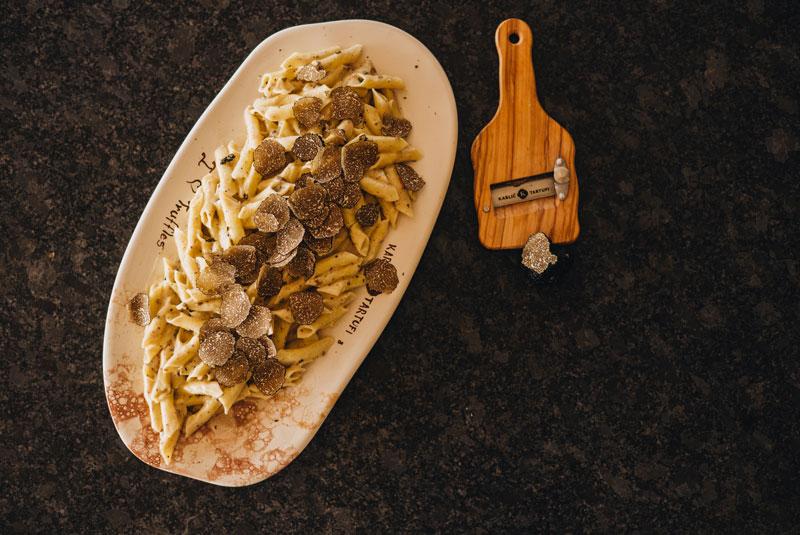
Truffle-dusted pasta at the Karlić family's kitchen
Where to head: In the village of Gradinje, stop for lunch at Konoba Dolina, a tavern famed for its truffled fuži pasta. Keen to find your own fungi? The truffle-obsessed Karlić family lead forays in the nearby woods.
Sample forest honey in Gorski Kotar
A 90-minute drive from Zagreb, the mountainous Gorski Kotar region feels like another world: a wild landscape of forests and peaks, where brown bears and wolves roam. The forest's long been a source of ingredients, from wild garlic to game, but perhaps most prized of all is its honey, Goranski medun – made not from nectar but honeydew, secreted by sap-feeding insects. The resulting honey is unique: mineral-rich and not overly sweet, with dark, resinous notes that evoke the depths of the forest.
Where to head: Browse farmer's markets in towns like Fužine or head to Vrbovsko, a showcase for local producers. To buy direct and see the hives, visit a local beekeeper like Damir Zanoškar.
Feast on Pag's world-famous cheese
Just off the Dalmatian coast, Pag is an island of sun-bleached stone, set against the sea and sky. It's become a place of pilgrimage for cheese-lovers, thanks to its signature sheep's cheese Paški sir, the winner of multiple awards. The milk comes from free-roaming native sheep, who graze on sage, fennel and wild thyme salted by the fierce Bura wind, lending the cheese its lick of salt and aromatic profile. Stock up while you're here: with limited grazing and a short milking season, demand outstrips supply.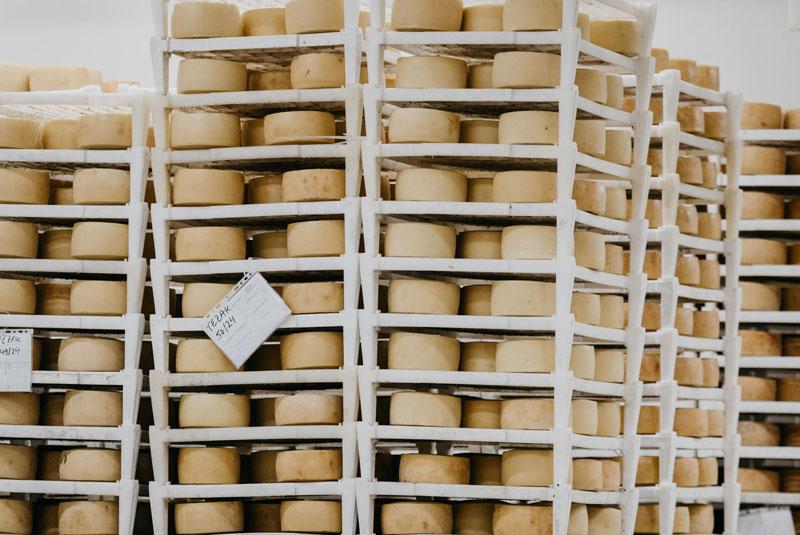
Cheese wheels at Pag's Gligora Dairy
Where to head: The award-winning Gligora Dairy offers tours and tastings. In spring, look out for Paška skuta on menus around the island: a creamy, ricotta-like cheese made from the leftover whey.
Eat Ston oysters straight from the sea
On the coast an hour north of Dubrovnik, Ston and Mali ('little') Ston are set on the narrow isthmus that leads to the Pelješac peninsula – worth a detour in itself, for its beaches and precipitous vineyards (for more on its wines, see below). Mali Ston, though, is known for oysters, raised in its bay since Roman times. As the river Neretva meets the Adriatic sea, it creates the perfect conditions for European flat oysters. Succulent and subtle, they're at their best straight from the sea, with an optional dash of lemon.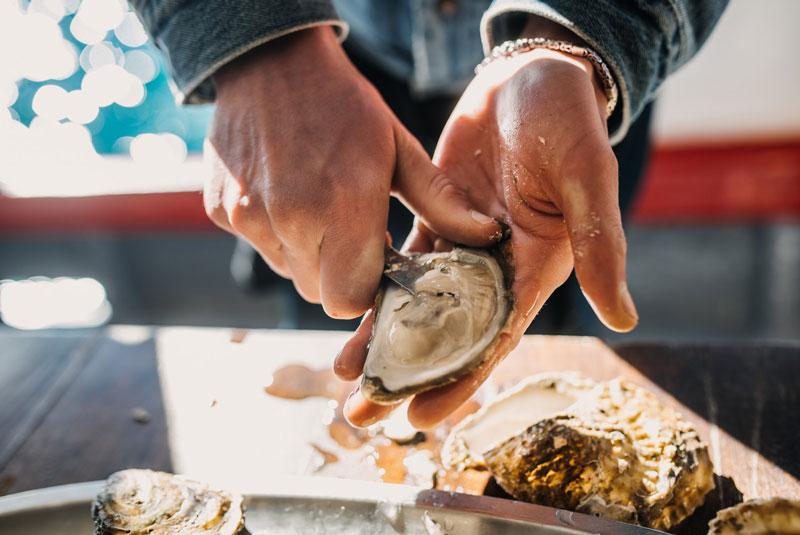
Fresh oysters at Mali Ston
Where to head: Take a boat out to the oyster beds with Bota Šare or Mali Ston Oysters. Local restaurant menus are big on bivalves (Kapetonova kuća is a standout), while March brings the annual oyster festival.
Cook štrukli like a local in Zagorje
There's a strong Austro-Hungarian influence here in the north of Croatia. It's there in the slow-simmered stews, fragrant with paprika, the comforting dumplings, tang of sour cream, and most of all the štrukli made from layers of paper-thin dough. Filled with a curd cheese mixture, it's boiled – becoming more dumpling-like – or baked with butter or cream. There are plenty of štrukli in Zagreb (Le Bistro Esplanade's is iconic) but it tastes even better in Zagorje, the fairytale-pretty hinterland just north of the city.
Where to head: The rustic Vuglec Breg serves impeccable štrukli: for more homespun results, sign up to make your own at the Kos family's farm in Brezova.
Find your new favourite wine on Pelješac
Drive onwards from Ston and its oysters, and you're in the Pelješac Peninsula, a lush green sliver of land, edged by the Adriatic. The vineyards clinging to its limestone hills are mostly tended by hand, basking in the intense sun and the light reflected back by the sea. They're conditions that suit the native Plavac Mali grape, used to make full-bodied reds: some of the finest come from Dingač and Postup, on the stony southern coast. Whites include citrussy Maraština and golden-yellow Pošip – a native Croatian grape, discovered on nearby Korčula.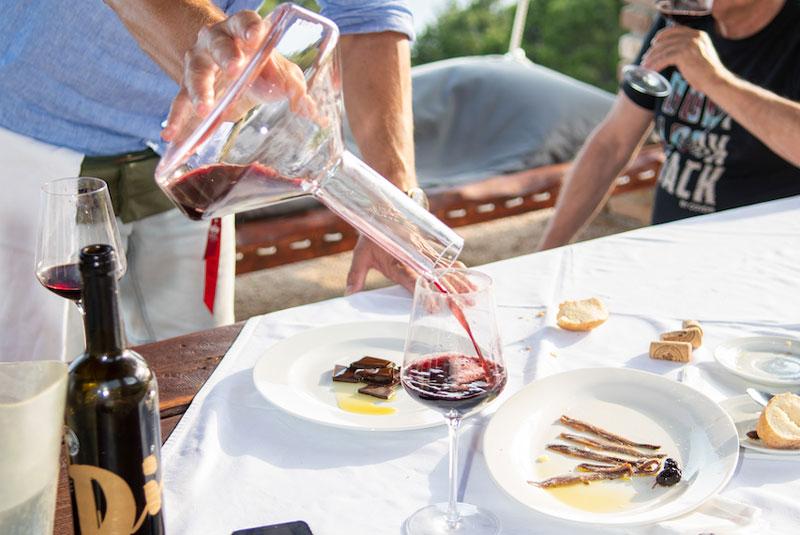
Vicelić winery in summer
Where to head: Frankly, you're spoilt for choice. Bura and Marlais' family-owned vineyards date back to the 19th century, while Boutique Winery Vicelić is causing quite a stir, thanks to its exceptional Dingač.
Try shepherd's stew in Slavonia
In the east of the country, bordered by Hungary and Serbia, Slavonia's a region of plains, rivers and vineyards. Life proceeds at a measured pace, and the best meals here take time, like the spicy Kulen sausage, beech-smoked and air-dried. Čobanac – shepherd's stew – is another local signature, cooked over an open fire. Made from pork and beef, sometimes with lamb or wild game, it's always liberally laced with garlic and paprika.
Where to head: In the city of Požega, Zlatni lug is known for its generous bowls of čobanac. Visit one of the region's many farmsteads get a feel for the traditional customs that are still part of everyday life.
Taste Dalmatia's green gold
Like Istria, Dalmatia's famous for its olive oils, although the terrain is different: here, trees grow more slowly on rocky terraces, sending roots deep into the soil. The result? Some exceptional olive oils, scented with fig and fresh herbs, andsofter and more aromatic than Istria's peppery oils. They're often produced on small, family-owned estates where the harvest's picked by hand, and tastings tend to be informal, culminating with a glass of wine.
Where to head: In the town of Vodice, Sv. Ivan offers tastings of oils made from native olives, while in Benkovac, Lepur is another standout, with guided tastings, tours of the mill and visits to its organically-grown olive groves.
Discover more fantastic bars, restaurants and hotels with 50 Best Discovery, and start planning your next adventure.