From precious maize-filled tamales and deeply complex recados to cuisine with Caribbean roots found on the country's Atlantic coastline, discover the ingredients and influences that make Guatemalan cuisine so special.
Guatemala's famously striking landscape includes towering volcanoes, lush rainforests, fertile highlands and tropical coastlines along both the Pacific and Atlantic Oceans. This unique terroir creates more than 30 microclimates, making Guatemala a centre of botanical diversity with a wealth of native crops including maize, beans, pumpkins, peppers and cacao.
Maize holds a particularly sacred place in Guatemalan gastronomy. The Popol Vuh, an ancient Mayan text discovered in Chichicastenango, Guatemala, recounts that the Maya people are the 'hombres de maíz' – men of corn. This revered story describes the creation of humans from maize dough, signifying the importance of this ubiquitous grain in Guatemalan heritage. Today, the Indigenous culture's legacy is widespread, with 35 Mayan languages still spoken across the country.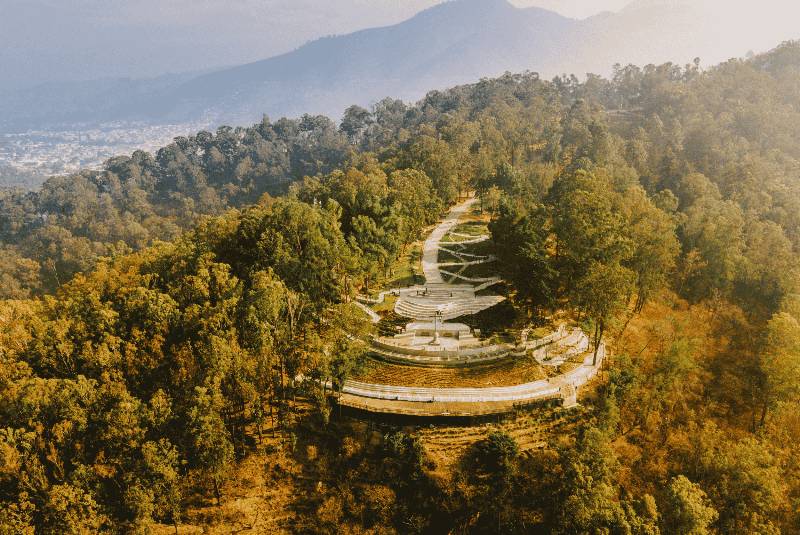
Guatemala's varied terrain creates a uniquely diverse food culture
Guatemala's culinary traditions are shaped by a mixture of these Indigenous Mayan roots and Spanish influences, as well as Afro-Caribbean inflections from the Garifuna people on the Atlantic coast, resulting in a vibrant, diverse food world. This mix of Latin culture and Guatemala's wide-ranging biodiversity come together to create a rich culinary landscape which, although similar to other Mesoamerican countries, is also unique.
While the typical ingredients that make up the country's cuisine are plentiful, there are six food staples celebrated above all else. Take a journey through Guatemalan gastronomy, showcasing a tiny, yet mighty, glimpse of what the country has to offer.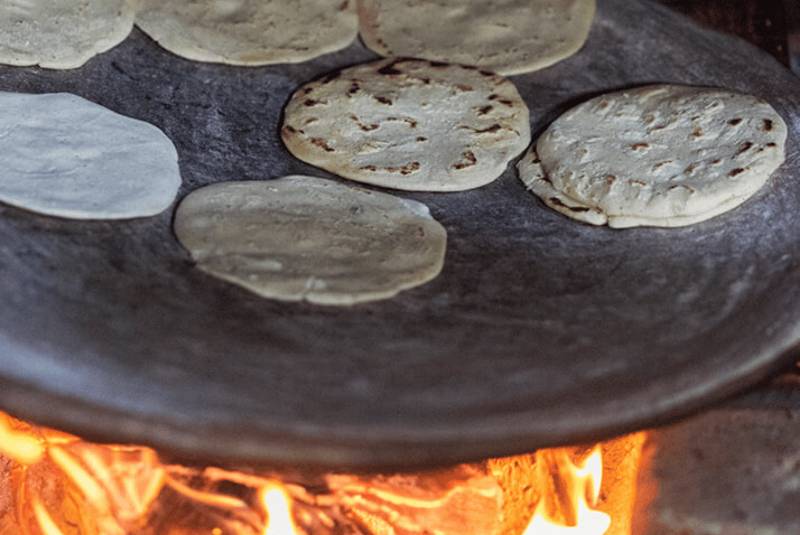
Tortillas are commonly cooked on a clay pan over an open fire
Tortillas
In Guatemala, the most common bread is a tortilla made from heirloom maize. Usually, the tortillas are handmade, with the sound of the clapping hands of a metal tortillera forming the soundtrack to daily life. Guatemala's tortillas are thicker than varieties you might find elsewhere in Latin America and carry the earthy flavour of the clay comals – a type of griddle pan – they are cooked on, giving them a smoky, charred edge that adds complexity. There are a wide array of toppings typically served with tortillas, including fresh herbs and roasted pumpkin seeds, different meats, cheeses, chorizo, chicharrón (pork rinds), guacamole, or simply with salt to share with guests as a snack while the main meal is being prepared.
Recados
Recados are the flavour foundations – usually in the form of complex pastes and sauces – that serve as building blocks for a wide array of dishes. The recipes for recados are rooted in indigenous techniques and ingredients such as toasted and mashed pumpkin seed paste. In the highlands of Guatemala, this paste often called chok'a or 'the mother of all pepianes' and is the base of the national dish of Guatemala – pepián. This hearty stew uses pumpkin seeds as the base along with native chillies. Spanish influence introduced ingredients to this dish including thyme, bay leaf, garlic, sesame seeds, cinnamon and vinegar, as well as meats like pork and chicken. Served with Russian potato salad and rice (the mestizo way) or with a white corn tamalito (the Indigenous way), it's one of Guatemala's most popular dishes.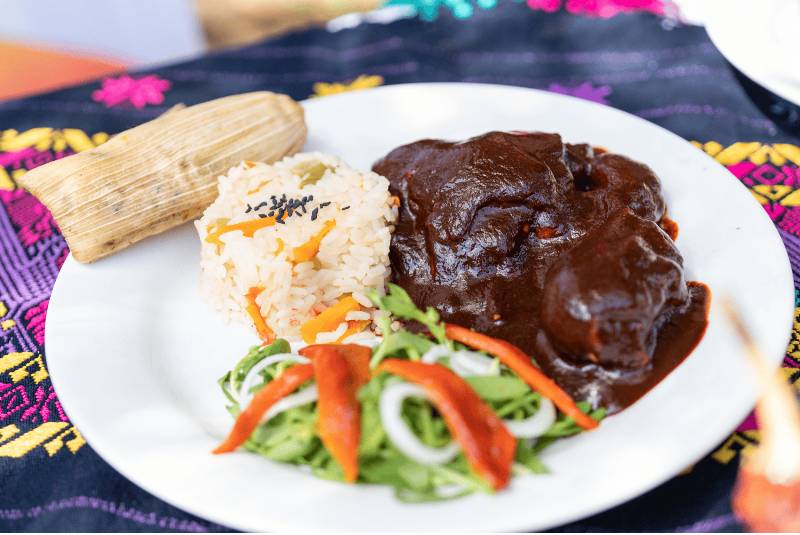
Each region in Guatemala has its own typical recado recipe
There are also green recados, red recados, smoked recados, and even a beautifully leaf-wrapped recado called subanik, which typically features three types of meat. Each region has its own recado recipe, so if you're travelling within Guatemala, asking which recado is typical of your destination is highly recommended.
Tamales
A traditional Mesoamerican dish made using a centuries-old indigenous technique of wrapping and cooking food in leaves, tamales are found in various forms across Guatemala. The act of wrapping maize dough and other fillings in plantain, maxán leaves or corn husks not only helps to preserve and enhance the flavour of the maize filling, but also makes them portable – perfect for eating on the go.
In Guatemala, tamales come in countless varieties, each with its own regional twist and story. Some, like the tamal colorado, are filled with maize dough, recado sauce, meats and olives. There are sweet versions, like the classic tamal negro, made with rich, cacao-infused recado. Others, such as chuchitos, are smaller, sturdier and served with red sauce and cheese on top. The lineup also includes paches, tamales made with a potato-based dough instead of corn, rice tamales and even some that aren't called tamales at all. This includes bachá from the Alta Verapaz region, a mixture of toasted pumpkin seed paste, Cobanero chilli, various native herbs and the protein of your choice, wrapped in leaves and cooked over ashes.
Criollo cuisine
In Antigua, Guatemala City and Xela, a city in the country's western highlands also known as Quetzaltenango, gastronomic travellers can enjoy dishes that are a direct expression of criollo heritage, as well as recipes originating from Spanish traditions that have been adapted to make use of local ingredients and Indigenous ways of eating. Prime examples of this type of cuisine include the chile relleno – a pepper stuffed with minced meat, served over a tortilla and topped with red sauce – and revolcado, a pig head stew popular in Antigua.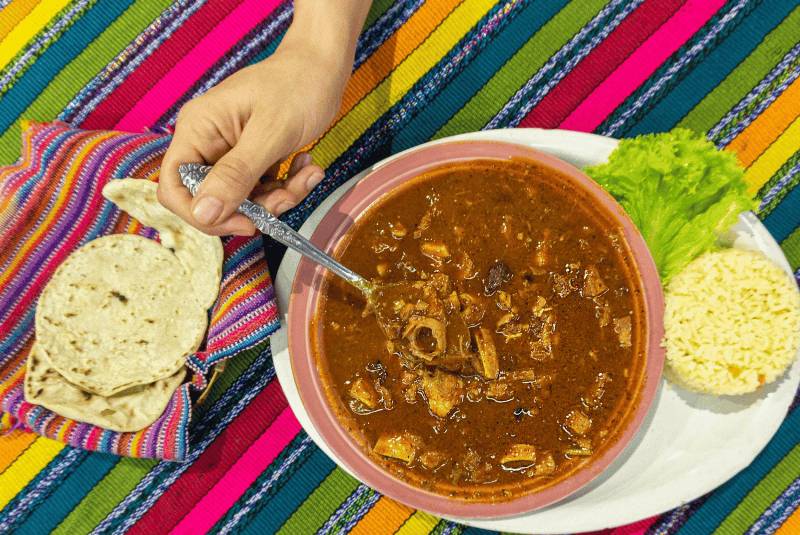
Revolcado is made with tomato, garlic, pepper and onion and traditonally served with corn tortillas
Criollo influences touch everything from street food, including enchiladas – tostadas topped with a pickled beetroot salad, minced meat and vegetables, boiled egg, red sauce and cheese – to chicharrones (pork rinds), carnitas, different beef and chicken broths and salpicón (a cold minced meat dish). Even fiambre, the traditional Guatemalan salad prepared for Dia de los Muertos is derived from a centuries-old Spanish recipe.
Desserts that form part of this culinary tradition include rellenitos – fried ripe plantains filled with black bean puree, topped with white sugar and cream – and the famous dulces típicos – traditional sweets sold in special stores that are still very popular in Antigua today.
Ahumados
In the Tecpán region lies an intriguing cuisine showcasing a unique fusion of Swiss-style smoked charcuterie, Italian-inspired cheesemaking techniques and highland Kaqchiquel and Quiché flavours. As a result, Tecpán and its ahumados delights is a gastronomic destination for both Guatemalans and international travellers alike.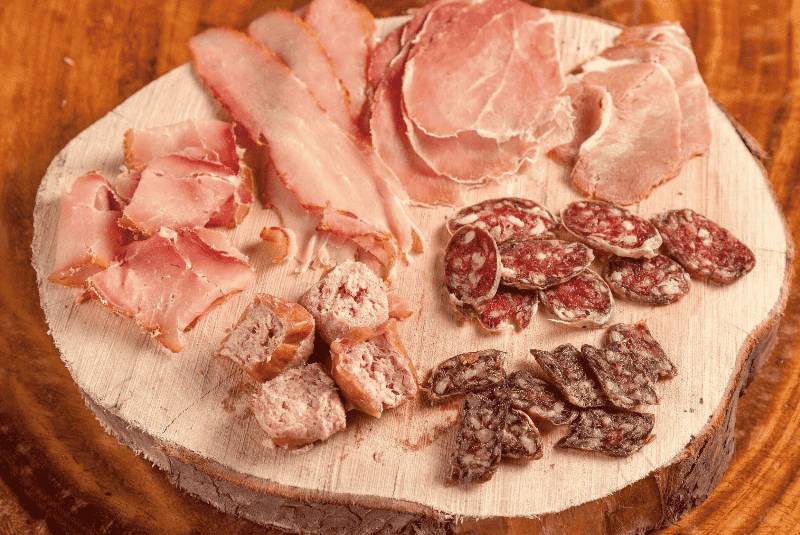
Ahumados translates to 'smoked', referring to the method used to preserve meats in the cool-climate Tecpán region
The area's highland tortillas are considered the country's finest – served with guacamole, Swiss-style smoked chorizo and chirmol, a Mayan-style tomato salsa. You'll also find cured meats, longanizas (sausages with native herbs) and the ever-popular tortilla con queso Chancol. This corn-and-cheese-based snack is made with tortillas and melted Chancol cheese – a type of Guatemalan artisanal cheese introduced to the country by an Italian migrant in the early 1900s – in the middle, topped with chirmol.
Garifuna cuisine
In a remote area of Guatemala's Atlantic coastline, the country's small but vibrant Garífuna community has its own unique contribution to Guatemalan food culture. The community's size belies the richness of its cuisine, which is a blend of Caribbean and Indigenous influences. Garífuna dishes, including tapado, a hearty seafood soup made with coconut milk, seafood and mashed plantains, are rich in flavour, history and culture.
Latin America's 50 Best Restaurants 2025 will be revealed on 2 December 2025 live from Antigua Guatemala.