For Kumiko, great hospitality means much more than stellar service.
In Japan, the term omotenashi translates as the selfless, intentional act of care for others, without the expectation of anything in return. Its roots come from tea ceremony culture, equating to what the Western world would simply call 'good hospitality'. But for Julia Momosé, whose bar Kumiko has won Michter's Art of Hospitality Award as part of North America's 50 Best Bars 2026, the translation barely scratches the surface.
"The idea of hospitality in Japan is something you absorb long before you have language for it," says Momosé. Omotenashi is expressed in the way people move through shared spaces, how they pay attention to small details and anticipate the needs of others, she adds. "It asks for attentiveness, humility and preparation. Much of it happens in ways that are subtle or even invisible." 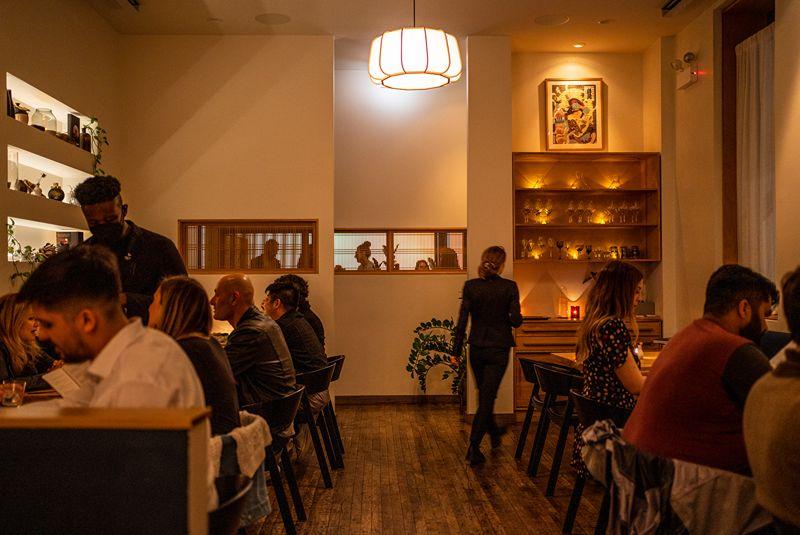
Service at Kumiko is grounded in the Japanese concept of omotenashi
Born in Nara, Momosé has omotenashi baked into her genes. She brought the philosophy with her when she moved to the US in 2007, and it underscores every aspect of Kumiko today. "[Omotenashi] shapes how I think about what it means to welcome someone, and the thought and attention that goes into creating an environment where people feel comfortable, respected and considered," she explains.
On any given night in the serene space – Momosé has called Kumiko a place that lingers between Japan and America, reflecting both parts of her lived experience – you'll find staff executing the pillars of good service with warmth and approachability. "These are the tangible and often measurable elements of the guest experience," Momosé explains, rattling off examples such as how the rhythm of service unfolds, how subtly and frequently water glasses are filled and how tables are reset. 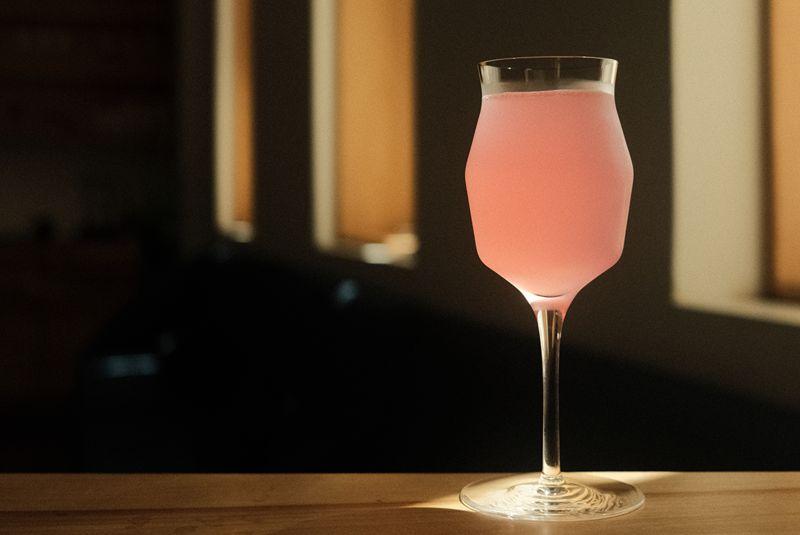
Kumiko ensures a range of spirit-free cocktails are always on the menu
There's a thoughtful collection of spirit-free cocktails to ensure everyone feels included, plus alternatives for anyone with specific diets or needs. "These details matter because they create comfort and trust."
From that framework, a deeper level of hospitality emerges. "Omotenashi is something quieter," Momosé says. "These moments are often subtle – noticing if someone seems cold and bringing them a shawl, sensing when a guest feels nervous and adjusting the tone of the interaction or remembering a small preference from a previous visit."
"The goal is not simply to perform hospitality, but to create an environment where these forms of care can exist naturally," she adds. From writing personalised greeting cards for guests celebrating special moments, to choosing a specific glass that might best fit the mood, every moment at Kumiko is personalised, she adds, because "the way we care for people should be as unique as the people themselves."
There is no staff manual for omotenashi, but Momosé says the team has taken on the approach to service instinctively. "Just as each of our guests is different and the way we show them hospitality is different, the same is true for our team," she says, explaining how staff are a multilingual and diverse mix – from artists and DJs and photographers to medical professionals, everyone has their own way of practising the art of omotenashi. "We know we are doing our work well when the room is in balance. We call this harmony. Harmony is the space in which hospitality can thrive, and it begins with us."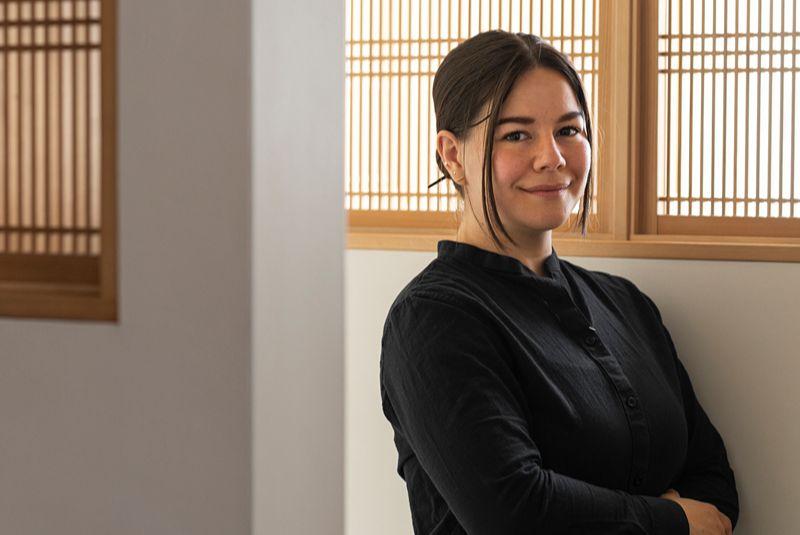
Julia Momosé has led a wide range of campaigns and community programmes outside of her bar
What makes service here even more special is the way Momosé and her staff extend their understanding of omotenashi to the community beyond.
In 2020, when the pandemic unexpectedly forced bars and restaurants to shut their doors, Momosé's first instinct was to find a way to keep the business afloat for the sake of her staff. Like many other bars around the US, cocktails to-go seemed like a natural first step, but when she found this wasn't legal in Illinois, she spearheaded a campaign to change the legislation. Her grassroots movement, Cocktails For Hope, eventually led to the passing of a bill allowing legal takeaway and delivery cocktails in the state.
"I was watching businesses around me close and seeing small operators shut down for trying to survive. The only thing I could think about was building a bridge so we could all get to the other side together," she recalls. "Hospitality is not only about caring for guests. It is also about caring for the people who make these spaces possible: the bartenders, servers, cooks and dishwashers who dedicate their lives to this work."
In the last year, Momosé has once again felt the calling to take care of her team and her community as ongoing deportation efforts in Chicago have detained citizens and non-citizens alike. These operations have posed an existential threat to the bar and restaurant community as enforcement efforts have forced many industry workers and guests to shelter in place, in some cases, creating drops in revenue so severe that news outlets have compared the financial impact to that of the pandemic-era.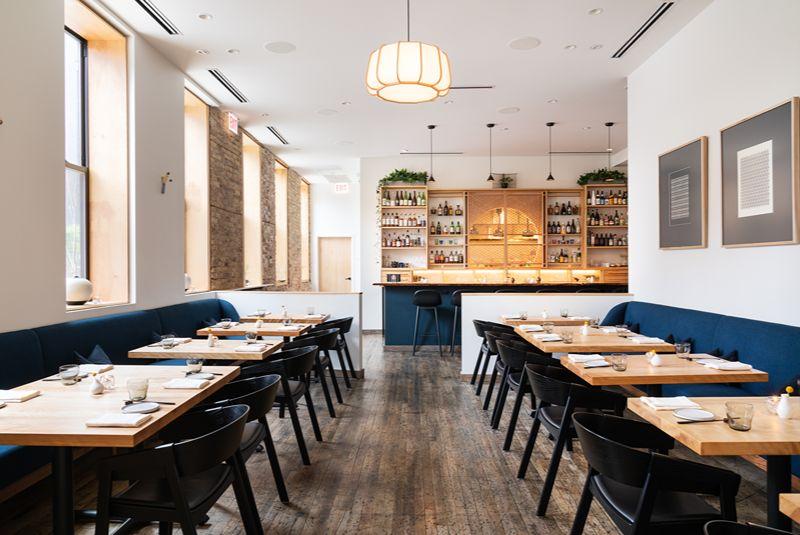
Kumiko aims to provide a designated safe space for all in Chicago
On top of developing protocols to ensure the safety and wellbeing of both staff and guests in challenging situations, Kumiko's staff have also been trained in de-escalation techniques. It has also supported local organisations that provide resources for immigrant communities. "The hospitality industry thrives because of immigrants and people from many different backgrounds whose cultures, labour and perspectives shape the spaces we create," says Momosé. "We don't clock in and out of being hospitable. Caring for the well-being of those communities is inseparable from our work."
As an immigrant business owner, Momosé knows there is a risk involved with speaking publicly on this issue, but her decision comes from her sense of responsibility and desire for her actions to align with her values. It is not an act of bravery or fearlessness, but a way to signal to everyone that Kumiko will continue to serve as a third space and safe haven for everyone who walks in.
"When people in the community feel fear or instability, it becomes very difficult to pretend the work exists separately from those realities," she explains. "If hospitality is about caring for people, then that feeling can not disappear when things get uncomfortable or complicated. At its core, hospitality is about recognising our shared humanity and choosing to care for it."
The term kumiko refers to a Japanese woodworking technique where hand-cut pieces of wood are intricately joined together to create symbolic patterns. Every piece looks nondescript in isolation, but when assembled carefully and with intention, the final panel tells a story that is bigger than the sum of its parts. By bringing care to the craft of cocktail making, building a team who lead with empathy and extending care into the community, Momosé shares the story of Japanese omotenashi and is recognised with the Michter's Art of Hospitality Award 2026.
The full list of North America's 50 Best Bars will be revealed on at a live awards ceremony on Wednesday 22 April in Vancouver.