From preserving Andean plant species to prioritising staff education, this Bogotá restaurant has serious eco-credentials.
The term 'sustainable restaurant' likely conjures up an image of a farm-to-table place surrounded by the very fields where its produce is grown. Oda – the ultra-polished restaurant located at the top of a tower block in central Bogotá – is proof that they come in all shapes and sizes.
Under the leadership of co-owners Maria Paula and Jaime Andres Giraldo and head chef Natalia Cocomá Hernández, Oda has become a regional frontrunner for sustainability and was named the winner of the Sustainable Restaurant Award, as part of Latin America's 50 Best Restaurants 2025, sponsored by S.Pellegrino & Acqua Panna.
Here are six reasons why Oda is a leader in its region.
Transparency is paramount
In 2025, Oda published its first sustainability report, offering in-depth explanations of its efforts. The team identified the three main principles guiding its practices: circular economy and resource management; a conscious supply chain; and community development and strategic alliances. 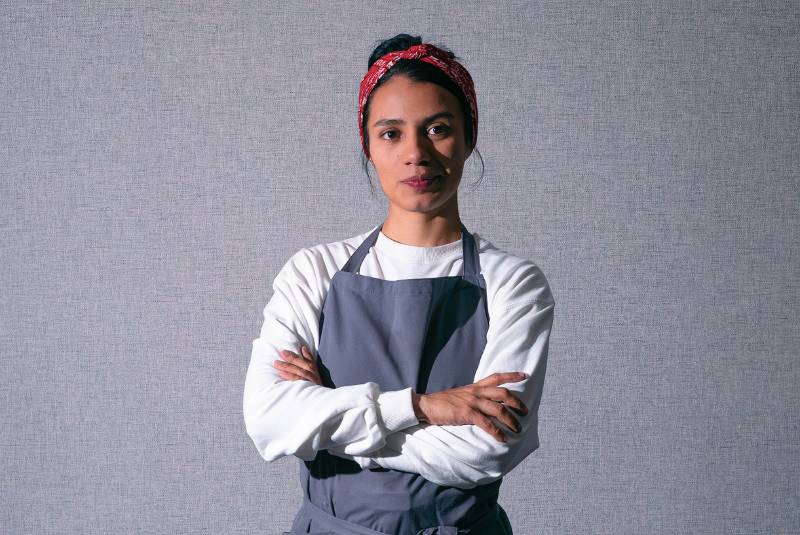
Head chef Natalia Cocomá Hernández takes a holistic approach to sustainability
Crucially, the report doesn't just celebrate Oda's achievements – it also points out areas for future improvement. This list includes better monitoring of the restaurant's carbon footprint, extending the reach of its strategic alliances and ensuring sustainability truly helps to inform everyday decisions.
The team partners with local experts to preserve ancestral plant species
In partnership with the Botanical Garden of Bogotá, Oda cultivates 10 ancestral species. This helps preserve knowledge of traditional agriculture, maintain biodiversity by creating routes for pollinators and allows Oda's menus to delve deeper into local Andean produce.
"When we present these ingredients to local diners, we hope they recognise these flavours as part of their identity, because we believe they are the ones who can become the strongest guardians of our native products," explains Maria Paula Giraldo. "And when we share them with foreign diners, Oda becomes a platform for the promotion of Colombia's biodiversity and gastronomic wealth."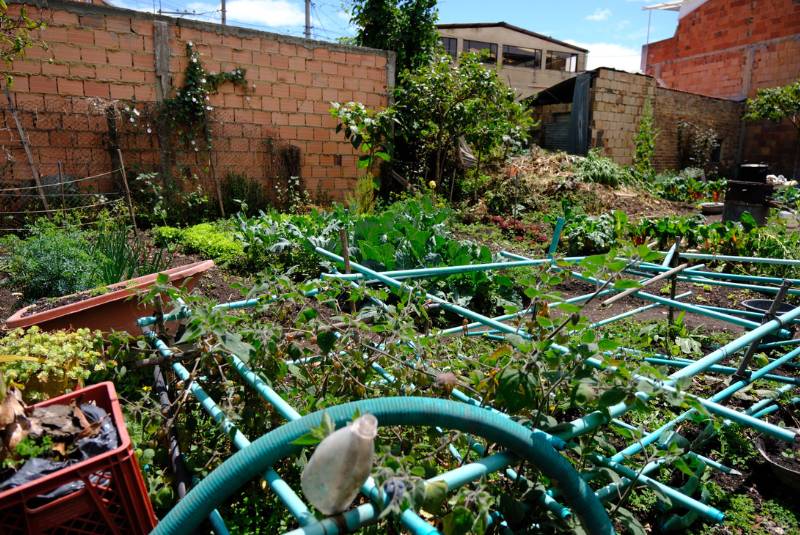
The development and support of urban gardens helps support local communities
Oda has also developed a network of urban gardens. These sites reclaim spaces which may otherwise go unused, while promoting food security, fostering connection between producers and consumers, boosting local employment, and providing education about the environment and food sovereignty. Furthermore, sourcing ingredients from these nearby gardens helps to significantly reduce food miles.
Staff education is more than an afterthought
To be truly sustainable, a restaurant must create an environment in which its staff can thrive. Oda invests in extensive training for its team members, with staff completing 30 hours of training in the first half of 2025 alone. This training covered technical kitchen and bar skills, leadership and soft skills, and was supported by a variety of partners, including Diageo and the Mariano Moreno Gastronomy Academy.
The restaurant leadership also fosters a positive environment where staff at all levels are encouraged to share thoughts. "This kind of workplace generates a profound sense of responsibility and a sense of trust among the team, two factors which play an important role in individual and collective growth," explains Cocomá Hernandez.
Suppliers undergo a thorough review process
In 2025, Oda implemented an in-depth supplier approval process, which thoroughly considers environmental, social and economic impact, with the ultimate aim of having more than 80 per cent of Oda suppliers meeting sustainability standards. This evaluation process includes a fact-finding visit and a comprehensive assessment covering opportunities for improvement.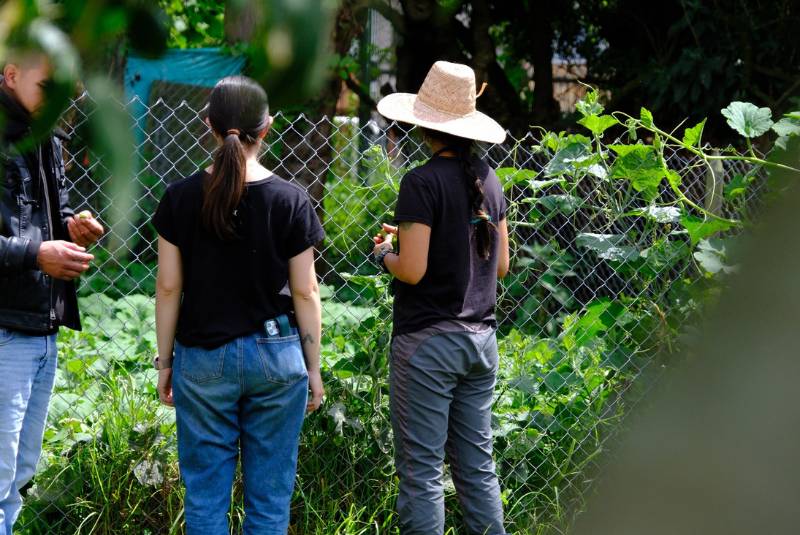
Site visits are a key part of Oda's supplier vetting process
In 2026, the restaurant is also launching a project called Sello Oda (Oda Stamp), which would give providers formal recognition for sustainable practices. "It's almost like a vote of confidence from our team," explains Maria Paula Giraldo.
Menus are designed to cut down waste
Bar staff draw inspiration from the herbs, fruit and edible plants grown in the urban gardens, using these ingredients to create cocktails and low or non-alcoholic beverages. Additionally, nearly 90 per cent of signature cocktails make full use of ingredients by repurposing trimmings and by-products from the kitchen into new preparations, garnishes or infusions.
The food menu is similarly impressive. Around 60 per cent of dishes use plant-based ingredients with animal proteins reduced across the menu, and all meat comes from regenerative or low-impact suppliers.
Recently, ocean fish have been entirely removed in favour of river or farmed, a switch that offers improved traceability. Chefs also make full use of the fish, incorporating heads, bones and skin.
The team keeps pushing
It would be easy for Oda to rest on its laurels when it comes to sustainability – but the team is only just getting started. In 2025, as part of a move towards a cleaner energy policy, including using renewable energy sources, reducing energy consumption and daily monitoring of energy use, the team installed solar panels, which should generate 450kWh per month.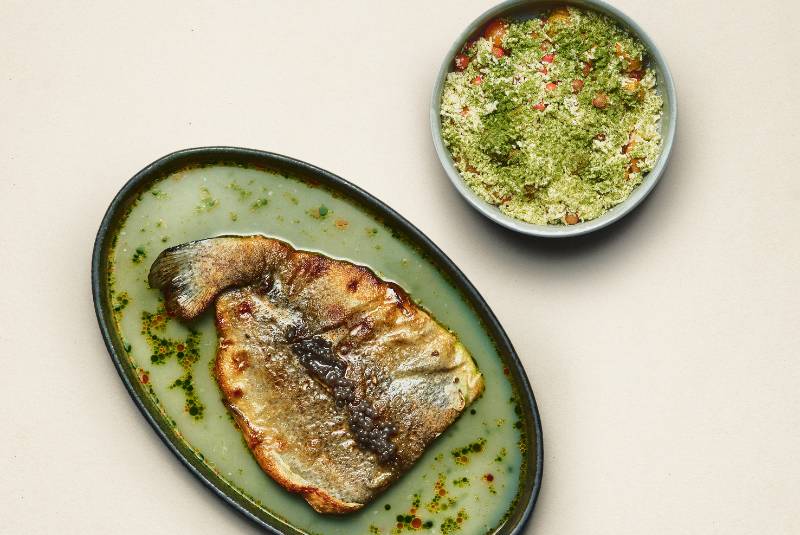
All meat and fish on Oda's menu comes from carefully selected suppliers
The trajectory is similarly positive in other areas too. More than 70 per cent of Oda's suppliers can be described as micro or small producers, a five per cent increase from the previous year. The careful selection and support of small-scale suppliers allows Oda to have a direct positive impact on the lives of more than 400 people, helping to combat poverty among farmers, urban gardeners and rural communities.
As Maria Paula Giraldo says: "For us, sustainability isn't a checklist – it's an active process. There's always something to be improved upon."
The Sustainable Restaurant Award is given to the restaurant in the region that achieves the highest environmental and social responsibility rating as determined by 50 Best's audit partner, The Sustainable Restaurant Association. All restaurants on the Latin America's 50 Best Restaurants list were invited to enter the award via self-nomination and each entry was assessed across three main pillars: sourcing, society and environment.
Discover the full list of Latin America's 50 Best Restaurants, sponsored by S.Pellegrino & Acqua Panna, along with the other special award winners