From the Sound of the Sea to Bacon and Egg Ice Cream, Heston Blumenthal's whimsical creations are nothing short of legendary.
In 2025, The Fat Duck is celebrating its 30-year anniversary. In the small English village of Bray, diners go down the rabbit hole to escape for a few hours into the playful, unpredictable and eccentric world of self-taught chef Heston Blumenthal.
Back in 2005 – after a decade of being at the forefront of molecular gastronomy and the science of cooking – his flagship was named The World's Best Restaurant (meaning it has since joined the Best of the Best hall of fame).
Over the years, memorable dishes have come and gone, evolved and, in some cases, been entirely reinvented. Here are 13 of the most iconic dishes from the history of one of the world's most influential restaurants.
Sound of the Sea – 2007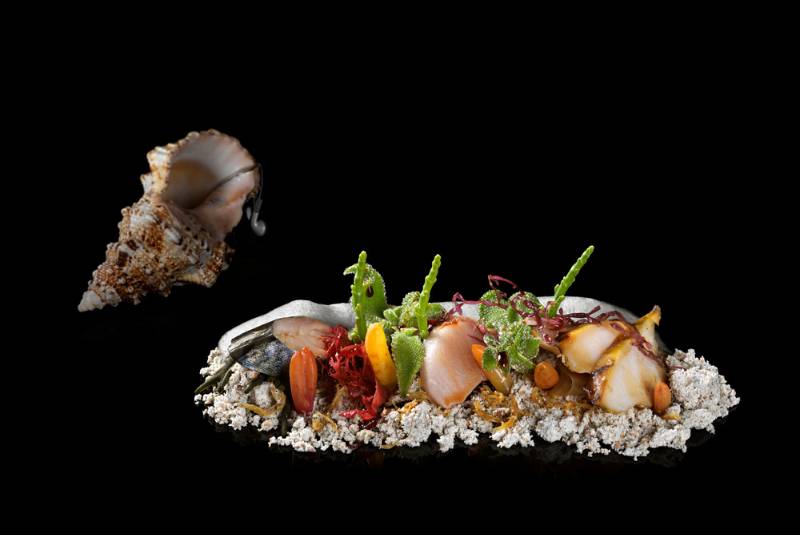
This is arguably the dish that encapsulates Blumenthal's approach to food and eating most perfectly. In its original form, diners were presented with a conch shell that hid an iPod inside. These days, it's over-the-ear wireless headphones. The dish comprises a wooden box filled with sand and topped with a glass lid. Sitting on the glass is a sea scene complete with sea foam, sand, shellfish and sashimi. As you eat, you hear chatter and laughter, waves crashing and seagulls squawking – evoking feelings of playing on the beach as a child.
Triple-cooked chips – 1993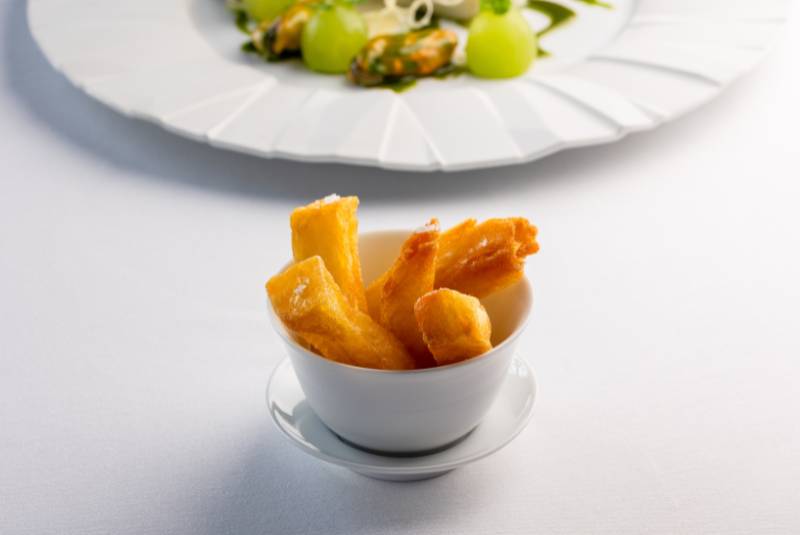
It's hard to remember a time before the triple-cooked chip, which graces the menus of gastropubs and restaurants all over the UK. But it was in fact developed by Blumenthal in 1993, two years before he opened The Fat Duck; he claims it was the first dish he ever created. In true Blumenthal style, he experimented with every possible factor, including the dry matter of multiple potato varieties, and the type and temperature of oil used, to get the perfect blend of impossibly crunchy exterior and a fabulously fluffy interior. The process involves involves cutting potatoes into 1.5cm chips, simmering until almost broken up, draining and placing on a rack to dry out, then popping into the fridge until cold, small-batch frying at 130°C until slightly coloured, draining and refrigerating again, before frying again at 190°C for eight-10 minutes.
Snail Porridge – 2003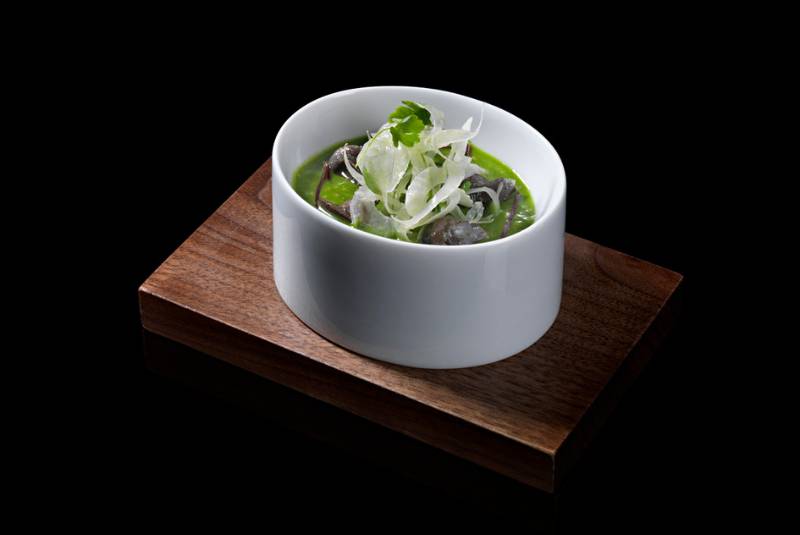
A dish inspired by a menu mistranslation of the Chinese dish congee, its biggest challenge was people's preconceptions. As Blumenthal explains, language plays a big role in our expectations around food. We naturally think of porridge as sweet, as it's frequently enjoyed for breakfast with honey and fruits. But oats are a grain, and they're not inherently sweet. Think of this dish more as a snail risotto, with oats instead of rice. Blumenthal's dish consists of garlic snails with a shockingly vibrant parsley porridge with Ibérico ham, shaved fennel and a walnut dressing.
Nitro-Poached Aperitif – 2001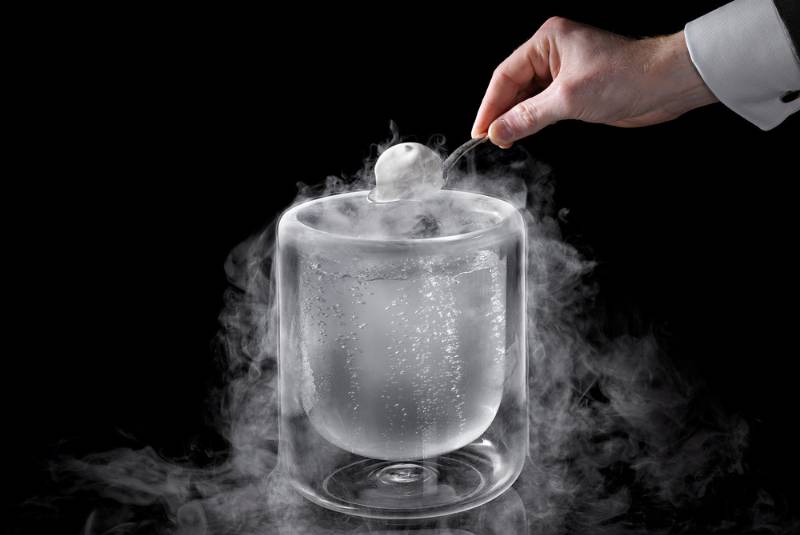
The Fat Duck was the first restaurant to serve a dish using -196°C liquid nitrogen. Theatrically served as a palate cleanser, the Nitro-Poached Aperitifs introduce diners to the menu in a very 'Blumenthal' way. The flavours change with the seasons, but the original Vodka Lime was the first, and is still available today. A pectin base is mixed with malic acid, vodka, egg white and pasteurised lime juice, before being dunked into liquid nitrogen and finished with matcha tea powder and a spritz of lime in the air. The result is a zingy and lighter-than-air bite which disappears in your mouth almost instantly.
Bacon and Egg Ice Cream – 2000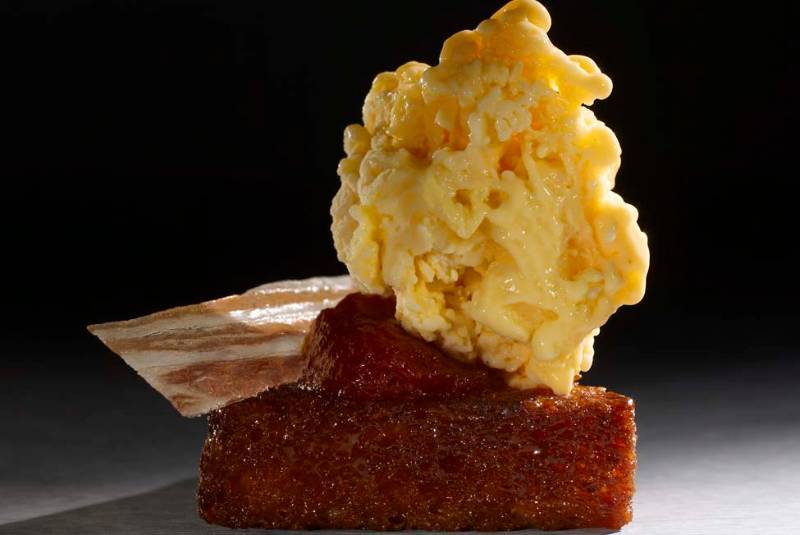
The nitro-scrambled egg and bacon ice cream was one of the defining restaurant dishes of the early 00s. To serve a cooked breakfast... frozen, crack one free range Fat Duck Egg into a pan (not like normal eggs), add a splash of liquid nitrogen, freeze-fry for 30 seconds and serve on a slice of caramelised brioche with tomato and coffee jam, and a slice of maple-cured bacon. Bacon and egg ice cream may have started as an April Fools' Day joke by an ice cream parlour in New York in the 1990s, but it went on to become one of Blumenthal's signatures.
Mock Turtle Soup – 2006/1892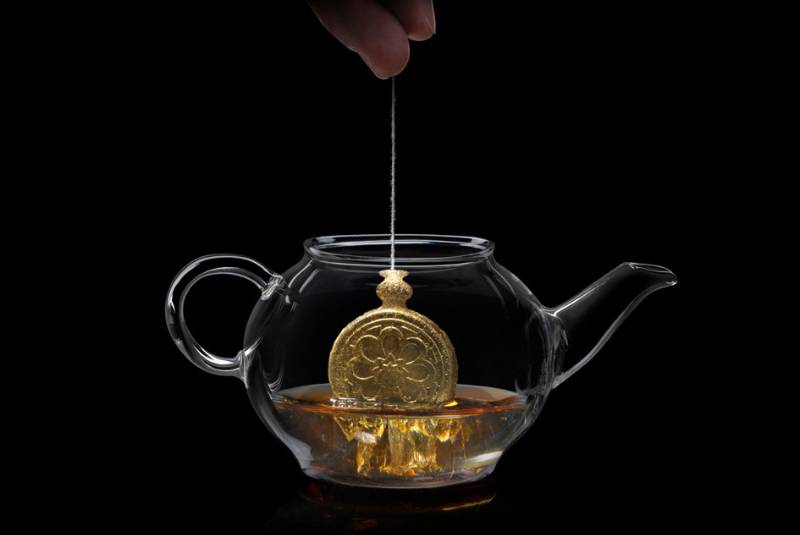
Victorians loved to eat turtle soup, but it fell out of favour for cost reasons and was replaced with mock turtle soup, made with calf's head and foot and root vegetables. Blumenthal explains that is why the Mock Turtle character in the illustrations of Alice's Adventures in Wonderland also had a calf's head and feet. The book served as a source of inspiration for the dish. As the Mad Hatter dunks his watch in the tea, The Fat Duck followed, creating a fob watch from stock which was freeze dried, reduced and concentrated by cold (ice-filtration technique, pioneered by Blumenthal), before being wrapped in gold leaf. The dish was served with a teapot: when diners poured hot water onto the 'watch', it dissolved into a crystal-clear consommé with gold leaf. This was served with a Mock Turtle egg – a turnip mousse with swede purée and enoki mushrooms.
Botrytis Cinerea – 2012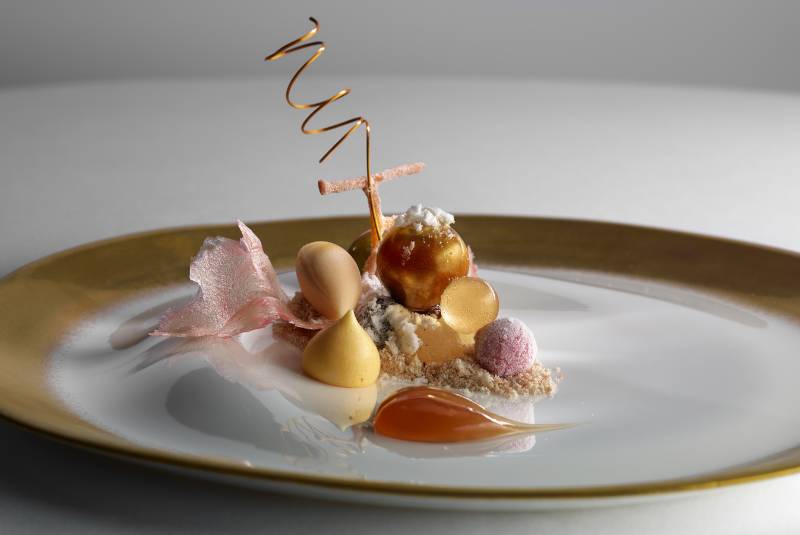
Famously one of the world's most complex desserts, Botrytis Cinerea is made up of 20 different elements and more than 50 stages of preparation. The dish is designed to mirror the flavour profile of wines from Château d'Yquem, the grapes of which have botrytis cinerea (noble rot). This is a type of fungus which shrivels and decays wine grapes, the result being a wine with intensified sweetness and heightened flavour complexity. Among the many elements on the plate, you'll find a roquefort cheese powder, pear balls infused with saffron, aerated saffron, peach wine gum, citrus sorbet, churros stalks, grape paste leaves and a grape sugar bubble and spiral.
Breakfast in a Bowl – 2015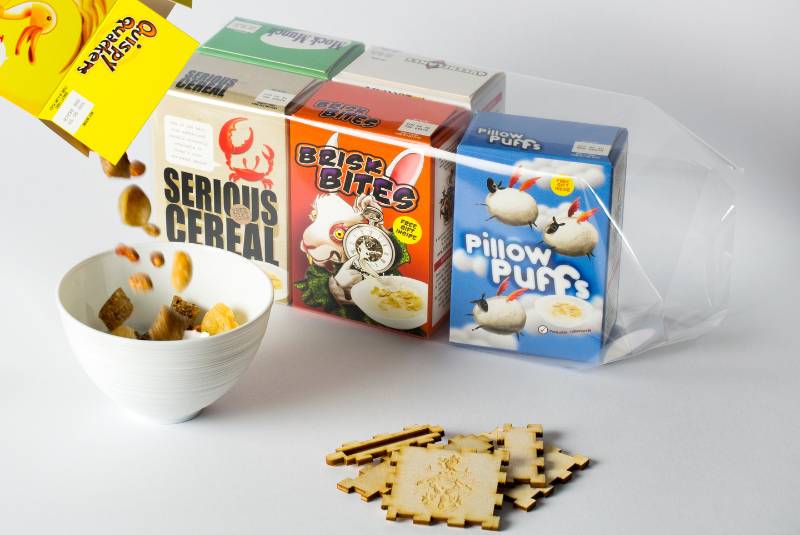
The light above the table glows a warm yellow. The sun is coming up and it's time for breakfast. A variety pack of 'cereal' arrives at the table along with a bowl of 'milk'. The ingredients on the box state: 'Adventure, discovery, playfulness, curiosity, memories of childhood and some flavours.' Vitamins and minerals for health? 'Yes, there's some of those as well.' Each side of the box – including the bottom – has whimsical details, but you'd be forgiven for missing them as you take out the bag and pour the crispy treats into the bowl. The diner is expecting sweet, but this is The Fat Duck, so nothing is what it seems. All the flavours of a full English breakfast – sausages, bacon, tomato, mushrooms – come in crunchy form to enjoy mixed together with layered scrambled egg custard, roasted tomato jelly and bacon cream.
Counting Sheep – 2015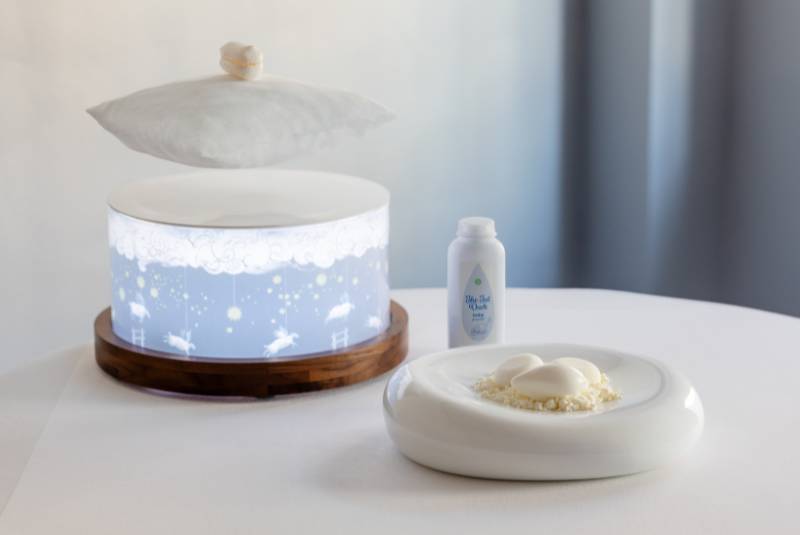
Towards the end of the dining experience, it's time to wind down. Diners don their Blumenthal eye masks and wait patiently for the sounds of a twinkly lullaby. On the table is a floating pillow, and on the pillow are small, malt meringues filled with double milk ice cream. The main dessert hides 12 sleepy flavours and textures, including coconut ice cream, sponge cake, earl grey tea mousse, frozen yoghurt powder, and lavender and coriander notes. It's all finished off with a dusting of edible baby powder. Blumenthal partnered with master perfumer Christophe Laudamiel to discover the aromas that make up baby powder, and how this could be translated to something edible, with vanilla, milk, tonka bean, lavender, coriander and orange blossom.
Lamb, Cucumber and Smoked Caviar – 2005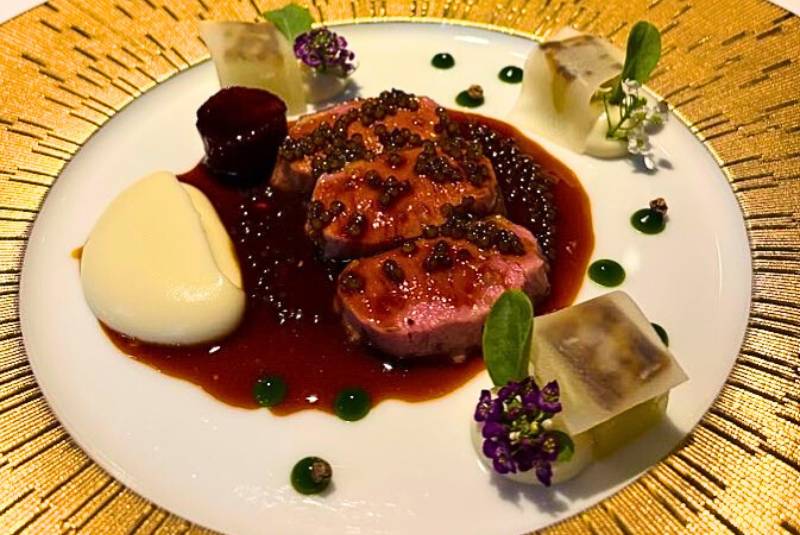
The original version of this dish debuted on The Fat Duck menu in 2005, but it's been brought back recently, albeit in an evolved form. Blumenthal explains that each cooking process alters the character of food, bringing out different textures and flavours. The possibilities from a single ingredient are numerous, which is a reminder of just how much there is to explore. On the plate is loin of lamb, crisp lamb arlettes (a puff pastry crisp, similar to a palmier), smoked caviar, cucumber, celtuce, green peppercorn, caraway and mint, with a side serving of ice-filtered lamb jelly with a mint emulsion.
Roast Duck Liver 'Benzaldehyde' – 2003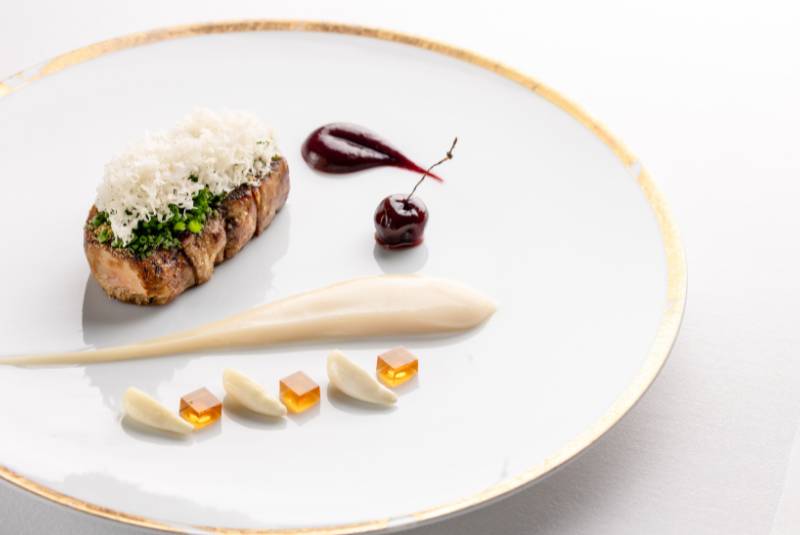
The pairing of fruit with duck liver might not be anything new, but Blumenthal's inspiration for the accompaniments to his dish was anything but conventional. At a symposium, he found out about benzaldehyde, the defining aroma of marzipan and the signature compound in cherries and almonds. Something which had puzzled scientists is that it is undetectable at low levels, but changes if sweetness is present in the mouth. This led to Blumenthal grinding cherry stones and infusing them in warm cherry juice, making a compote with fresh, dried, macerated and sour cherries, adding cubes of amaretto jelly and pioneering a technique (the 'fluid gel') to develop an incredibly smooth and powerful almond puree thickened with gellan. The overall result has an incredibly layered and complex flavour profile.
Salmon Poached in Liquorice Gel – 2003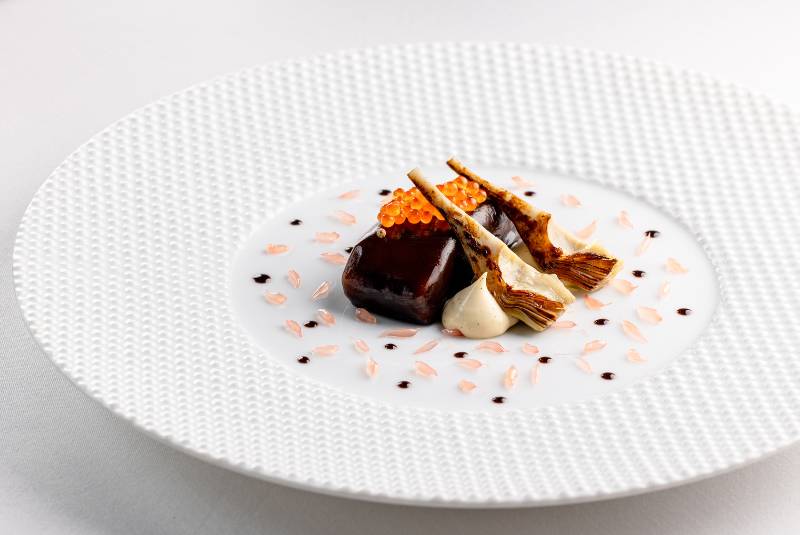
It seems unbelievable, but asparagus and liquorice have a compound in common – asparagine. Naturally, Blumenthal wanted to explore this. While also looking to create a new fish dish, he had the genius idea to pair salmon with asparagus and liquorice, employing the magical properties of gellan gum, which is a setting agent with exceptional flavour release. Asparagus is a natural pairing with salmon and acts as the flavour bridge between the more unexpected liquorice and salmon combination. The liquorice cuts through the richness of the salmon, while transforming the liquorice into a gel tempers its sweetness (it is 50 times sweeter than sugar) and creates a stunning black coating for the fish.
Like a Kid in a Sweet Shop – 2006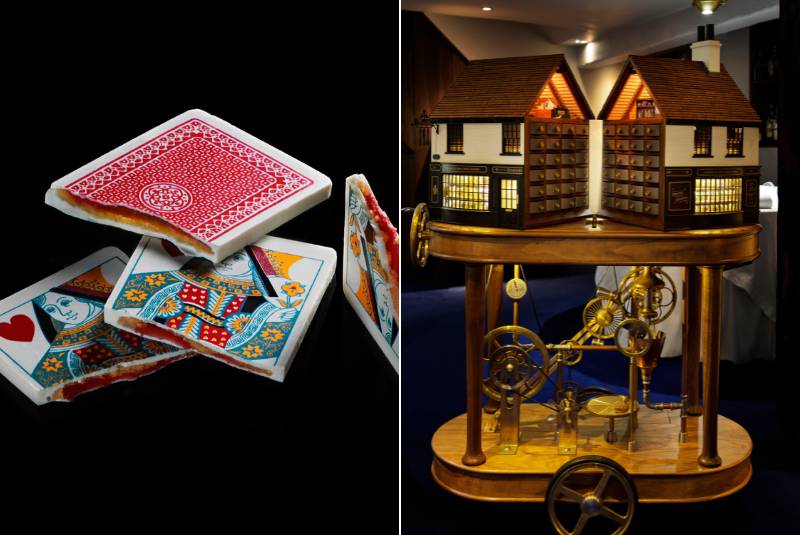
The exciting finale of the experience at The Fat Duck is aptly named – a doll house rendition of the restaurant, with a detailed depiction of Blumenthal's childhood bedroom, is wheeled over. Diners are given a coin to 'spend', and when placed in a slot at the side of the device, the magic ensues. Drawers open and close and eventually, your petits fours are presented to you from a sweetshop scoop-inspired drawer and placed into a signature pink and white striped paper bag. The treats change, but diners might find an incredibly detailed Queen of Hearts edible playing card – the world's thinnest jam tart at 3.5mm thick; a pie caramel with an edible wrapper; a bergamot-flavoured marshmallow with earl grey jelly and a raisin scone biscuit, a nostalgic nod to the classic British snack, a Tunnock's teacake; or Oxchoc, a reinvention of an 1890 Rowntree's confection, boosted with beef consommé.
Discover more about the incredible restaurants in the Best of the Best group. Each has topped the annual poll of The World's 50 Best Restaurants over its history.