From Gregorian chants to ageing according to the lunar calendar, these vineyards have some of the most unusual winemaking methods.
While the basics of winemaking are set in stone – harvest, maceration, fermentation and ageing – there is room for ample creativity at each stage of the process. Some makers keep things classic with barrel or stainless-steel tank ageing, while others are embracing more unusual techniques. Inspired by both traditional methods and branching out into more futuristic ideas, these vineyards around the world are embracing some of the globe's most unique winemaking methods.
Château Héritage, Bekaa Valley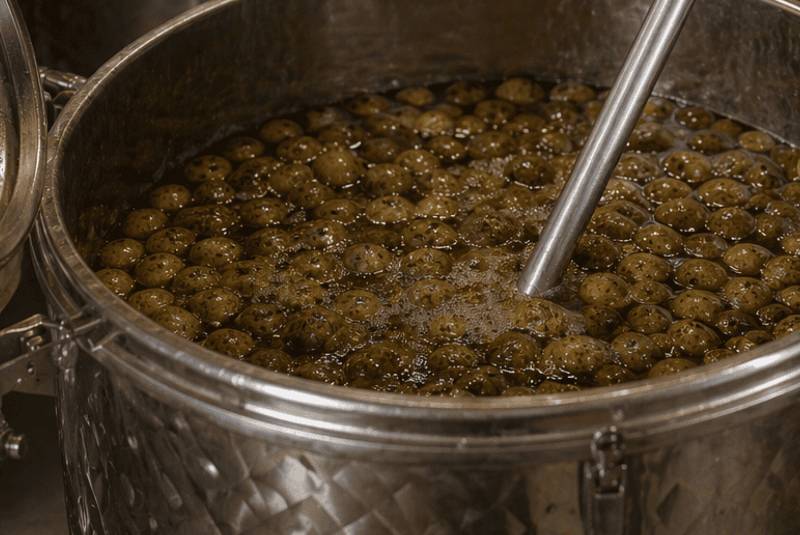
To make Château Heritage's specialist Vinoix cuvee, a secret family recipe is used. Passed down through generations of the Touma family, who have been making wine in Bekaa Valley since 1888, to current winemaker Dr. Dargham Touma, the mystery ingredient is green walnuts. Vinoix, a dessert wine crafted exclusively by Château Heritage, is made by macerating muscat grapes with unripe walnuts harvested before the shells form on the inside, then fortifying the wine with arak. The resulting wine can be chilled and sipped as either an aperitif or digestif.
Maysara Winery, Willamette Valley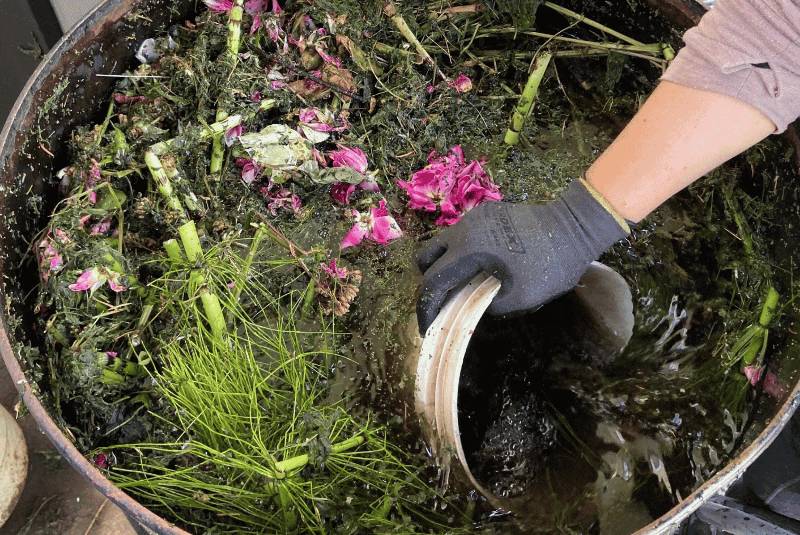
Iranian migrants Flora and Moe Momtazi escaped conflict in their home country, travelling to the US and eventually purchasing a vineyard in Oregon's Willamette Valley in 1997. Maysara is Demeter certified (the strictest biodynamic certification) and uses unique medicinal plant-based brews to treat their vines and soil. Flora and the all-female winemaking team use nettle, yarrow, dandelion and chamomile, harnessing the beneficial properties of each plant to create 'teas' as an alternative to chemical fertilisers and pesticides. The Momtazis believe this leads to higher grape quality and wine that's expressive of the valley's unique terroir.
Vik, Millahue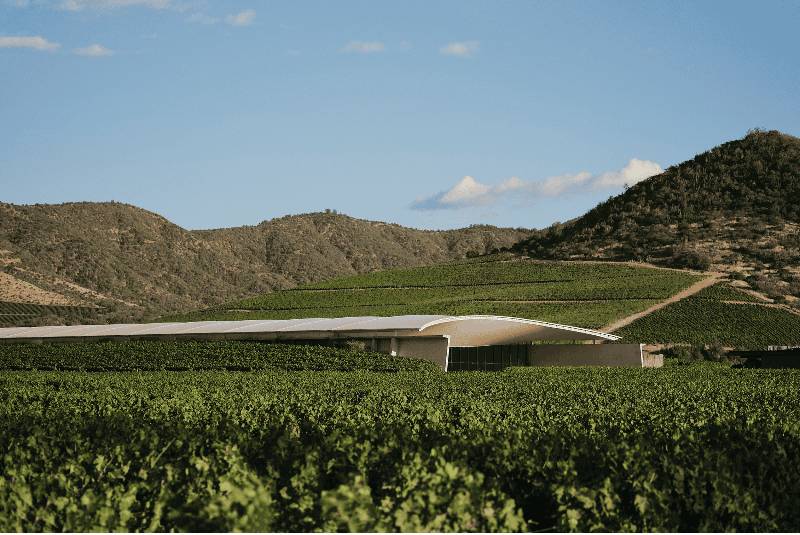
In the Cachapoal Valley, futuristically inclined Vik is ageing one of their wines in a somewhat folkloric manner. The making of Stonevik requires expertise not just from Vik's winemakers, but geologists and even an astronomer. To make this special bottling, chief winemaker Cristian Vallejo ferments grapes in toasted oak barrels for a period equivalent to a lunar cycle, then ages the resulting liquid in amphorae made with clay from the estate in a forested enclosure. Here, the circle of oak trees gathers around a natural fault line in the land and a water vein, in what the consultant geologist calls a 'magnetic resonance,' with the placement of the amphorae – half buried, half not – recommended by the consultant astronomer.
Montes, Colchagua Valley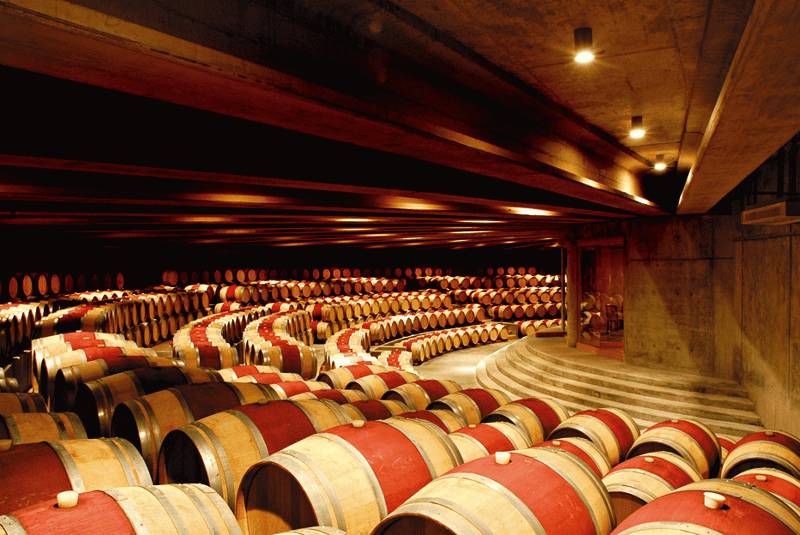
Cellar tours at Viña Montes take a somewhat spectacular turn when guests are greeted by 800 oak barrels in a semi-circular arrangement being serenaded by Gregorian chanting. The music is played 24/7 in a space crafted to create the optimal ageing conditions for the Colchagua Valley's famously ripe, tannin-rich wines. Montes founders Aurelio Montes and Douglas Murray say that the monastic music provides soft vibrations that promote better ageing than silence, as well as a serene atmosphere and overall harmonious feeling. Given the vineyard was created with a special feng shui design supervised by expert Sylvia Galleguillos, this otherworldly approach to what goes in the bottle checks out.
Rippon, Central Otago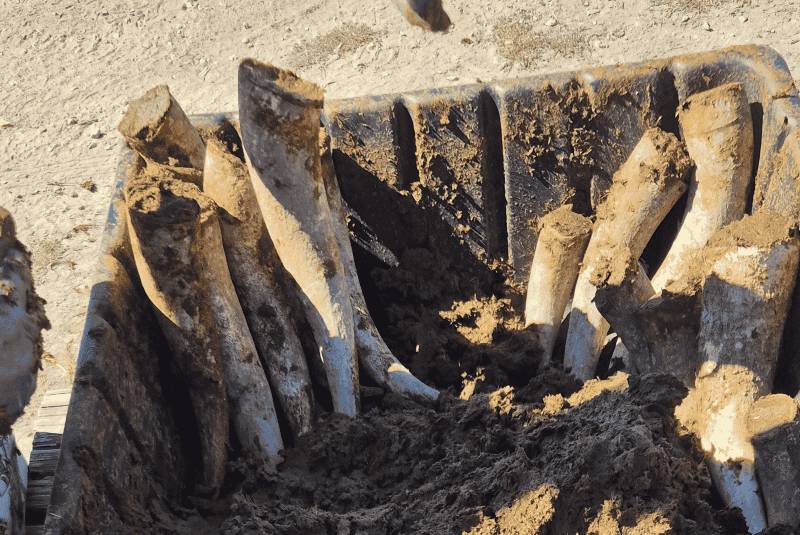
Known as preparation 500 by winemakers, this unusual-looking technique is one of the hallmarks of a vineyard that takes biodynamic operations seriously. Conceptualised as a core biodynamic practice by Rudolf Steiner, the philosopher and social reformer credited with sparking the biodynamic agriculture movement, preparation 500 is cow manure which has been stuffed into cow horns, then buried and left to ferment for up to six months during autumn and winter. At Rippon Vineyards on the western shores of Lake Wānaka, the manure is then mixed with heated rainwater before being spread across the land using brushes made from kanuka, a native New Zealand shrub.
Discover the full list of The World's 50 Best Vineyards 2025.