From ingredients that travel metres, not miles, to a focus on fermenting; five Slovenian chefs and restaurateurs explain why cooking more sustainably goes with the territory here.
For field-to-plate fine dining: Gostilna Repovž
@gostilnarepovz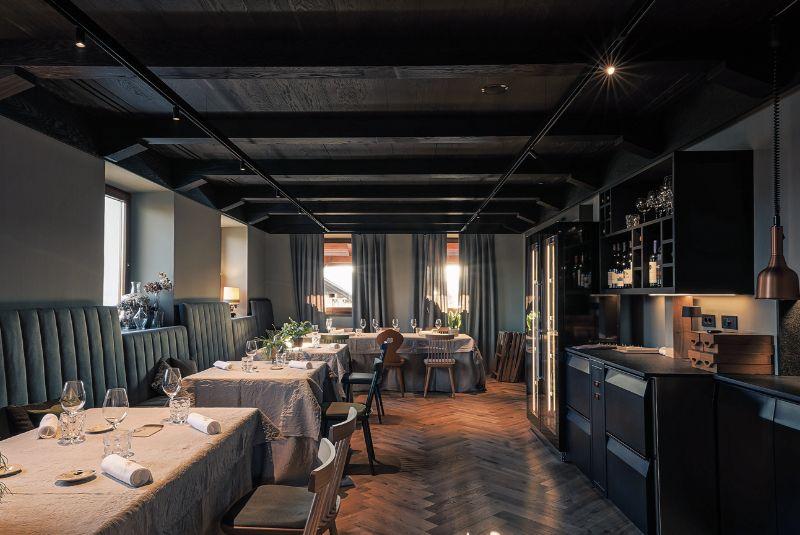
The restaurant is on site of the Repovž family farm, which dates back 500 years
In the village of Šentjanž, everyone knows the Repovž family and their inn, its menu built around the produce grown on their organic farm. "Endless types of lettuces, cabbages, beans, potatoes, grains..." smiles Grega Repovž, the sommelier and director. "We don't keep animals, but otherwise we produce nearly everything ourselves." His family has farmed this land for six generations "at least", buying what they can't grow from a close-knit circle of neighbouring smallholdings and farms, who often deliver the day's harvest by hand, in crates or baskets. ("When that kind of trust exists, food miles or packaging naturally stop being a problem.") In a kitchen well-versed in preserving and fermenting, very little goes to waste, from carrot tops – made into oils or powders – to day-old bread, reinvented as crisps or dumplings. "For us, zero waste isn't a complicated philosophy, it's just common sense," says Repovž. "For generations, families here had to live in harmony with what the land provided, and waste simply wasn't an option. That instinct never disappeared."
A mountain kitchen: Restaurant Plesnik
@hotelplesnik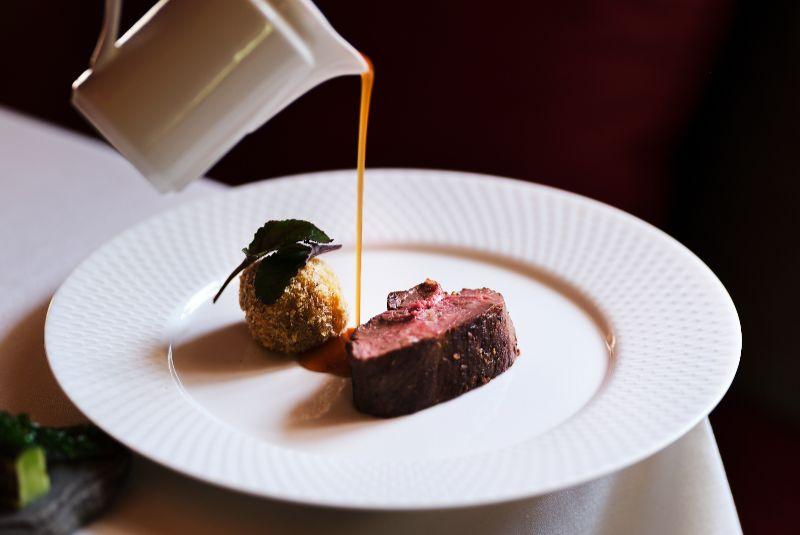
Locally sourced lamb comes with seasonal mushrooms, rocket and a millet fritter
The Logar Valley seems straight from a fairytale, with its forested peaks, rolling foothills and wildflower-scattered meadows. "That kind of landscape doesn't let you be careless," says head chef Tom Čopar. "It constantly reminds us that we're guests here: everything we do has to respect the valley." At Hotel Plesnik's restaurant, working with fellow chef Janez Bratovž, he cooks "what belongs" to the land, from freshwater trout to morel mushrooms, gathered in the woods in spring. Reducing waste is key, whether that means asking hotel guests to make their menu choices in advance, or ordering meat in "large, primal cuts" then butchering it on site: "We're very strict about using the whole ingredient." As a result, scraps are rare – though composted organic waste feeds the kitchen garden, fragrant with lovage and thyme. Long Alpine winters require careful preparation, from drying, pickling and fermenting vegetables to making spruce-tip syrups, or working with a local partner to freeze-dry surplus trout caviar. The result? An "intense, crunchy, almost explosive" condiment that's used to finish dishes, says Čopar. "What started as an experiment in waste reduction has become a signature."
Fine dining, done differently: Milka
@restaurantmilka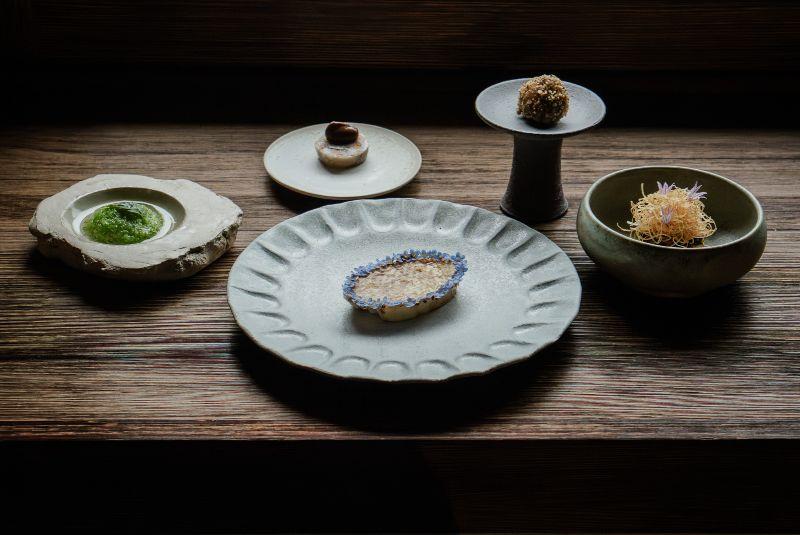
12-day dry-aged chicken is brined, grilled and served with a garlic and sansho leaf sauce, house-made sausage, grilled leeks and glazed chicken tail
Chef David Žefran isn't too keen on the word 'sustainable' – in his eyes, often just a buzzword. "We're not sustainable, but we are trying to behave responsibly," he says. At Milka, he offers a single tasting menu, showcasing ingredients largely sourced within a 150km-radius; an autumnal dumpling filled with deer-heart ragù, perhaps, or beetroot with bear fat and caviar. It's a menu that speaks of the restaurant's wild, mountainous surrounds, and changes as swiftly as the Alpine seasons. ("We follow nature in real time," nods Žefran.) Buying offal and less popular cuts is one way the team reduces waste, along with brewing beer from leftover bread, transforming vegetables and fish waste into garums, miso, vinegars and ferments, and cooking a weekly stew for the local food bank. Beetroot stems and scraps are pecked up by the chickens, the fridges run on heat pumps, and guests drink filtered tap water. Still, Žefran baulks at talk of "zero waste". "It's too complex and systemic an issue for any single restaurant to solve. What we can do is think logically and responsibly about our daily operations, and make better choices every day. That's become a creative challenge I genuinely enjoy."
A restaurant rooted in community: Hiša Linhart
@hisalinhartradolca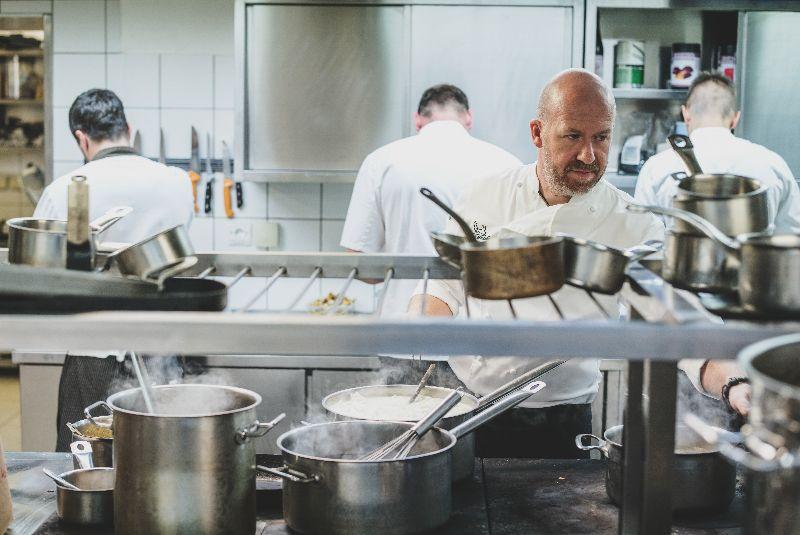
Chef Uroš' menus are often inspired by childhood memories of traditional Slovenian dishes
In the heart of Radovljica's old town, Hiša Linhart is a hotel, restaurant and culinary school, serving its own nuanced take on Slovenian cuisine. "I'm a cook from the countryside," says chef Uroš Štefelin. "Every dish is linked to an original flavour or memory." Ingredients like the apple bark-smoked rainbow trout come from namechecked small producers, while long-forgotten local specialties are revived in inventive new ways. (Štefelin is particularly fond of the Tepka pear, which – once dried – was traditionally dried into flour.) Preserving the old ways is, he believes, "an inherently sustainable" way to work. Deliveries come in crates and glass bottles, then returned to be refilled, meat is used sparingly, and little is thrown away. That includes the plates, handmade by locals with special needs and treasured by the team; should any get broken, they're transformed into artworks. "Our aim is to ensure that our community endures into the future," Štefelin explains. "Every dish reflects our surroundings, community and partners, and tells countless stories, enriching us as well as our guests."
Exceptional – and sustainable: Galerija okusov
@galerijaokusov
The Kohlrabi and Hazelnut dish presents kohlrabi in the form of a mousse, pickle and juice, accompanied by pork headcheese terrine and a hazelnut cracker (Image: Gostilna Repovž)
If creating a restaurant from scratch can be tough, with that comes a rare freedom, says chef Marko Magajne. "You can design a place that truly reflects how you live and what you believe in." At Galerija okusov, that's always meant sustainability – which has gradually evolved into a "daily practice" that shapes every aspect of the business. Ingredients are locally sourced from over 50 farms and producers, or grown in the garden, with surpluses preserved and fermented; koline (traditional butchery and processing) also means little is thrown away. With waste treated "as a resource rather than a problem", even scraps like trout skin have a purpose: carefully cleaned, dried and fried, it's served as a snack or garnish. At the bar, kombuchas, infusions and bitters give ingredients a new life, while filtered tap water is served in glass carafes, designed by owner Gašper Puhan. "Constraints often lead to better ideas," muses Magajne. "It can be challenging, but for us, sustainability and fine dining ultimately go hand in hand. Fermentation, foraging, nose‑to‑tail and root‑to‑leaf cooking, careful portioning... all of these techniques make our food more interesting, not less.'
Hungry for sustainable eats? Check out 11 of the best vegetarian and vegan restaurants in Europe, plus more brilliant venues on 50 Best Discovery.