The team at Wing anticipates a diner’s every wish and delivers a tailored experience based on subtle cues. Newly crowned as the winner of the Gin Mare Art of Hospitality Award 2025, chef-owner Vicky Cheng discusses personalisation, storytelling and what’s really important when it comes to recruiting new people.
As a boy, chef Vicky Cheng would often fight with his siblings for the teapot at family meals. In Chinese culture, pouring tea for the table is a sign of respect. The kids would also pick out the best morsels – the tastiest piece of chicken or the cheeks of the whole steamed fish – from the dishes laid out in the middle of the table to put in grandma’s bowl.
When Cheng opened Wing, his elegant Chinese restaurant in Hong Kong that has won the Gin Mare Art of Hospitality Award 2025, as part of The World’s 50 Best Restaurants, he wanted to preserve the essence of the Chinese dining experience he grew up with. But he also wanted to offer guests a level of service more often associated with European fine-dining restaurants.
“It’s crucial to me that guests leave Wing feeling like they’ve had a Chinese meal. I label the cuisine at Wing ‘boundaryless Chinese’, so authentic Chinese food that’s not bound by tradition,” says Cheng. “But Chinese restaurants aren’t generally known for very high-level, warm service. So that’s where my background in European fine dining comes in.”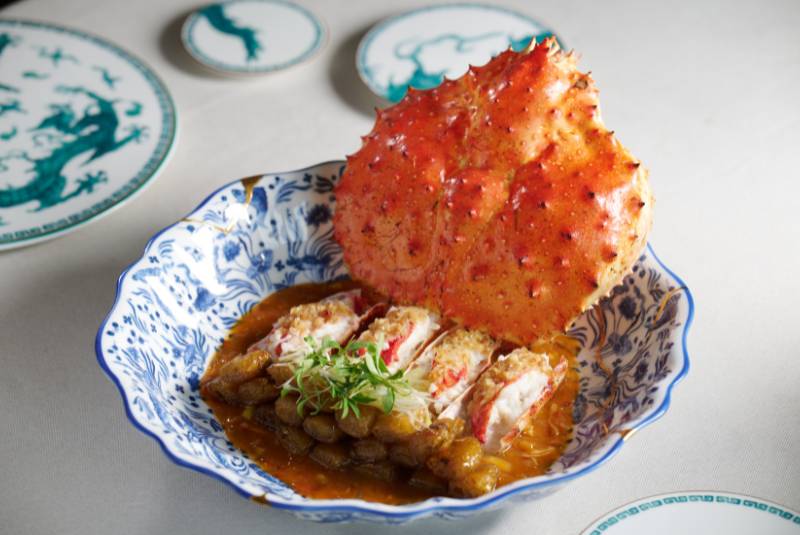
At Wing, some dishes are served sharing-style, but the prep is done to ensure the experience is elevated
Wing, which opened in 2021, was Cheng’s second restaurant after Vea, which opened in 2016 serving French cuisine with Chinese ingredients. Vea took home the Art of Hospitality Award in 2021, as part of Asia's 50 Best Restaurants. Cheng was born in Hong Kong but grew up in Vancouver and is trained in classic French cooking. He taught himself to cook Chinese dishes when he returned to Hong Kong and immersed himself in his culinary heritage.
A blend of East and West
The cultures of East and West perform a subtle dance throughout the dining experience at Wing. The first taste is a seasonal tea made from ingredients that follow the 24 solar terms of the Chinese culinary calendar: corn and sugarcane tea in spring, and pineapple and pear tea in late summer. Using seasonal ingredients not only respects the rhythm of nature, but is also good for health, according to Chinese philosophy.
“The little cup of tea, just two small sips, is a prelude of what’s to come, a way to let guests know about seasonality and how we care for solar terms. Chinese grandmas and mums at home subconsciously cook in this way as it’s good for you,” says Cheng.
The appetisers are always a selection of four to five small plates to honour the Chinese tradition of shared dishes, while bigger dishes, often traditionally served on the bone, are individually plated for each diner.
“We didn’t want to take away the tradition of shared dining but also want to minimise what you do yourself, so we pour the tea, and separate the food for you,” says Cheng. “We’re absolutely a Chinese restaurant, but we also want to pamper you as much as possible.”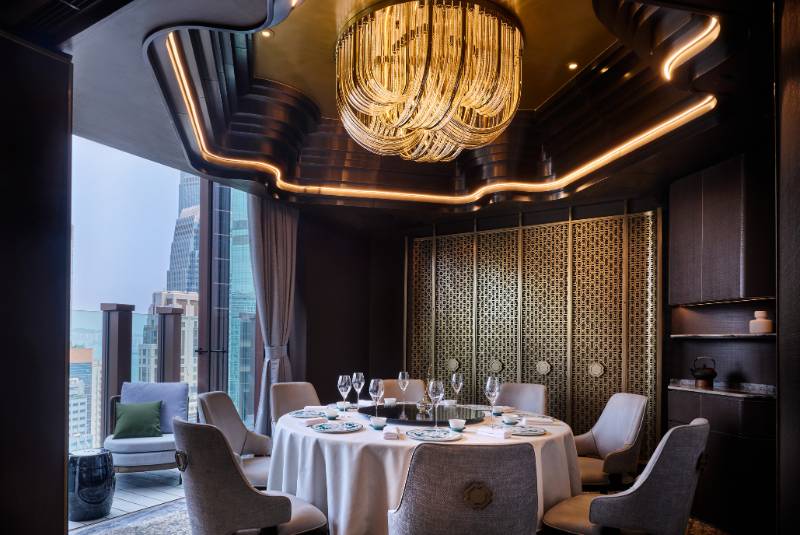
Everything has been thought about from a guest perspective, from the tableware to the washrooms
Cheng took being thoughtful about the hospitality provided at Wing literally, and physically sat in every part of the restaurant – including in the lavatory – and mentally ran through everything a guest could possibly need. Visitors will find mouthwash and hairspray in the washroom; attractive lighting, a fan and mosquito repellent on the terrace; and a little plate with a beautifully folded napkin for guests to discreetly remove and hide any errant bones in fish served whole. Tableware is exquisite, from the striking teal dragon that stretches across three overlapping plates at the start of the meal to the dainty crystal dish for the sweet cold soup for dessert.
“We keep the integrity of Chinese cuisine but make it as elegant as possible,” says Cheng.
It’s all in the detail
Balancing the elegance and impeccable professionalism is friendliness, with the team at Wing striving to create the feeling that guests are coming home for a meal. The team takes meticulous notes about diner preferences to ensure that repeat guests are served according to their dietary preferences and get to try new dishes.
Assistant manager Agnes Lo and hospitality and training manager Swiss Sung say that for first-time guests, the team always starts by opening up a conversation so they can get to know them.
“We ask about their food preferences, dietary restrictions, or any particular cravings they may have. This helps us make personalised recommendations,” says Sung. “We also pay attention to their feedback and reactions throughout the meal, adjusting our recommendations if needed. We want them to know that they’re special and that their experience matters to us.”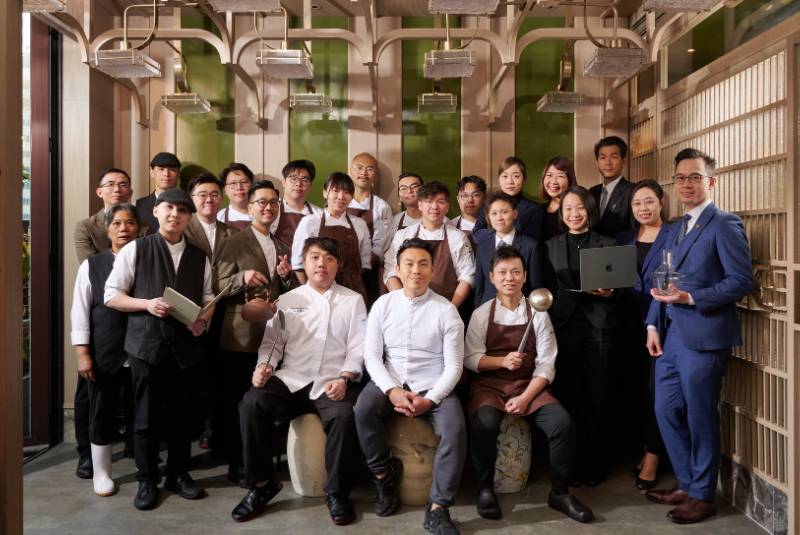
New team members are recruited to Wing based on their innate sense of service
Exceptional service requires nuance, and Lo says that is often about reading non-verbal cues. They discreetly watch how guests react, especially when food arrives. While the full front-of-house team has in-depth training about each dish, not every guest wants to know, for example, that the dish of braided strips of smoked aubergine is inspired by Cheng’s daughters’ plaited pigtails. Other guests, however, who smile and get their phones ready for photos, often want to know all the stories.
While eye contact may mean guests are interested in engaging or need assistance, frowns or puzzled looks might indicate confusion or dissatisfaction – staff can then react accordingly. The team automatically delivers a tray of tissues after a sneeze, and always offers to lead guests to the washroom once they stand up.
More than a feeling
While training is, of course, important, for Cheng an innate sense of service is what really counts. When recruiting new staff (although many of Wing’s team have been with him for years, with many coming through the ranks at Vea), he pays little attention to CVs. Experience is a bonus, he says. Service, for him, is about being natural.
“Do they open a door and instinctively look to see if they can hold it open for the person behind? The best service staff are astute at reading people and adapting to situations. The more experience you have the better you mind-read, but it starts with being good-hearted,” he says.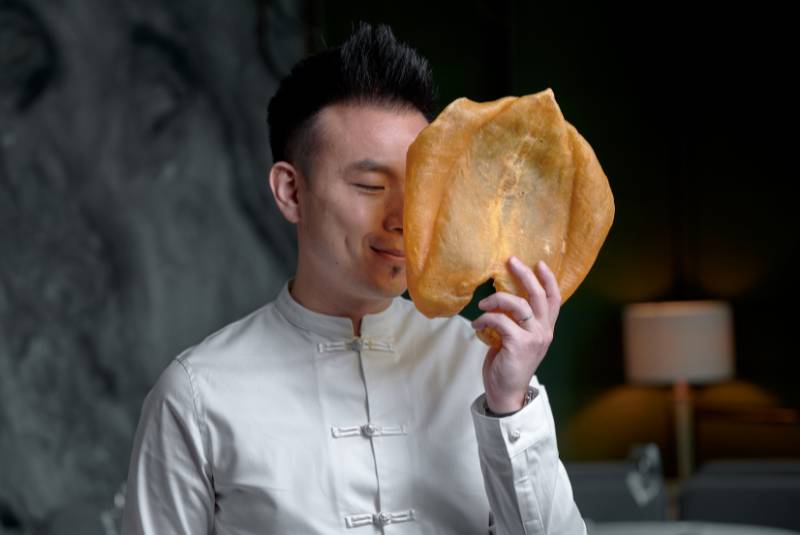
Chef Vicky Cheng wants to start a new trend in Chinese dining
Cheng calls it “temperatured service” – hospitality of the highest level, where every guest need is anticipated, but also warm.
“Some restaurants make you feel like a king, but not warm in the heart and wanting to return. To me, the art of hospitality is to make diners feel welcome, like they’re coming to your home. I say ‘hi’ to each table every night, explain why the restaurant opened and connect with them,” he says. “From the moment guests step out of the elevator and are greeted by smiling staff, and for the next two-to-three hours and beyond when they head home with a gift of candied ginger, I want them to feel pampered and looked after.
“I hope that Wing is the start of a new trend in Chinese dining, where hospitality is not only focused on the quality and deliciousness of the dishes, but on the whole dining experience.”
Watch the video to find out why Wing is the winner of the Gin Mare Art of Hospitality Award 2025 as part of The World's 50 Best Restaurants:
The World's 50 Best Restaurants 2025, sponsored by S.Pellegrino & Acqua Panna, will be revealed in Turin on Thursday 19 June 2025.