Ahead of the announcement of Asia's 50 Best Restaurants 2026, discover the incredible restaurants ranked from 51 to 100. Spread across 27 cities, the extended list features some of the most esteemed dining spots in the region, from Bengaluru to Wakayama.
No.100 Celera – NEW ENTRY
Makati City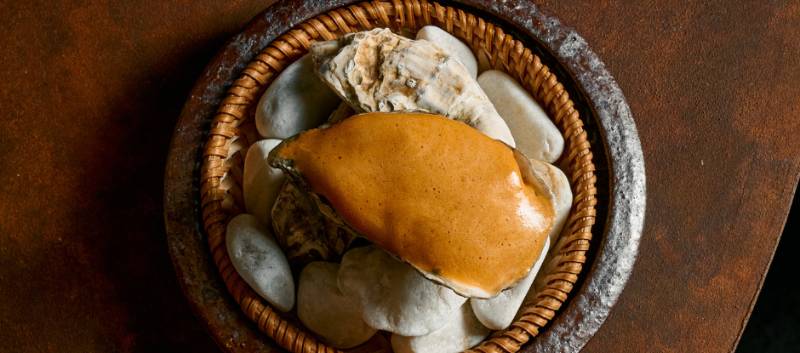
Chef-owners Nicco Santos and Quenee Vilar cook contemporary Asian cuisine that takes influence from across the continent and beyond. 'Celera' means 'appetite' in Malay, so make sure to come hungry for dishes such as BBQ – white Peking duck and chicken meatballs with kiniing (a local cured and smoked pork), Baguio strawberries, lime and shiso leaf. Dark and moody interiors create an intimate ambience, and the service is warm and hospitable.
No.99 Fiotto – NEW ENTRY
Busan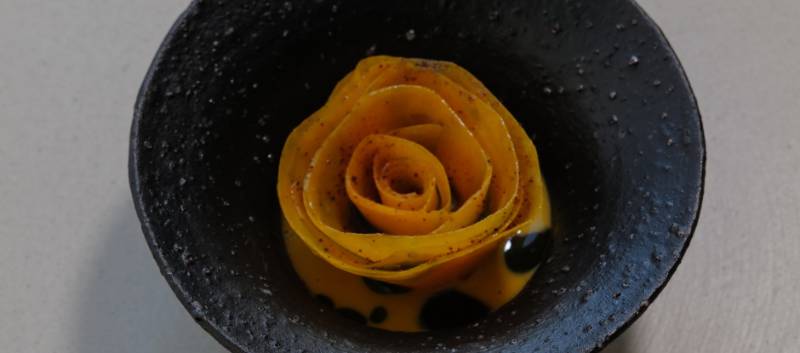
This small farm-to-table restaurant, run by husband-and-wife (and chefs and farmers) team Kim Ji-hye and Lee Dong-ho, offers a pasta-focused tasting menu crafted with carefully sourced ingredients: all the vegetables and fruits come from the family farm; there's native Korean rice; and renowned Jeju black pork on the menu as well. Everything from the kombucha-vinegar to cured ham, fresh pastas and syrups are made in-house and enjoyed by diners at a single long table in front of an open kitchen.
No.98 Kwonsooksoo
Seoul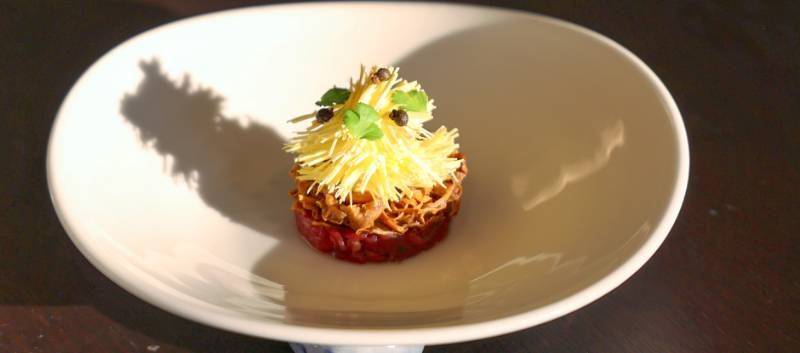
Kwonsooksoo is a modern Korean restaurant with a traditional name: 'sooksoo' is an old word for a professional cook. The dialogue between ancient and modern informs every aspect of chef-owner Kwon Woo Joong's cooking, which is a creative and contemporary take on Korean cuisine that never loses sight of time-honoured techniques. The menu features dishes such as steamed blue crab, truffle bean noodles and Korean beef tteokgalbi (minced and grilled beef ribs).
No.97 L'évo – RE-ENTRY
Nanto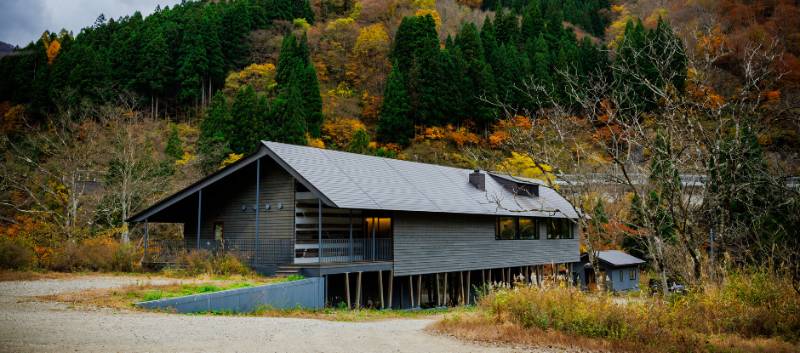
Nature blessed L'Evo with its incredible perch, near the Tateyama mountains, and nature graces L'Evo's pantry, too. Crystalline mountain water comes from the rivers of Toga and Momose, which connect to saltwater Toyama Bay, rich in fish and seafood. Mountain ranges yield deer, boar, pheasant and other game, alongside rice, berries and vegetables. Chef-owner Eiji Taniguchi has created a reimagined auberge inspired by the region with a 13-course tasting menu starring ingredients farmed onsite and foraged locally.
No.96 Haoma – RE-ENTRY
Bangkok
If Instagram designed urban farms, they'd look like this: a creaky house filled with plants, strings of twinkling lights zigzagging between shelves of seedlings, rustic wooden furniture and floor-to-ceiling windows. Indian chef Deepanker Khosla is evangelical about farm-to-table, zero-waste cooking. His multi-course tasting menus pay homage to the classic recipes of his motherland, yet he produces many of the greens, fruit and fish on site using hydroponics and sourcing the rest of the ingredients as locally as possible from organic farms.
No.95 Gaa
Bangkok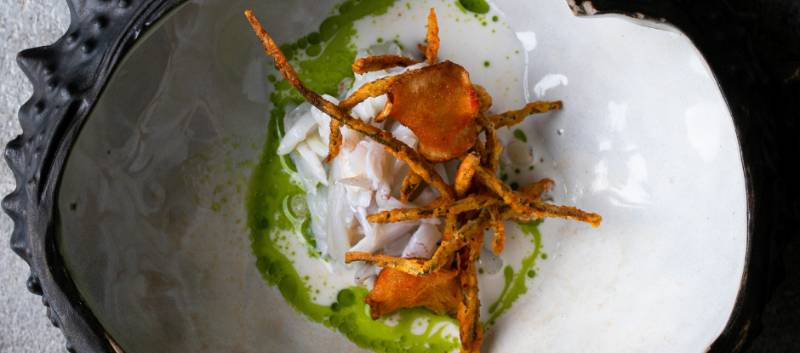
Inspired by her father's home cooking as a child, Mumbai-born Garima Arora recognised her calling as a chef at a young age. Melding flavours from India and Thailand, Arora builds progressive dishes with ingredients dictated by the seasons. Guests enjoy a tasting menu – which changes every three months – in a 60-year-old traditional Thai house featuring curved ceilings and a string art installation that represents the spiritual connection and bliss shared by those gathered in the space.
No.94 Ministry of Crab
Colombo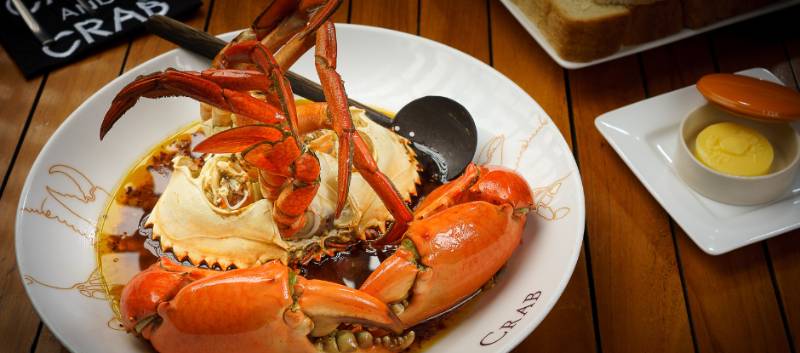
Set in a preserved 400-year-old Dutch Hospital in Colombo with a minimalist-but-huge open kitchen, Ministry of Crab is a haven for crustacean fans, celebrating the Sri Lankan crab in everything from the food to the crab-claw plants that serve as the restaurant's only decor. The restaurant was set up by the country's leading chef-restaurateur Dharshan Munidasa together with Sri Lankan cricket legends Mahela Jayawardena and Kumar Sangakkara. As the name suggests, there is crab, crab and more crab on the menu.
No.93 Dewaya – NEW ENTRY
Nishikawa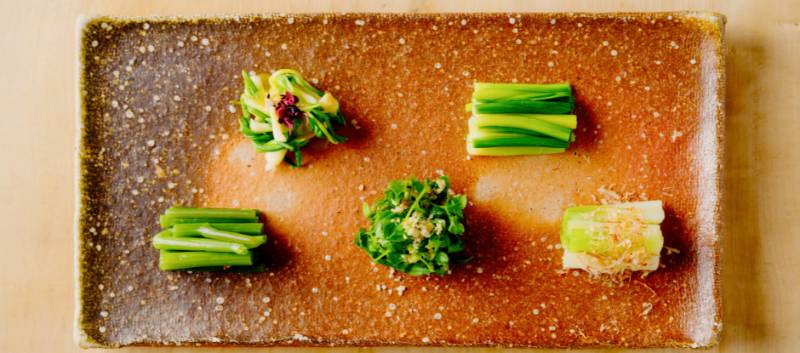
Dewaya opened in 1918 as an inn serving people travelling to the Three Mountains of Dewa. Chef Haruki Sato is the fourth generation to carry on the family business, learning his trade in Tokyo and elsewhere before returning home to Nishikawa in 2013. The restaurant is a real family affair, with Sato's mother as owner-manager, his wife as assistant manager and his brother as assistant chef and farmer. Together they offer guests traditional foods of their hometown and a taste of the mountains.
No.92 Respiración – NEW ENTRY
Kanazawa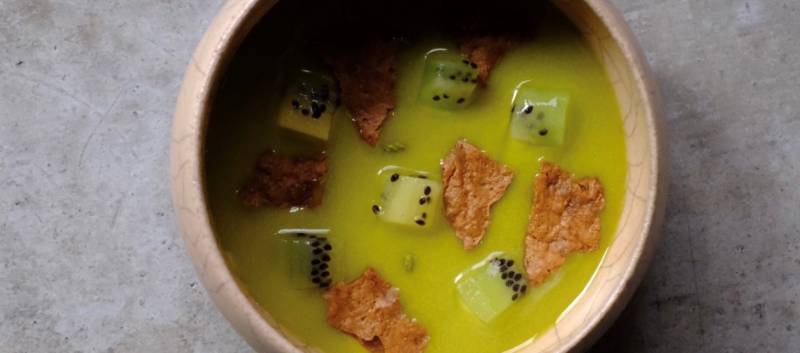
For lifelong friends Keisuke Yagi, Tatsuro Ume and Yusuke Kitagawa, Respiración has been in the making since they were children. As adults, they travelled to Spain to work in top kitchens, before returning to their hometown to open a restaurant together. The food is modern Spanish featuring Ishikawa ingredients served in a machiya, a traditional Japanese wooden structure. Now the trio have formed company Hife, with one in charge of the restaurant, one in charge of the bar, and the third is the chef at Piso, which sells speciality goods.
No.91 Côte by Mauro Colagreco
Bangkok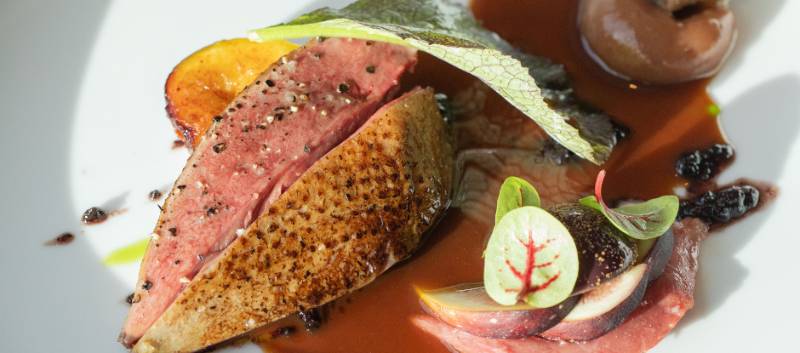
Côte sees chef Mauro Colagreco's renowned food philosophy, made famous at Mirazur, a former No.1 on The World's 50 Best Restaurants list, transported from the French Riviera to the banks of Bangkok's River of Kings. You'll find it in the Capella hotel, where Colagreco's flagship style – clean, contemporary reimaginings of classic Riviera dishes, driven by a respect for ingredients and sustainability – is showcased expertly by executive chef Davide Garavaglia in a range of multi-course menus, including Carte Blanche, which sees a surprise meal play out over nine dishes.
No.90 Amber – RE-ENTRY
Hong Kong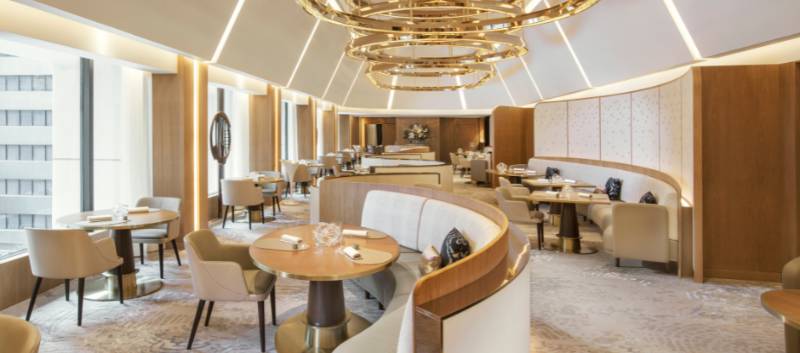
Under the guidance of chef Richard Ekkebus, Amber weaves together the richness of French technique with the vibrancy of Hong Kong and the wider region. After more than two decades in his adopted home, Chef Ekkebus' perspective has evolved with a deep sensitivity to local flavours and textures. The menu uses no dairy, gluten, refined sugar or salt in impressive dishes such as line-caught Suzuki, ping yuen chicken fat, yellow wine velouté, chicken jus, cauliflower and Buddha's Hand.
No.89 Gēn – RE-ENTRY
Penang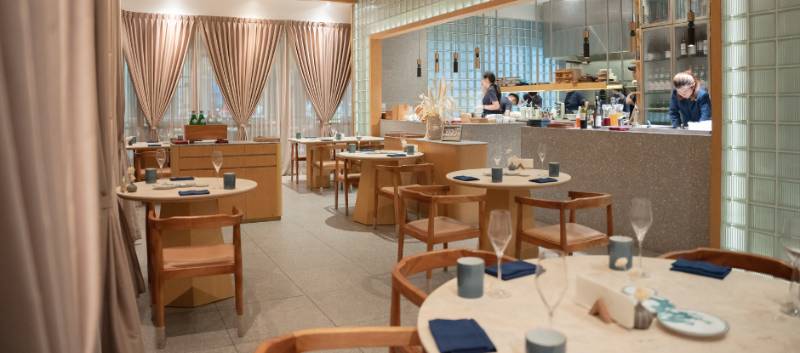
Gēn (meaning 'roots') is helmed by talented Johor-born chef Johnson Wong. His seasonal tasting menus showcase nostalgic Malaysian flavours and innovative cooking techniques. Courses arrive at a relaxed pace, allowing time to linger over the likes of corn-fed chicken, chicken liver and chamomile; or flower crab, white corn and beechey bamboo, which are often plated whimsically. The entire experience is a love letter to Malaysia.
No.88 Andō
Hong Kong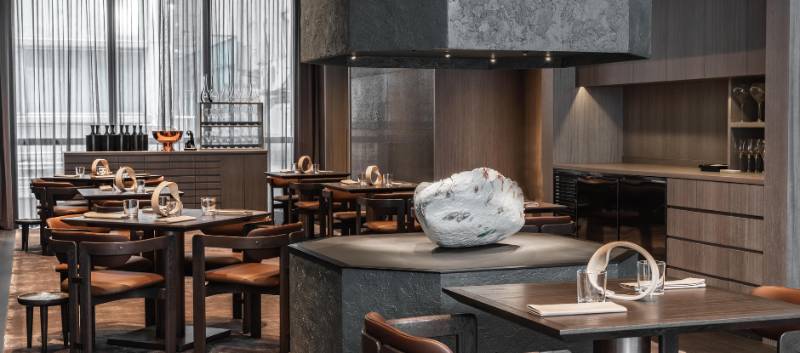
Despite not speaking the language, Argentinian chef Agustin Balbi chose to hone his culinary skills in Japan. Balbi moved to Hong Kong in 2016 to open Japanese restaurant Haku, but realised he didn't want to be defined by a single cuisine. That led to Ando, where the chef-owner could create his own culinary language reflective of his own professional journey. The restaurant beautifully fuses elements of Spain, Italy, Argentina and Japan on the plate and in the sleek, minimalist interiors.
No.87 Jungsik
Seoul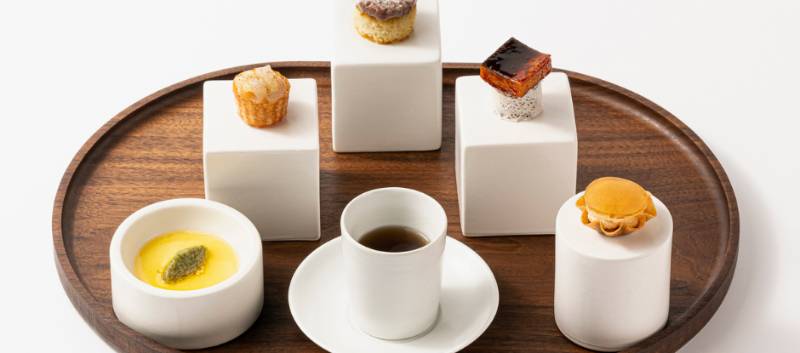
Polished black surfaces, a geometric light feature and several indoor trees provide a sleek setting for this boundary-pushing restaurant. Jung-sik Yim – who also has a renowned namesake restaurant in New York – riffs off traditional dishes using techniques such as spherification, foams and fermenting. The signature tasting menu begins with banchan – small side dishes served with rice – before diving into the likes of caviar, abalone, gimbap, ok dom (tilefish), and hanwoo beef, before finishing with fun and whimsical desserts.
No.86 Anan Saigon – RE-ENTRY
Ho Chi Minh City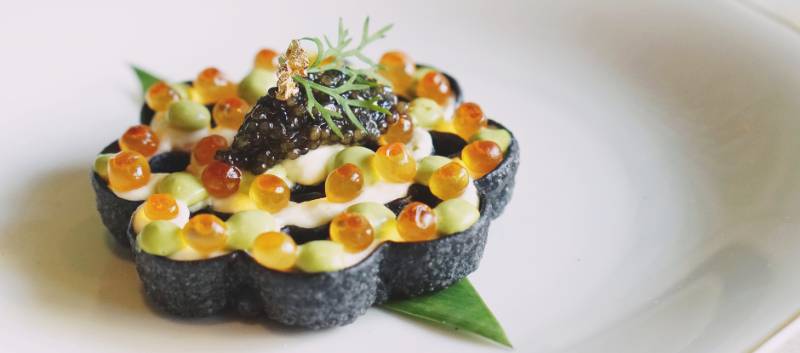
Its name translating as 'eat, eat', Anăn Saigon is located in Chợ Cũ, Ho Chi Minh's oldest wet market. Dynamic, street food-inspired dishes come courtesy of Vietnamese-American banker-turned-chef Peter Cuong Franklin, whose resume includes stints at Caprice in Hong Kong, and Nahm in Bangkok. The tasting menus are a great way to get a sense of the chef's culinary mastery via flavour-packed small plates, then retire to the rooftop bar to round things off with a dessert, cocktail and bird's eye city views.
No.85 Jin Sha – RE-ENTRY
Hangzhou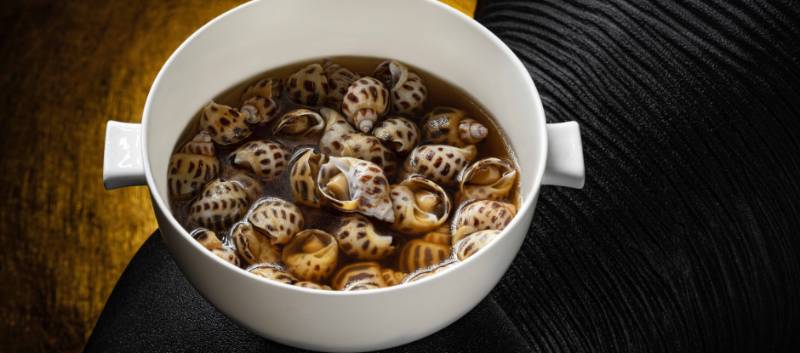
For five-star dining that does justice to the luxurious Four Seasons Hotel Hangzhou, in whose grounds it's housed, Jin Sha awaits. Seasonal, local ingredients fuel chef Wang Yong's impressive menu – with everything from barbecue to live seafood, and even a whole abalone section. The dining room features dark wooden beams and panelling against richly patterned red carpets. And if the weather is good, make sure to lunch (the only service where the dim sum menu is available) outside on the terrace.
No.84 Xin Rong Ji (Xinyuan South Road)
Beijing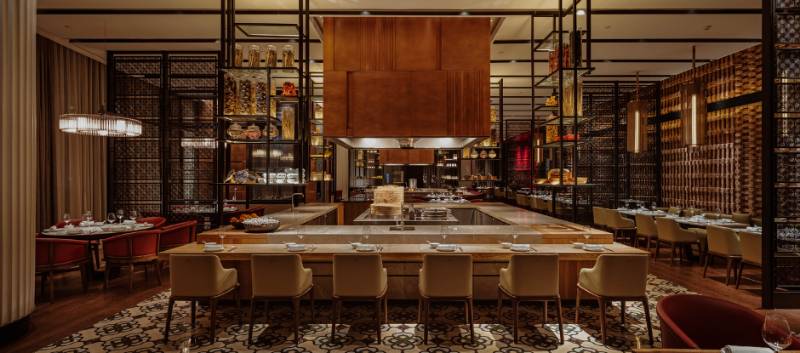
This is the flagship of the Xin Rong Ji chain, which now has more than 30 branches. This iteration opened as part of Beijing's Bulgari Hotel in 2019 (although it's located in the Genesis Beijing East Building opposite, rather than in the hotel itself), with a modern dining room that feels elegant yet relaxed. It's the only Xin Rong Ji to serve a sensational rendition of Peking duck, but the menu also includes the likes of soy-braised sea cucumber and stewed lamb soup, all made with authentic Chinese ingredients.
No.83 Farmlore
Bengaluru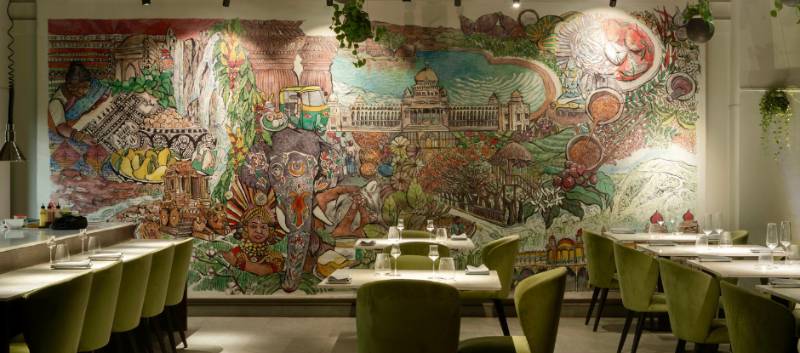
There are a lot of farm-to-table restaurants in the world, but Farmlore stands apart with its truly immersive experience on an actual working farm. The brainchild of chef Johnson Ebenezer and entrepreneur Kaushik Raju is driven by seasonality, sustainability and local produce. The farm-to-table restaurant only seats 18 people and features large floor-to-ceiling glass windows offering views of lush greenery: banana and bay trees, and swathes of lemongrass, which was planted to ward off mosquitos. Fresh produce includes jackfruit, mulberry and coconut, as well as five varieties of mango.
No.82 Kataori – NEW ENTRY
Kanazawa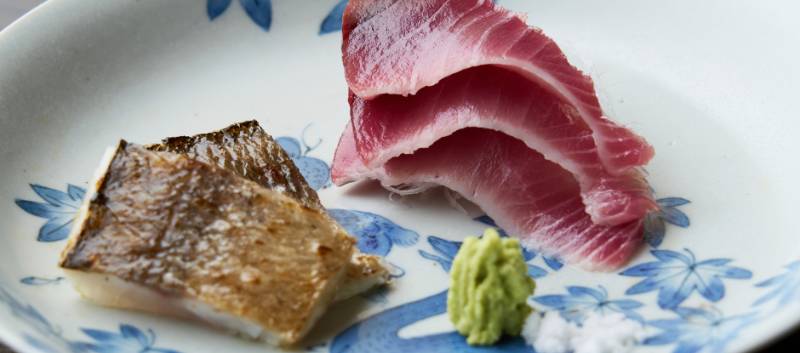
Kataori in the Ishikawa Prefecture's picturesque ancient capital of Kanawaza is made up of a tiny counter with just a handful of seats, offering a ringside view of chef Takuya Kataori at work. Kataori's style and ethos is informed by his previous experience at the late, great Tsuruko restaurant, as well as his hometown, the port of Himi. Each day he travels back there to get the very freshest fish and seafood he can lay his hands on, which forms the core of his 11-course menu.
No.81 Villa Aida – RE-ENTRY
Wakayama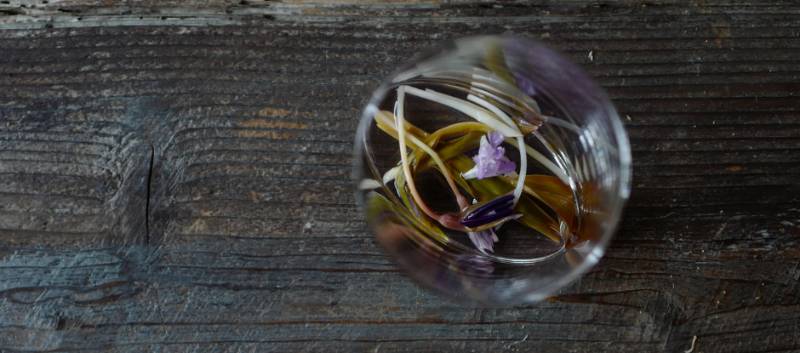
This is a little slice of Campania in the hills of Wakayama. Aged just 21, chef-owner Kanji Kobayashi travelled alone to Italy on a one-way ticket to learn the art of Italian cuisine. He stayed four years, before returning to his parents' farm to set up Villa Aida. Expect Italian-inspired cuisine with a twist – all dishes are made with ingredients from the local area, many of them grown by Kobayashi himself. He boasts that more than 100 varieties of vegetable can be found in nearby fields, and has announced the restaurant will serve a completely vegetable-based menu from July 2026.
No.80 Jade Dragon – RE-ENTRY
Macau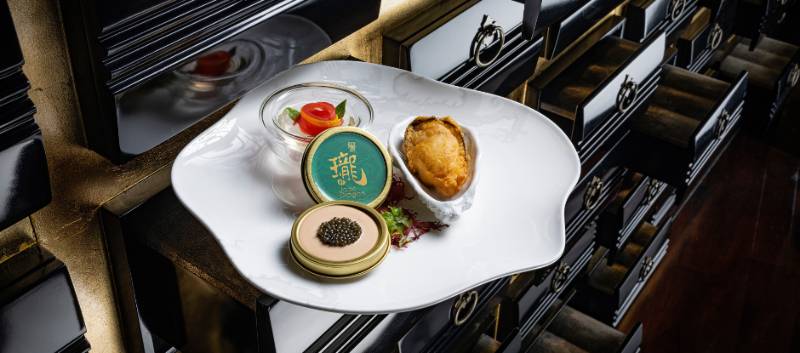
Helmed by executive chef Kelvin Au Yeung, a Hong Kong native with more than 20 years of experience in top Chinese kitchens, Jade Dragon is found at City of Dreams in Macau. This lavish restaurant delivers on its name, with jade found everywhere from the decor to chopsticks and accessories worn by the front-of-house team. Dishes have roots in Cantonese traditions, but are created with globally sourced ingredients and modern techniques.
No.79 Ensue
Shenzhen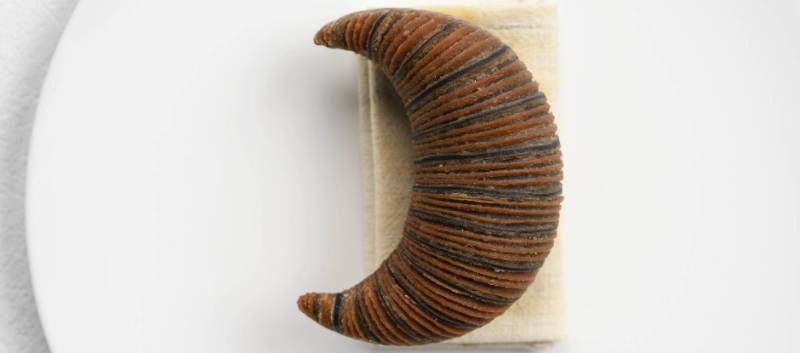
American chef Christopher Kostow opened Ensue in 2019. The kitchen is run by chef Jeff Wu, who blends Cantonese flavours with Western techniques. Ensue features an incredible backdrop: perched on the 40th floor, it's high enough to overlook the city of Shenzen while also glimpsing the magnificent mountain landscape beyond. The food is focused on organic products, natural simplicity and finding the best season to present them. This philosophy is combined with the ingredients, traditions and techniques of China in dishes like fish maw, bitter melon and onion.
No.78 Peach Blossoms – RE-ENTRY
Singapore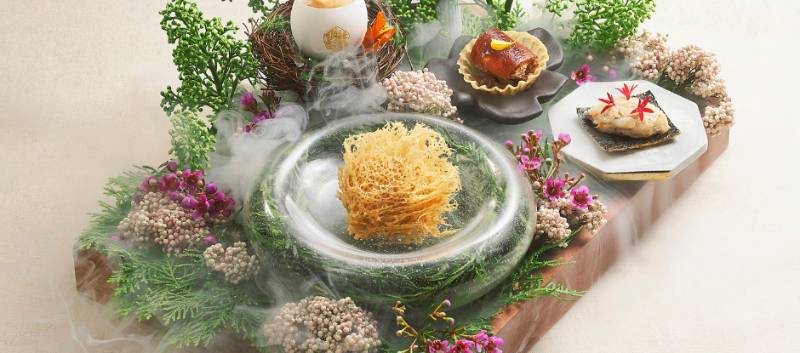
On Level five of the Parkroyal Collection Marina Bay hotel, the dining room of Peach Blossoms is a serene, nature-inspired sanctuary offering spectacular views out across the bay and of the Singapore skyline. A seven-course set menu is available at lunch alongside the lunch and dinner a la carte offerings, all of them overseen by executive chef Edward Chong. A seasoned pro with two decades of experience, Chong is known for a cooking style that is authentically Chinese yet modern in spirit, with his elegantly plated dishes designed to awaken the senses.
No.77 Meta
Singapore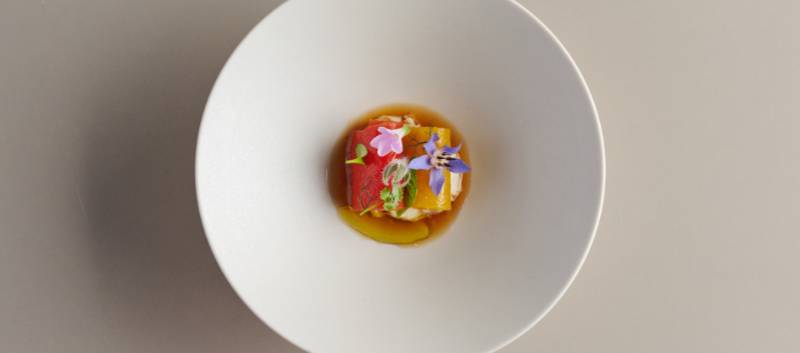
While there is no shortage of fine-dining options in Singapore, Meta seamlessly blends Eastern and Western cuisines, executed with a rare level of finesse. Chef Sun Kim spent most of his life in South Korea before stints in Sydney and elsewhere in Singapore. Meta opened its doors in December 2015 and Kim has been at its helm ever since. Meta is short for 'metamorphosis' and represents Kim's continually moving edible ethos, with the menu changing roughly every three months in line with the seasons.
No.76 Cenci
Kyoto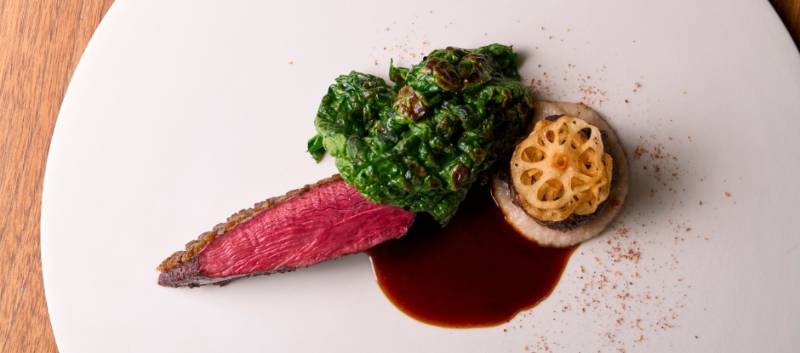
Combining Japanese precision with Italian techniques and flavours, chef-patron Ken Sakamoto surprises and delights diners with his ever-changing tasting menu filled with hyper-seasonal and local produce which ensures no guest has the same experience twice. The restaurant, which opened in 2014, has strong ties to the city of Kyoto and its heritage. Located in a century-old Japanese house near the Heian Shrine, the dining room is accessed through a red-brick tunnel built by Sakamoto and his team.
No.75 Inja
New Delhi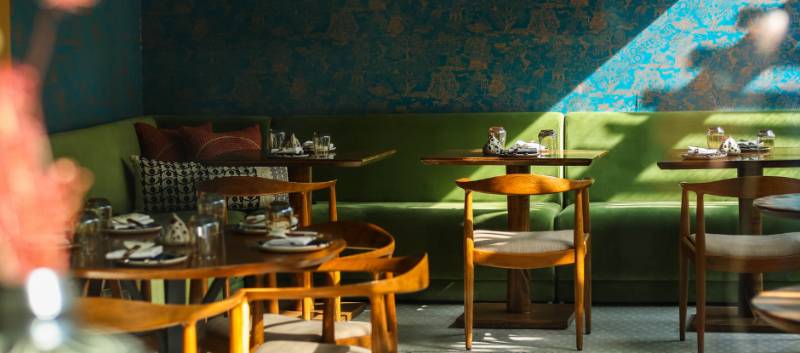
Inja blends the rich traditions of India and Japan in its whole concept, from the food to the restaurant interior, where minimalist design sits alongside vibrant pieces. The unique concept marries the delicate, technique-driven approach of Japanese cooking with the rich, complex flavours of Indian cuisine. The result is an experience that is both refined and approachable, with standout dishes from chef Adwait Anantwar including the shiso leaf tuna and pomelo chaat, and lobster rasam chawanmushi, alongside a tasting menu.
No.74 Soigné
Seoul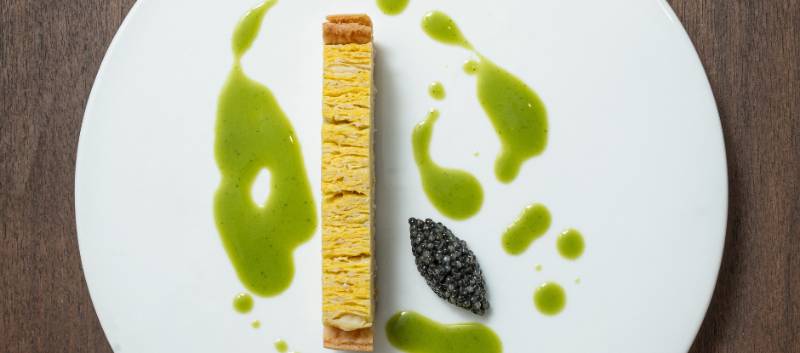
Chef Jun Lee has had a fascinating career – he trained at the Culinary Institute of America, worked at Thomas Keller's Per Se, held positions in Toronto and New York, then returned to Seoul to launch a series of pop-ups, eventually opening Soigné in 2013 on the backs of their success. In the intervening decade, Lee has implemented all he has learned to channel into this acclaimed destination, quite unlike anything else in the city.
No.73 The Table
Mumbai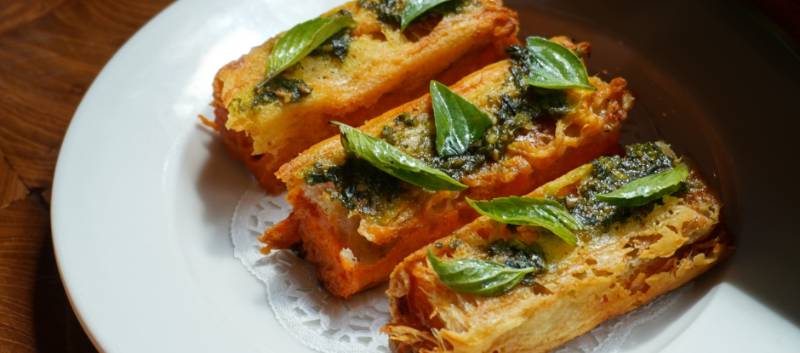
With inspiration from all over Asia, the Americas and Europe, The Table offers an eclectic and extensive selection of global food. The restaurant presents a menu of small and large sharing plates, such as sweet and sour fried brussels sprouts, yellowfin tuna tataki, pork belly buns and shrimp dumplings with a spicy ginger broth. Low lighting, cosy seating and excellent cocktails make it ideal for a special occasion, but it's equally suitable for a casual lunch or brunch.
No.72 Sushi Saito
Tokyo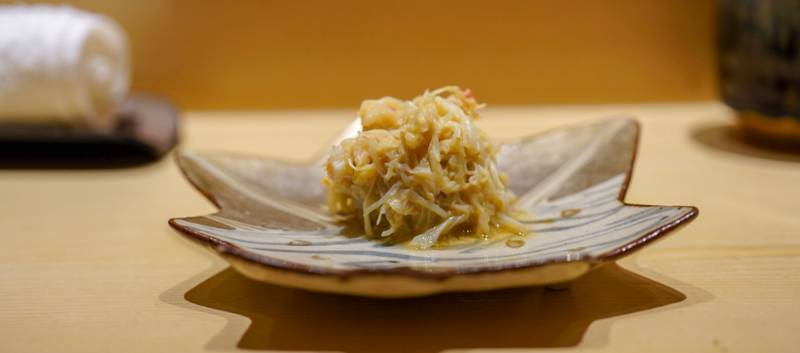
Sushi can be rice and fish. At Sushi Saito, it's a transcendental experience. Tucked away in Tokyo's Roppongi Hills neighbourhood, this intimate eight-seat counter made of finest Hinoki wood is the domain of Takashi Saito, a living legend among the sushi masters of Japan. Fresh, vibrant, redefining umami – dining here is an experience that lingers long after the final bite. Guests depart with a profound appreciation for the craft of edomae sushi at its most refined.
No.71 Toyo Eatery
Manila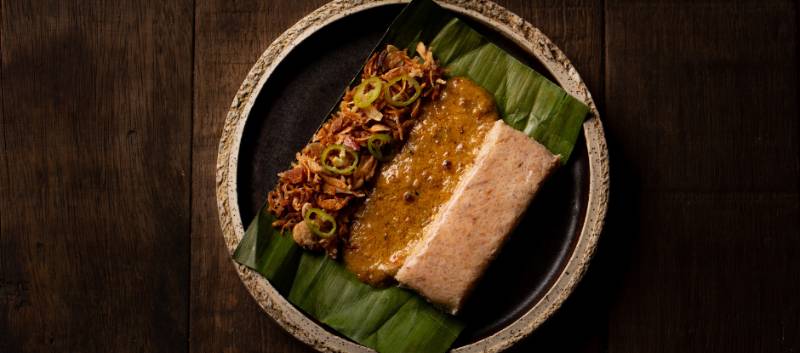
Run by husband-and-wife team Jordy and May Navarra, Toyo Eatery prioritises Filipino produce and people, fostering long-term relationships with local farmers and artisans. 'Toyo', the Filipino word for 'soy sauce', presents local ingredients in modern ways, playing with fermentation and preservation techniques to create a bold palate of flavours. The restaurant serves both a Kamayan and tasting menu. With the unique Kamayan menu, guests are encouraged to ditch the cutlery and use their hands to enjoy a feast set out on banana leaves.
No.70 Vea
Hong Kong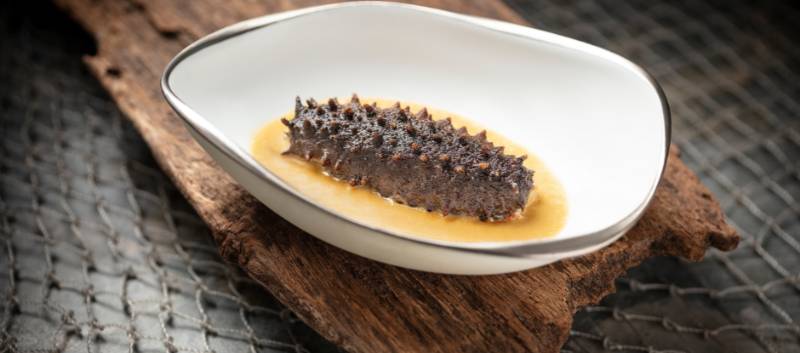
'Boundaryless Chinese' is how chef Vicky Cheng describes his cuisine. Chinese dishes – ingredients from Hong Kong, Taiwan and Mainland China – are wielded using French techniques, which Chef Cheng honed while working at Restaurant Daniel in New York. The marble counter fronting the open kitchen is the best place to enjoy the tasting menus, which always include the popular Chinese delicacy, roasted sea cucumber, prepared in various ways. The excellent service sets Vea apart, where the thorough dining service is underpinned by the ethos, One Team One Dream.
No.69 Co- – NEW ENTRY
Chengdu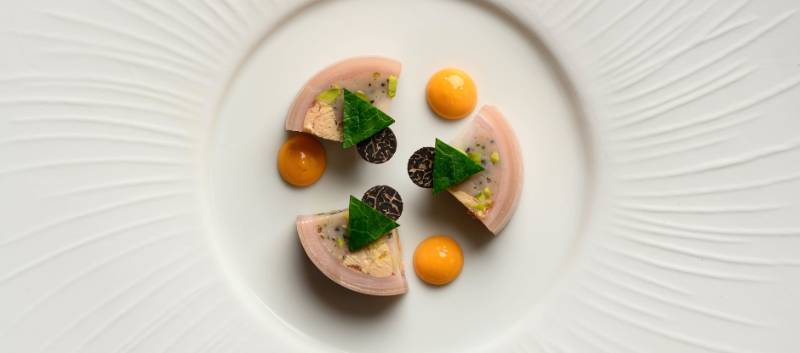
Restaurant founder and head chef Yang and Mei Yi, from the coastal regions of Fujian and the local Sichuan-Chongqing area, have skilfully blended French culinary techniques, memories of the coast and locally sourced Sichuan-Chongqing ingredients. They consistently adhere to the principles of seasonality and sustainability, showing deep care for both the growing environment and the human communities involved. They established an eco-farm 20 kilometres from the restaurant, adopting a more direct and hands-on approach to unlock the true potential of ingredients, which are served to just five tables a night.
No.68 Ta Vie
Hong Kong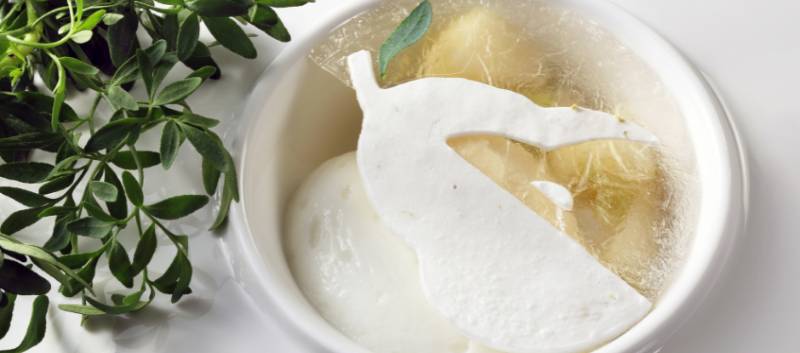
Located in the boutique Pottinger Hotel, Ta Vie translates to 'your life' in French and 'journey' in Japanese. In line with this, the tasting menu juxtaposes East and West. Pure, simple and seasonal sums up the character of the cuisine – accentuating the purity of the seasonal produce through simple yet precise cooking, seasoning and presentation. Japanese chef Hideaki Sato worked at the renowned Nihonryori RyuGin in Tokyo and moved to Hong Kong to open Tenku RyuGin (now closed), before launching Ta Vie in 2015. His wife, Hiromi, runs the front of house.
No.67 Samrub Samrub Thai
Bangkok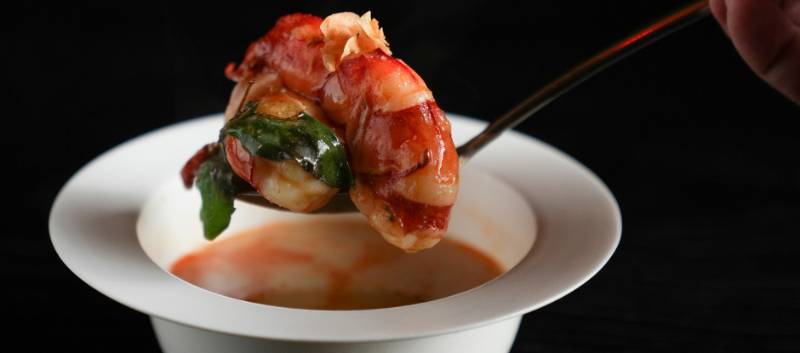
Samrub Samrub Thai continues to be one of Bangkok's most prominent restaurants that also serves as an educational platform, highlighting nearly forgotten ingredients through ancient Thai recipes. Chef Prin Polsuk, a veteran of Mandarin Oriental's Sala Rim Naam and Nahm by David Thompson, is an international name, but locally he is considered the unofficial ambassador of Thai cuisine.
No.66 Papa's – NEW ENTRY
Mumbai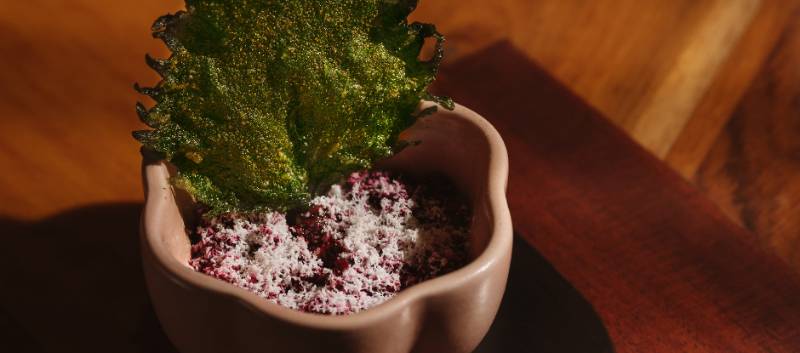
Dining at Papa's is like going to an intimate dinner party at chef Hussain Shahzad's home. The restaurant embodies the spirit of 'fine, without the fuss', turning fine dining on its head with an experience that is personal, playful and rule breaking. Chef Shahzad puts a new-age stamp on Indian cuisine and traditions, reimagining familiar flavours that he grew up with on the tasting menu which includes dishes like mawa khaja, reimagined as a delicate cronut filled with burnt honey custard and brunost, finished with caviar or a seasonal fruit jam.
No.65 Fumée – NEW ENTRY
Shenzhen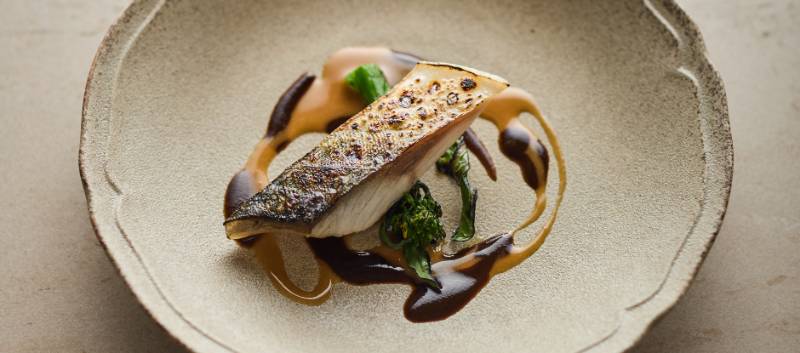
Named after the French word for 'smoke', this global feeling, yet unmistakably Chinese restaurant, was founded in 2022 by restaurateur David Pan. The kitchen is led by chef Reina Chen, a former opera singer who spent time at Mugaritz in San Sebastian, and who firmly believes in the power of storytelling through food. Throughout her 11-course tasting menu, Reina utilises seafood for its umami qualities while incorporating local fruits, spices and plants for freshness.
No.64 Silks House – NEW ENTRY
Taipei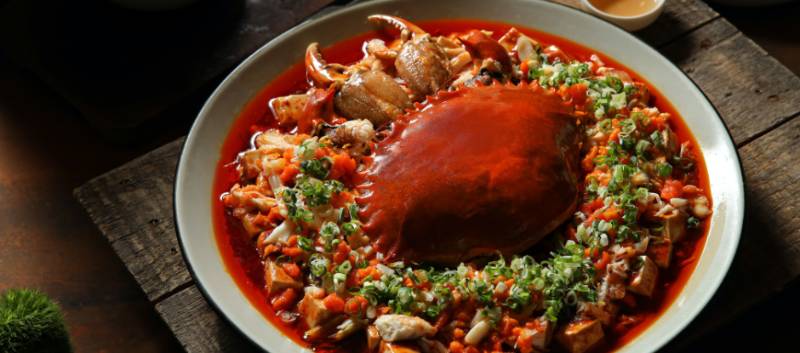
Chef Max Wo, an alumnus of Hong Kong's renowned fine-dining restaurant Lei Garden, stepped into the head chef role at Silks House in Taipei in 2019. With his pure, traditional cooking style, diners flock to the restaurant's lavish dining room to try Cantonese dishes including wok-fried beef with green vegetables and pine nuts, and clay pot braised mushroom and abalone. There's a series of set menus, along with an extensive a la carte offering.
No.63 Sushi Shunji – NEW ENTRY
Tokyo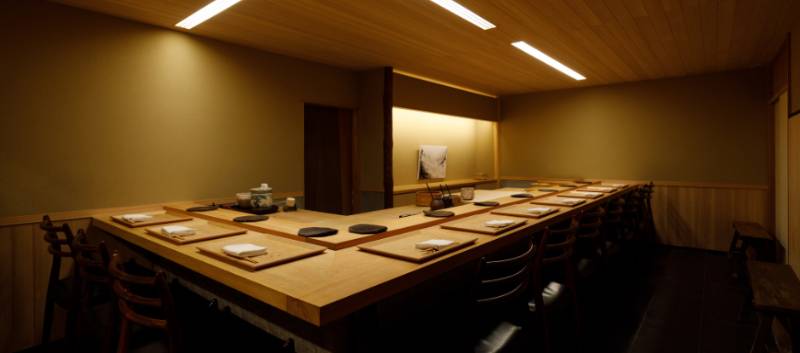
After being mentored by the legendary Takashi Saito and having served as second chef at Sushi Saito for two years, in 2020, Shunji Hashiba opened his own Edomae-style place next door with the blessing of Chef Saito, before relocating to Motoazabu in 2023. Each evening, just 10 guests sit around the wooden counter in front of the open kitchen to enjoy an omakase menu crafted with precision, delicacy and care, using ingredients sourced from all over Japan.
No.62 Dewakan
Kuala Lumpur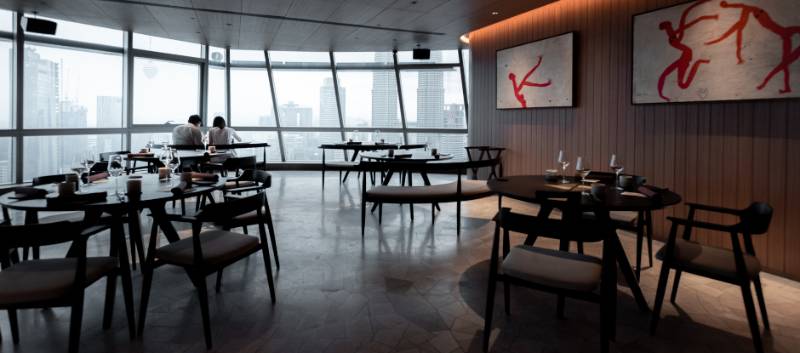
A portmanteau of the Malay words for 'god' and 'food', Dewakan's mission is to honour the bounty and blessing given to the land. Chef Darren Teoh uses his dishes to express a deep connection to the Indigenous people of Malaysia, while applying a modern twist. The restaurant is located on the 48th floor of Naza Tower, offering a spectacular view over the heart of Kuala Lumpur. Floor-to-ceiling windows allow the light to stream in, adding to the bright and luxurious atmosphere of the dining room.
No.61 Mume
Taipei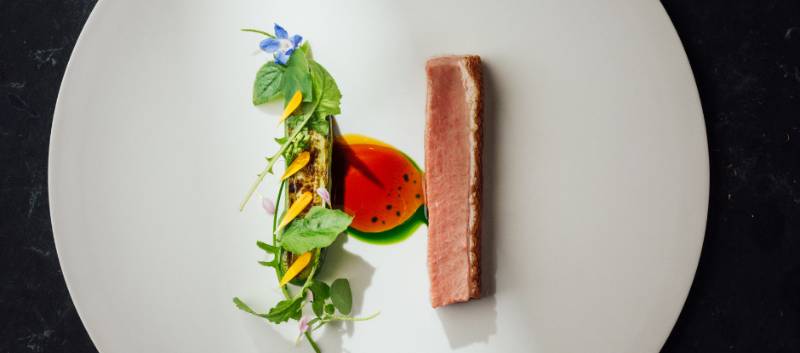
Opened in 2014 by chef trio Richie Lin, Long Xiong and Kai Ward, Mume has been run solely by Lin for the last few years. Born in Hong Kong, the chef moved to Sydney to work alongside Peter Gilmore at Quay, then to Noma in Copenhagen. before deciding to move to Taiwan permanently. At Mume, he combines his international outlook, predilection for minimalist, Nordic-inspired plating and passion for Taiwanese produce all into one. The chef's philosophy is all about exploring underrated local ingredients and applying modern European techniques to create stunning, colourful dishes.
No.60 Goh
Fukuoka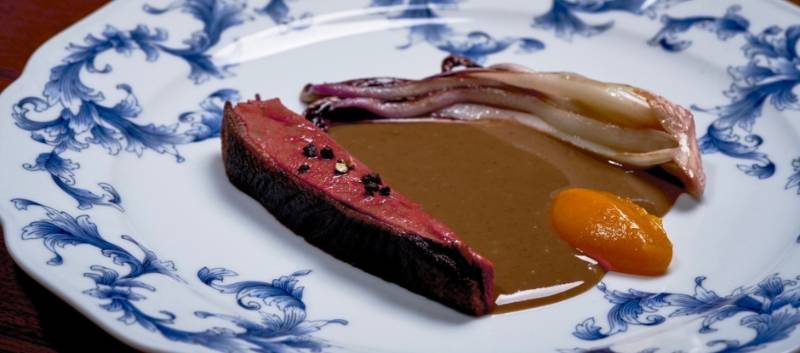
Despite the innately Japanese execution and presentation, traces of chef Takeshi 'Goh' Fukuyama's predecessor restaurant – La Maison de la Nature Goh – remain, with French motifs permeating its menu, as seen in a dish of rice crab bouillabaisse. Courses pivot depending on the produce of the day and the seasons, but one thing never changes: Fukuyama's masterful blend of international cuisines.
No.59 Burnt Ends
Singapore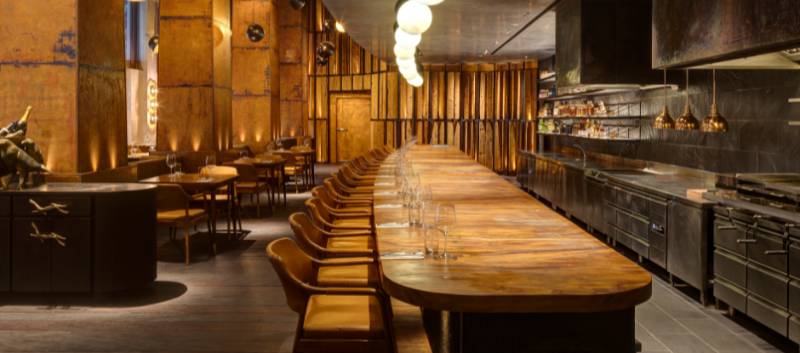
Chef Dave Pynt remains at the helm, but works closely with executive chef Patrick Leano to ensure that new dishes appear on the menu with the distinctive Burnt Ends DNA. Nearly every dish is kissed by the flame, whether directly from the grill or from an oven pit with burning logs. With Chef Leano's Filipino heritage, you'll see some Asian sauces and flavours make their way onto the menu.
No.58 Thevar
Singapore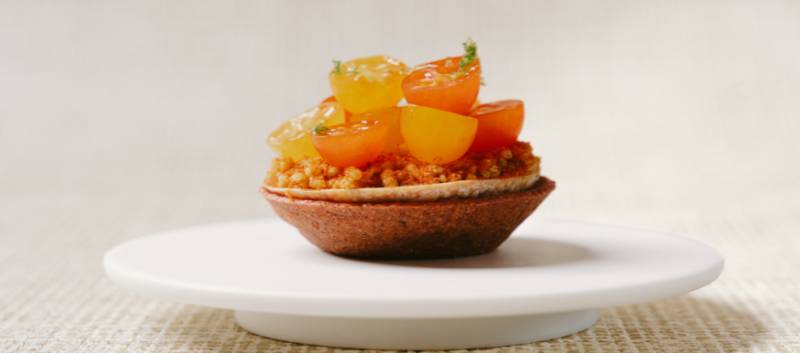
Dim lighting, green leather and counter seating may give Thevar the informality of a sports bar, but the quality of the food is worlds above. Chef Mano Thevar draws inspiration from his Penang childhood and his Indian heritage, alongside his formative years spent training under French chef Guy Savoy, to create flavourful, modern dishes that are light yet punchy. The tasting menu features the likes of Irish oysters topped with rasam vinaigrette and sambal oil, which is an homage to his grandmother's rasam soup.
No.57 Alla Prima
Seoul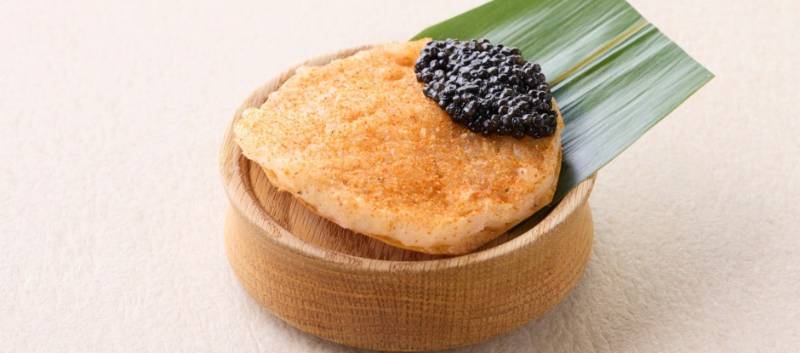
Stylish and compact, Alla Prima only hosts 28 diners, with a number of house rules to follow, from no videos and no strong perfumes to no flip flops and no small children. As long as you stick to these parameters, you're in for a great time – there's a reason so many Seoul-dwellers choose to celebrate their birthdays here. The menu (and its price) changes constantly based on seasonality and the quality of produce available, ranging from six to 11 courses which demonstrate some delightful touches of whimsy from chef Jin-hyuk Kim.
No.56 Born and Bred
Seoul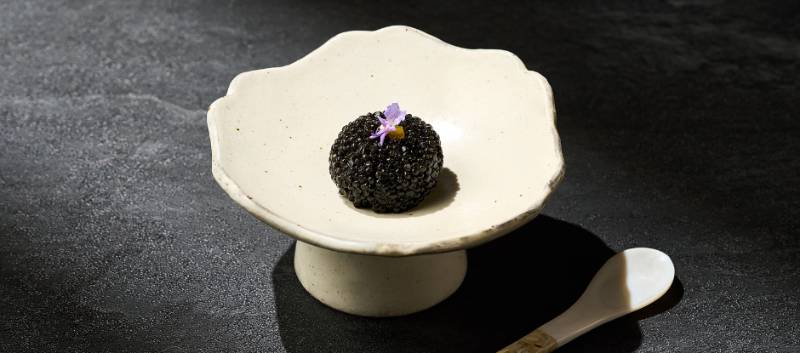
You've heard of wagyu, but how about hanwoo? To put it into perspective, wagyu is to Japan what hanwoo is to South Korea. On the menu at Born and Bred is a staggering succession of dishes – typically between 15 and 18 – that highlight the myriad ways hanwoo beef can be prepared, from cuts grilled over charcoal to beef pho, a katsu sando and even a Philly cheesesteak. Born and Bred is located in a four-storey building that encompasses a butcher shop and casual café (first floor), an a la carte dining hall (second floor), and four private dining rooms (third floor). But the real show goes down in the basement-level speakeasy.
No.55 Solbam
Seoul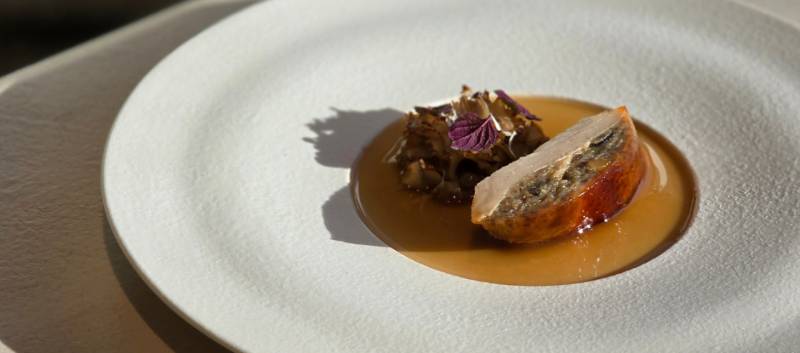
Named after the hometown of chef-patron Tae-jun Eom, who returned to Seoul after training at the Culinary Institute of America in NYC, Solbam offers contemporary Korean fine dining that champions local, seasonal ingredients. Marrying classic cooking techniques with a thoughtful, modern approach, the tasting menu is preceded by the participatory DIY amuse bouche, with diners offered a selection of ingredients to mix themselves. Taking its design inspiration from an art gallery, the pared-back, white-toned dining room allows guests to concentrate on the food and the comforting power of nature.
No.54 San – NEW ENTRY
ONE TO WATCH AWARD
Seoul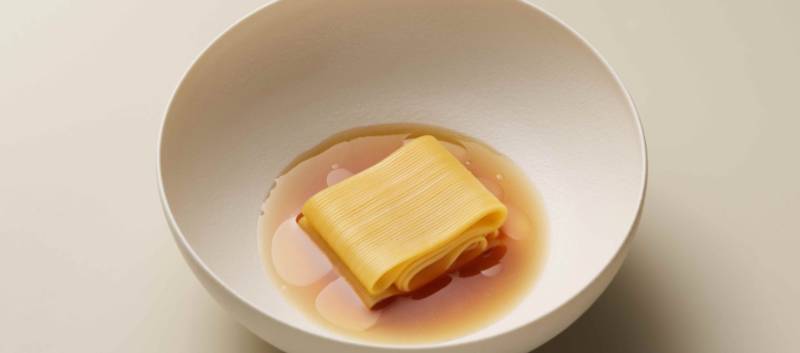
San, a sleek subterranean restaurant in Seoul's upscale Gangnam District, opened in mid-2024. Leading the project is chef-owner Jo Seung-hyun, who, after running the kitchen at Benu in San Francisco for eight years, returned to his native Korea to pursue his first solo restaurant. The impact of Chef Jo's classical French training and modern European influences are clear in the 13-course tasting menu: seasonal Korean ingredients are given new life through the team's imagination and skill.
No.53 Baan Tepa
Bangkok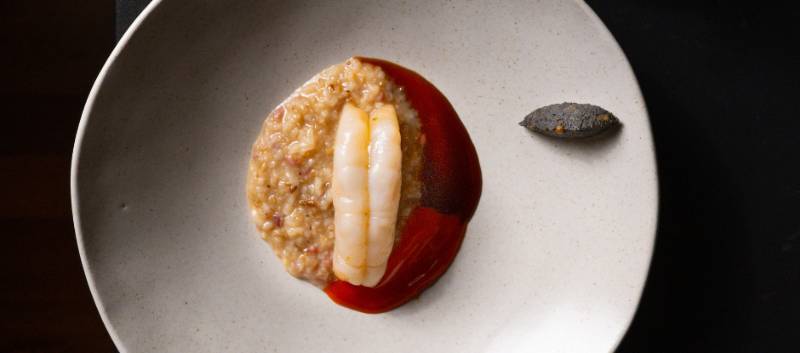
Chef-owner Chudaree 'Tam' Debhakam has created a restaurant and garden experience in Bangkok that champions local produce and Thai biodiversity in the most creative way. Opened in 2020, Baan Tepa is home to an open-kitchen dining room, chef's table and organic culinary garden where guests can learn about local herbs and spices before sitting down to eat. Local ingredients, creativity and sustainability are the three main pillars of the restaurant and Chef Tam seeks to showcase this in every dish.
No.52 Chef 1996 – NEW ENTRY
Beijing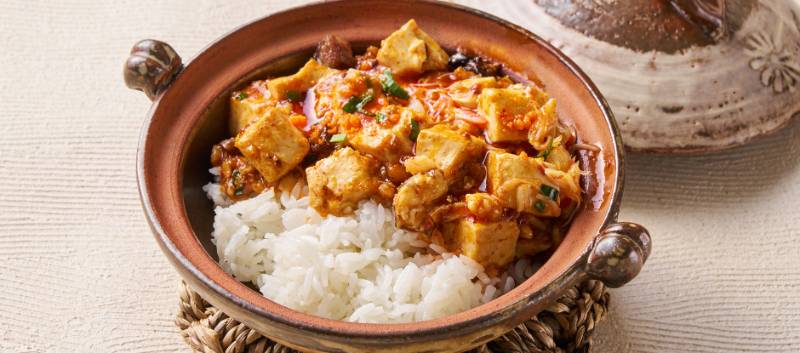
This private-rooms-only restaurant set in a bamboo-lined alley is worth seeking out. In the vibrant Chao Yang Qu district of Beijing, Chef Dee named the restaurant after the pivotal year her journey towards creating a personal haven for Sichuan cuisine began. The menu evokes warm memories of traditional flavours and family kitchens, which are reinterpreted through a modern, refined lens. Don't miss the signature crispy tea-smoked duck with house-made Shiranui marmalade and glutinous rice.
No.51 Den
Tokyo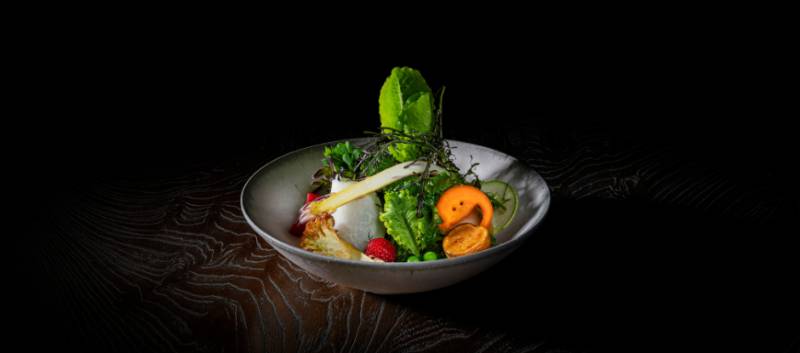
Chef Zaiyu Hasegawa's iconic restaurant is unlike any other in Japan. Creative, contemporary, accessible and welcoming whatever the season – these are the qualities of Den. Drawing on his training in kaiseki (Japan's elegant multi-course cuisine), Hasegawa's menus incorporate a diverse range of influences from Japanese home cooking to fast food favourites, plus nuances gleaned from his frequent overseas travels and collaborations. Be prepared for unexpected idiosyncrasies.
The list of Asia's 50 Best Restaurants 2026, sponsored by S.Pellegrino & Acqua Panna, will be revealed live from Hong Kong on Wednesday 25 March.