From room service for pets to rural retreats with beekeeping experiences, the world's leading properties are keeping hospitality fresh.
Luxury hotels have long traded on discretion, design and the promise of effortless comfort. But in 2026, the world's most ambitious properties are shapeshifting into something far more seductive – part wellness cult, part concept store, part sci-fi playground – all designed to enhance not just how we travel, but how we live, dress, eat, socialise and even relate to our pets.
Blame it on AI fatigue, status anxiety or our collective craving for meaning, but guests are no longer impressed by thread count alone. They want stories, skills and a sense that their hotel "gets" them on a deeply personal level. The result? A new era of hospitality where you might churn butter at breakfast, be massaged by a robot at noon and book your dog in for a facial before dinner. These are the trends reshaping this new definition of luxury.
1. Rural renaissance 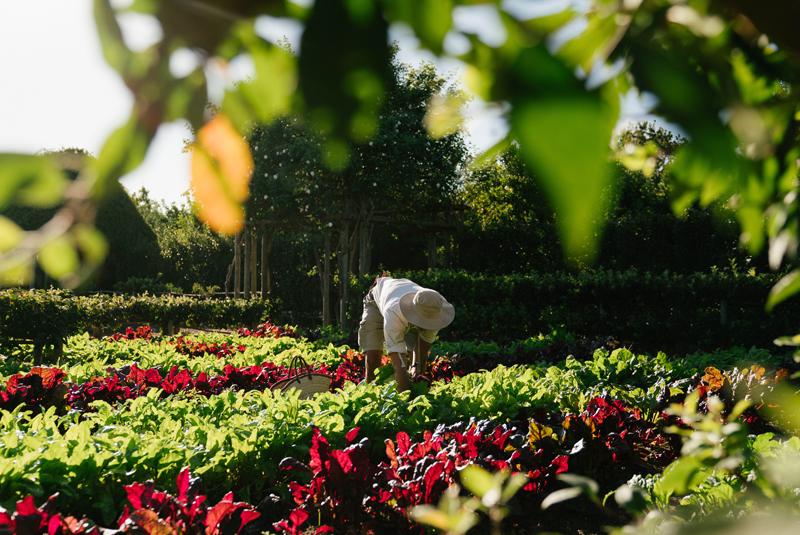
The garden at Babylonstoren in South Africa is home to 12 acres of cultivated fruit and vegetables
Have you ever milked a cow? As urban burnout intensifies and AI saturates daily life, luxury travellers are retreating to the countryside in search of grounding, fresh air and ancestral skills. Far from being a place to merely "switch off", today's rural hotels are becoming hands-on campuses for regenerative living, inviting guests to engage with the natural world. Tapping into a deep-seated yearning for self-sufficiency, guests can learn about beekeeping, herbal medicine and foraging, while restaurants double as showcases for hyperlocal agriculture and closed-loop cuisine.
Consider Azuma Farm Koiwai in Japan, which opened in spring 2026 and was co-developed by Adrian Zecha, the founder of Aman. Here, visitors can commission a bespoke iron teapot to be cast by a master craftsman or harvest wasabi. Another recent opening on the Swedish island of Gotland is Sibbjäns, which has transformed a 19th-century horse farm into a rural retreat with 22 rooms, a natural pool and greenhouses for vegetables. 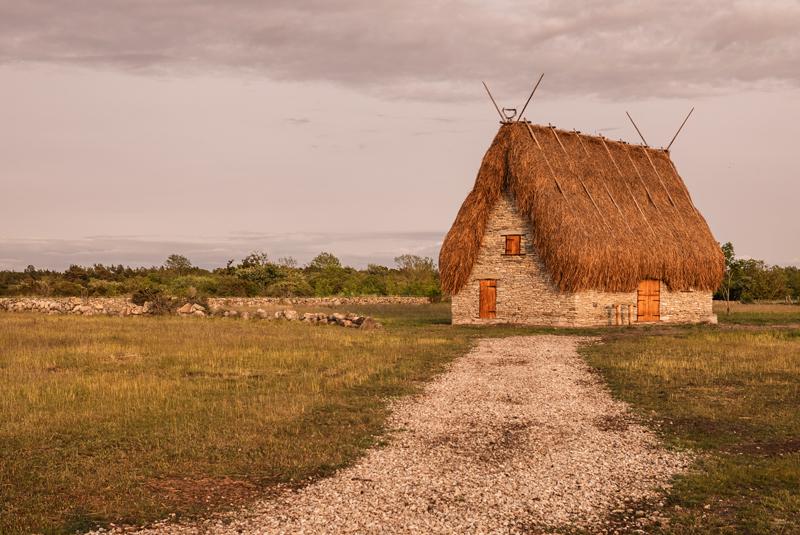
The Sibbjäns property has a yoga barn with a traditional thatched roof made of local sledge grass
A pioneer of the trend is Babylonstoren in South Africa, which has breathed new life into an old Dutch Cape farm in the Franschhoek wine valley. The estate's sprawling edible garden features 15 distinct clusters dedicated to everything from berries, citrus and stone fruits to herbs, bees and free-roaming ducks, with water channels fed naturally by a mountain stream. The Newt in south-west England is similarly utopian and helps impart generational knowledge about everything from fermentation to drystone wall building with celebrated drystone waller Tom Trouton.
2. Robo butlers 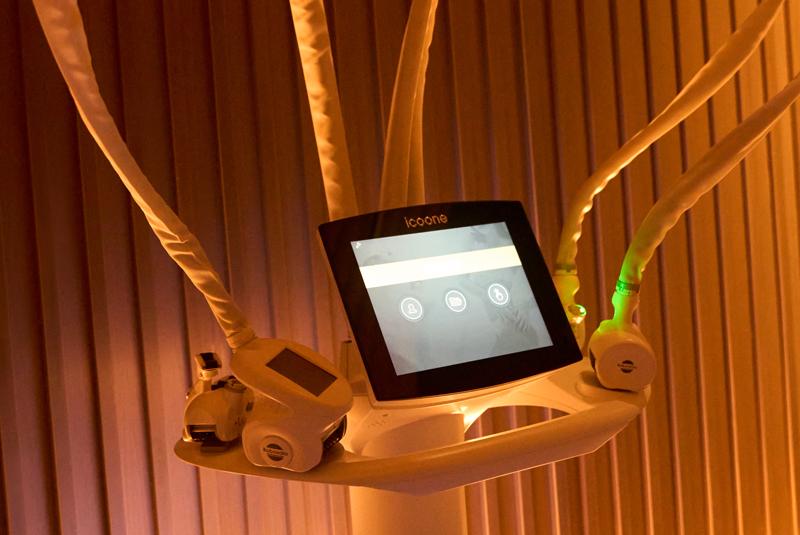
By using 3D body scanning, heated silicone-padded "hands" and a touchscreen interface, Aescape's robotic masseuse provides massages
You only have to look at China to see the future – here, room service delivery droids are commonplace in hotel lobbies, while in 24-hour spas, they glide down corridors transporting food and drink to people as they relax. Although this trend has been simmering at the fringes for some years, robotics are now beginning to enter hospitality not as novelties, but as premium service tools designed to enhance efficiency and smooth guest interactions – generative AI now means they can converse in multiple languages, and even cook and clean. 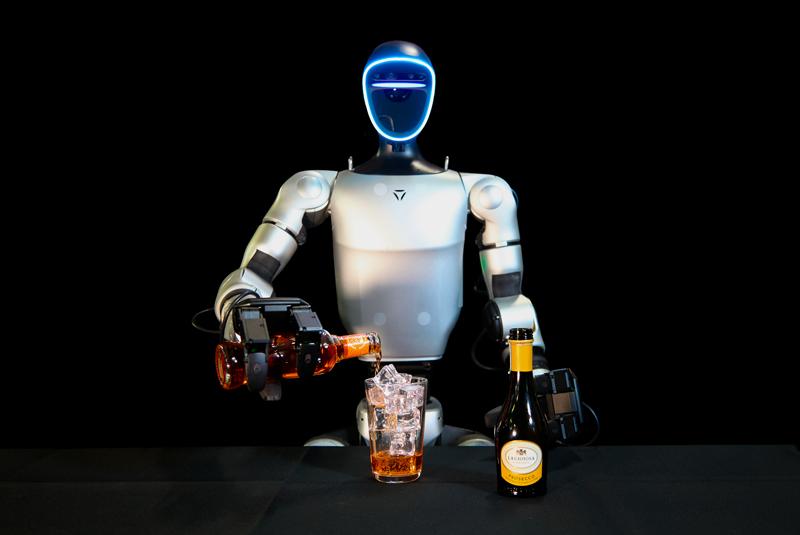
The robotics company Makr Shakr engineers robo-bartenders who can prepare, shake, stir and serve drinks according to recipes
Last year, the Shangri-La Traders Hotel at Shanghai Hongqiao Airport became one of the first hotels to deploy humanoid, "embodied", service robots for daily tasks such as greeting guests, delivering items and managing luggage. They are even classed by the hotel as "employees". In Indonesia, sister property to the Four Seasons Bali at Sayan, the Four Seasons Resort Bali at Jimbaran Bay has a robot on caterpillar tracks that cleans the beach, gathering plastic, paper and seaweed for upcycling. Even more impressive is Aescape's twin-arm robotic masseuse that gives ultra-precise massages – if you're staying at the Equinox Hotel Hudson Yards in New York, you can walk along the High Line to the Equinox gym at street level and try one. This year, Makr Shakr unveiled its next-gen humanoid bartender Robi, which has been designed to mix cocktails at even the most upmarket of bars.
3. Check-in merch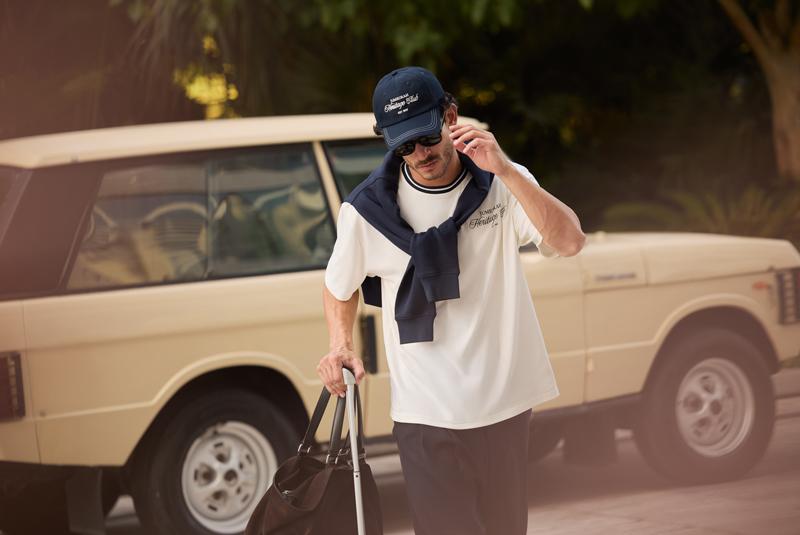
Jumeirah launched its unisex capsule Jumeirah Heritage Club in November 2025
From tote bags to tennis whites, luxury hotels are increasingly behaving like fashion and lifestyle brands, launching collectible capsule collections that allow guests to buy into a property's aesthetic. Branded pyjamas, fragrances, ceramics, luggage and even hotel mattresses are becoming status-signalling souvenirs that extend the guest relationship beyond the stay itself. The rise of "check-in merch" reflects the growing overlap between hospitality, fashion and social media culture, where hotel identity has become a form of personal branding.
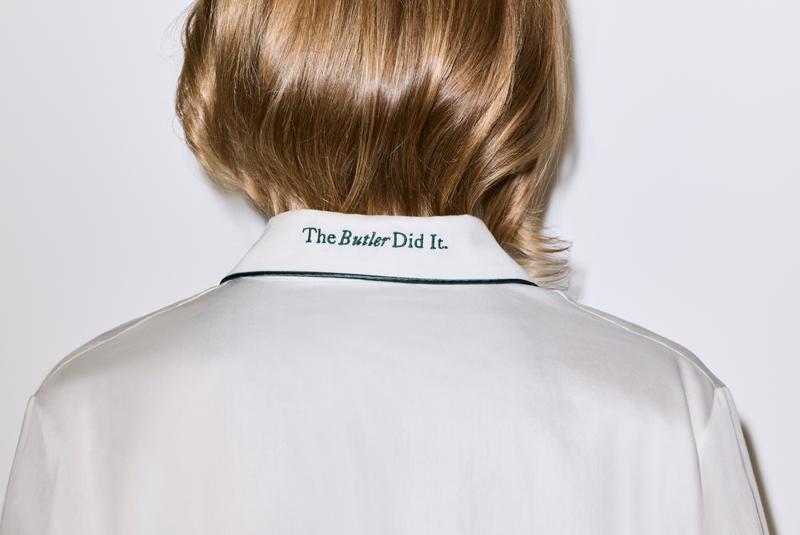
Raffles leans into its reputation for personalised butler service with its fashion collection
Earlier this year, Raffles launched "The Butler Did It" Collection, sold exclusively through Printemps in Paris and New York, featuring collaborations with brands including Globe-Trotter, Frette and Christofle – a dedicated e-commerce platform is planned for autumn 2026. W Hotels already has its own online store where you can buy signature bedding, candles and slippers, as does the Standard, which has properties including The Standard East Village in New York, which stocks co-branded merchandise such as Paperboy hoodies and Crash Baggage suitcases. At the end of last year, Jumeirah debuted a capsule collection of unisex jumpers, T-shirts and caps, "Jumeirah Heritage Club," in collaboration with Dubai-based label Bouguessa. Then there is the Ritz Paris, which has partnered with French brand Frame on an array of ready-to-wear cashmere sweaters, wool scarves and silk pyjamas emblazoned with the hotel's iconic wordmark.
4. Dogenomics 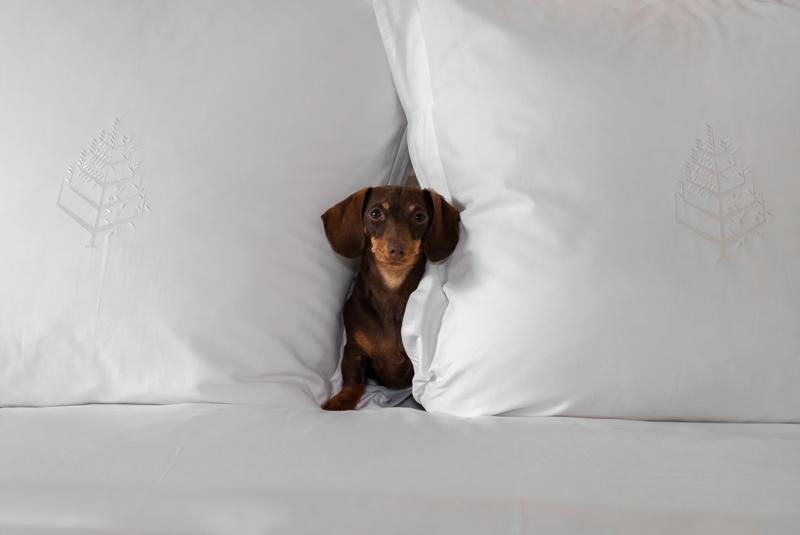
At the Four Seasons Beverly Wilshire, canine guests are welcomed with amenities like plush dog beds, water bowls and piddle pads
Dogs are becoming one of hospitality's most valuable customer segments. As pet ownership rises globally – particularly among millennials and Gen Zs – hotels are redesigning experiences around canine companionship. Luxury travellers increasingly view pets as family members rather than logistical burdens, creating demand for hospitality that caters equally to humans and animals. 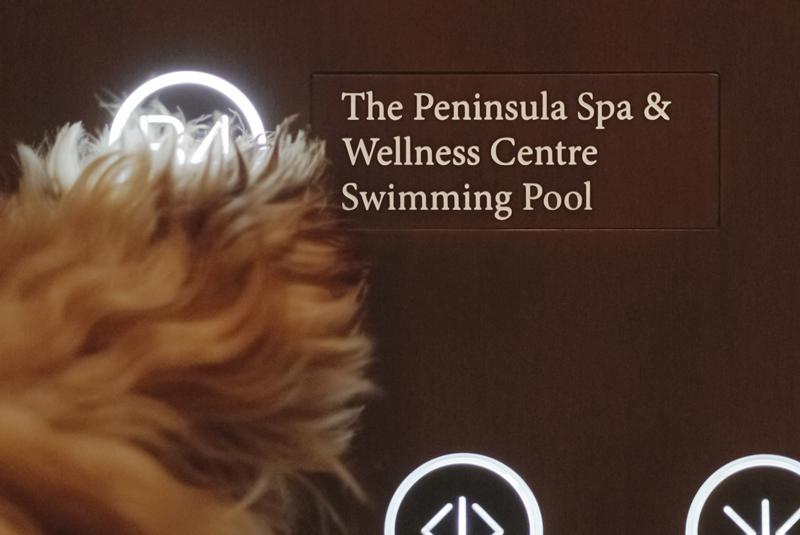
The Peninsula London's dog-friendly spirit extends throughout the hotel, from Brooklands Bar to Canton Blue and Little Blue Noodle Bar
Take The Peninsula London, which this spring became one of the first hotels in the capital to offer a pop-up dog-grooming parlour – in this case catered by groomer and boutique Love My Human – introducing services such as blueberry facials, ultrasonic teeth cleaning and full grooming packages. At the tail end of 2025, Virgin Hotels London Shoreditch began serving doggie room service with fillet steak, beef tartare and even 'Paw Star Dog Martinis' with a chicken broth base. The 1 Hotel South Beach in Miami is one of a rising number of top-tier hotels that welcome dogs for free. Plus, it has a canine concierge who can supply information about the city's best dog parks and pet shops, provide treats and bedding. The Four Seasons Beverly Wilshire in LA is similarly welcoming of pooches, delivering macaroni, tuna and broccoli salad to suites on demand and even extras like a side of rice or a peanut butter cookie.
Discover more fantastic bars, restaurants and hotels with 50 Best Discovery, and start planning your next adventure.