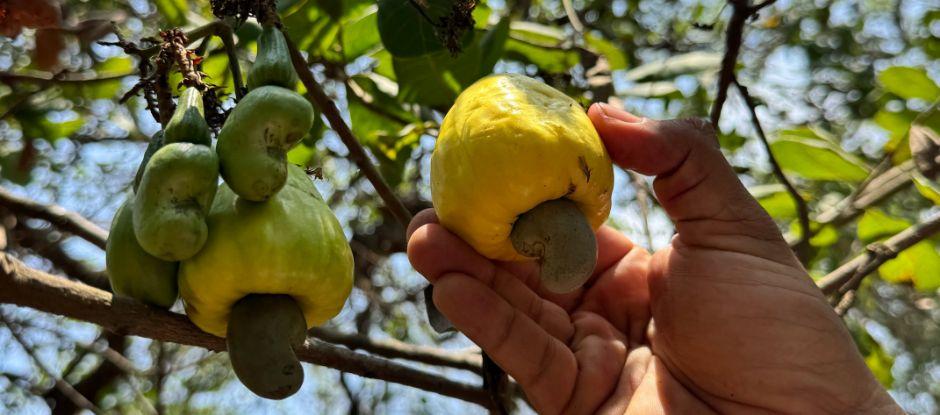
Feni has been part of the fabric of Goan culture for generations, but its recent addition to cocktails has propelled it onto the global stage.
In Goa, feni isn't just a drink, it's a liquid embodiment of the region. Made from cashew fruit or coconut sap, this punchy, double-distilled spirit is staging a comeback locally and in bars around the world: raw, native, complex and unmistakably Goan.
A heritage spirit with deep roots
Since 2009, feni has held Geographical Indication status (like champagne or mezcal), and is rooted in local production and tradition. Brought over by the Portuguese in the 1500s, cashew trees are now a staple of the landscape in Goa, which is the only place on earth that turns the fruit into booze.
Making feni is labour-intensive. It starts with the stomping of cashew apples under the hot Goan sun, which are then left to ferment in clay pots buried underground. The juice is distilled over an open flame, once to make uraak – a light, fruity drink – and twice to make feni, which comes out stronger and more complex. It's a 400-year-old method that hasn't changed much over time. 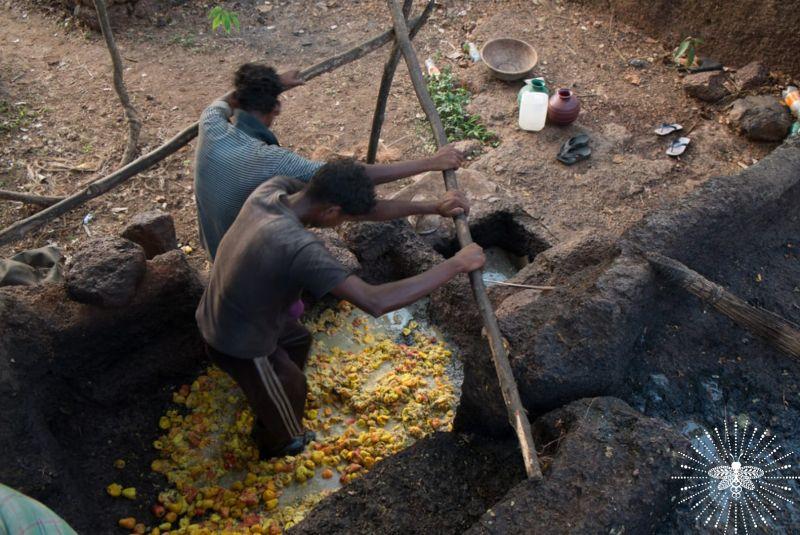
Workers crushing cashew fruit with their feet (Image: Hansel Vaz)
Founder of F&B consulting agency Countertop India Pankaj Balachandran says that feni brings together terroir, tradition, and story: "Feni is unapologetic and honest – the perfect representation of the land it comes from."
Feni farmer and founder of Cazulo – one of India's first craft feni distilleries – Hansel Vaz says: "It is a spirit whose flavours range from the exotic cashew fruit to the mystique of native produce like duksham and kokum, representing an understanding of distillation that is both revered and cherished."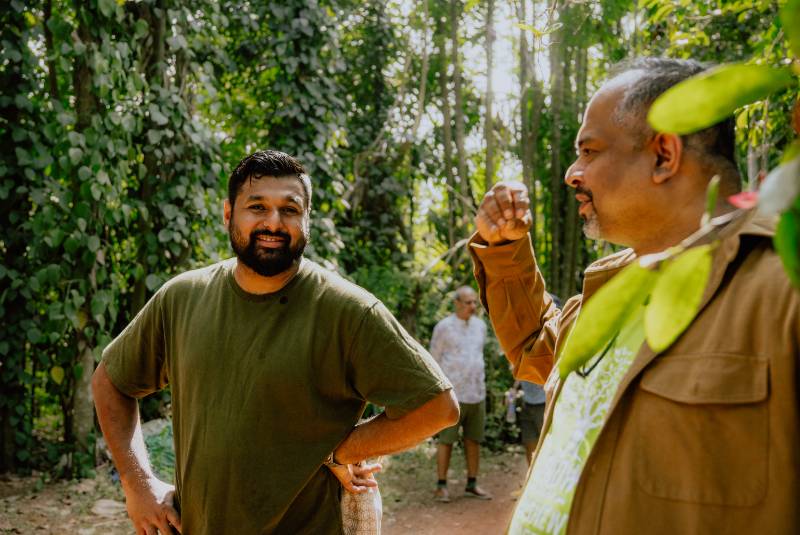
Pankaj Balachandran and Hansel Vaz (Image: Hansel Vaz)
From pre-industrial spirit to modern mixology
Once written off as local hooch, it's clear that feni is finally getting its moment. Younger drinkers and global markets are catching on, whether it's sipped neat or mixed with lemon-lime soda and fresh chilli – a Goan afternoon fix. It's now earning the kind of respect long-held for spirits like tequila and mezcal, with bartenders leaning into the funky aroma, tannic mouthfeel and mutable flavour.
At Hideaway Café in Goa, bar owner Sheldon Abranches hosts The Big Fat Uraak Party (a weekly celebration of the fruit's first distillation) in a bid to raise its profile. Other players like Balachandran and Vaz are leading foraging and tasting experiences, creating a link between farmers, producers, artisans and bars. "Hansel brings the cultural and historical depth of feni, while I integrate it into a modern bar programme that's ingredient-driven," says Balachandran.
Balachandran's most recent project, The Lab at Amaaranth, is all about hyper-local principles. "Over 80 per cent of our ingredients are sourced within a five-kilometre radius, and the waste from the bar is composted and sent back to the farms, closing the loop." Guests walk away with more than just a drink in hand – they leave with a connection to the land, and an environmental conscientiousness for the production of spirits.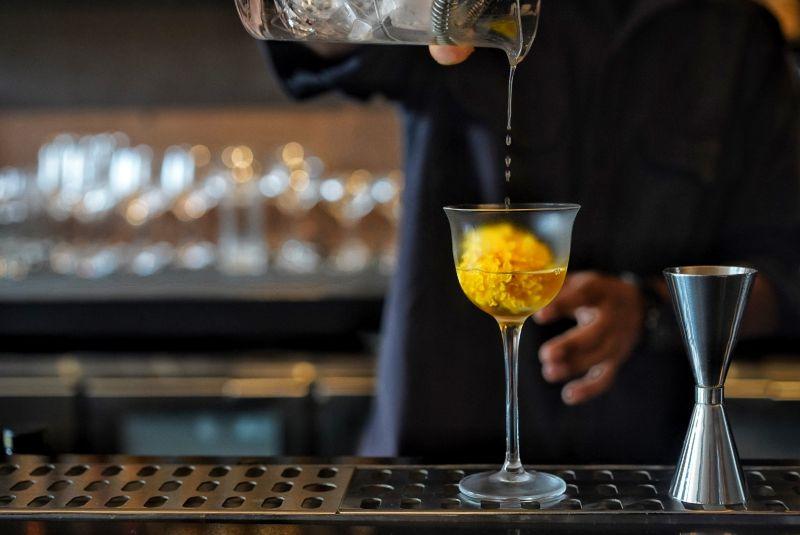
The Lab at Amaaranth counts feni within its ingredient collection (Image: Sophie Steiner)
And it's not just a local affair. Bartenders from Japan, Singapore and Europe are tasting feni and taking it home with them. Even Hiroyasu Kayama, owner of Tokyo's Bar Benfiddich (No.25 on the World's 50 Best Bars 2024), has started making cocktails with feni. Mondrian Duxton Singapore's Jungle Ballroom's aptly named drink – the Goa – features feni shaken with brandy, passionfruit and mango for a riff on a tropical sour, while Danico and Little Red Door in Paris and Moebius in Milan keep the spirit on hand for specialty pours.
Preserving the legacy
As interest grows, so does the need for education. Many people's first taste comes from rough, industrial versions, which does the spirit little justice. Priyanka Blah, Academy Chair for India, Sri Lanka, Nepal, Bhutan and Maldives for The World's 50 Best Bars, says getting the story straight is key. "What Cazulo and a few other brands are doing is critical to demystifying the category and giving it the respect it deserves." That way, producers can promote not just the spirit but a connection between drinkers and the land from which it comes.
The future is feni
The future of feni is about making it relevant for today's drinkers. "We're focused on building a slow, steady movement with integrity, consistency, and soul. And that's why people are starting to pay attention," says Balachandran, sipping from a frothy tumbler of Indian sarsaparilla-infused feni.
As feni spreads beyond Goa, the goal is to see it used beyond niche curiosity, and instead a staple in any spirit line-up. "In five years, I hope Goa is known not only for beach sunsets, but as the terroir of India's most profound spirit," says Balachandran.
Discover more fantastic restaurants, bars and hotels with 50 Best Discovery, and start planning your next adventure.