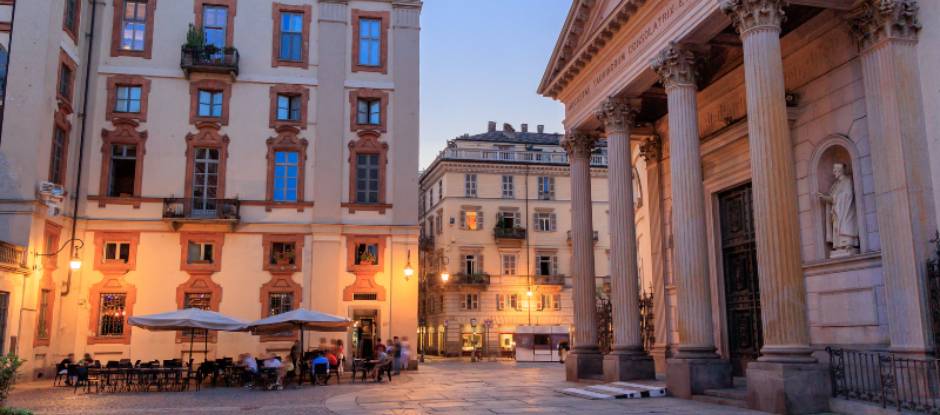
From cultural pastime to global phenomenon, the Italian ritual of aperitivo – pre-dinner drinks and snacks – continues to captivate food lovers worldwide. Here’s everything you need to know about the Piedmont-born tradition.
Between 6 and 8pm, towns across Italy fill with people gathering for aperitivo – a daily ritual of drinks, bites and conversation. In a country where every few kilometres reveal a new pasta shape, few customs unite Italians like this one.
As the sun sets, bars brim with locals leaning at counters or lounging in piazzas, sharing news and stories from the day. Drinks are typically accompanied by snacks – olives, cheeses, breadsticks – most often included in the price, though this can vary by region and venue. What remains unchanged is the collective pause to whet the appetite before dinner, a moment of connection and relaxation refined into a social ceremony.
Despite its everyday presence, many remain unaware of aperitivo’s roots. Its history is deeply linked to Turin, the capital of Piedmont in northwest Italy – and the host city and region for The World’s 50 Best Restaurants 2025 – as well as to the invention of vermouth and the influence of the House of Savoy. All have played a key role in shaping the ritual as we know it today.
A sip of history
The idea of stimulating the appetite before a meal dates back to ancient Rome, where banquets began with a ‘gustatio’ — light bites paired with mulsum, wine sweetened with honey. The Latin ‘aperitivus’, from aperire (to open), described medical substances that sparked the appetite, becoming the origin of aperitivo, a drink meant to ‘open the stomach’ before eating.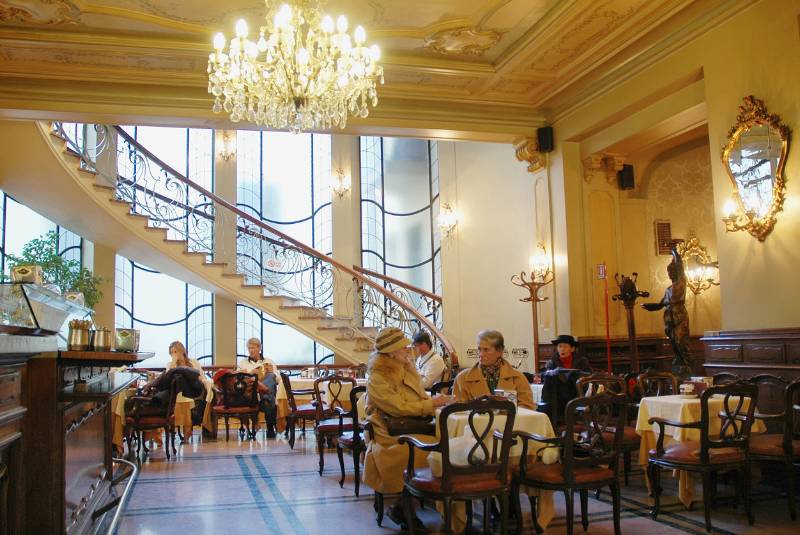
Turin is famed for its elegant architecture, and its historic cafés are no exception (Image: Visit Piemonte - Can't Forget Italy)
While the concept persisted for centuries, it wasn’t until 1786 that aperitivo began to take modern shape, when Turin-based herbalist Antonio Benedetto Carpano crafted a new infusion using sweet Piedmontese moscato wine, fortified with neutral alcohol and infused with some 30 herbs and spices. Central to the mix was wormwood – ‘wermut‘ in German – the bittering agent that inspired the name vermouth. He balanced it with sugar, creating an aromatic and complex fortified wine.
Carpano served his creation in a small shop near Piazza Castello in Turin, opposite the Royal Palace. Legend has it he sent a crate to King Vittorio Amedeo III of the House of Savoy, who embraced it, elevating vermouth’s status and spurring commercial production. Transforming fortified wines from medicinal tonics into drinks of pleasure, vermouth became the first commercially sold aperitivo.
From tradition to trend
By the mid-19th century, Turin had become a hub of café culture, where aristocrats and socialites gathered daily to drink, eat and while away the afternoons. While vermouth remained enduringly popular, each reputable café also had its own ‘maître licoriste’ crafting signature aperitivi – drinks lower in alcohol, often bittersweet, and meant to awaken the palate.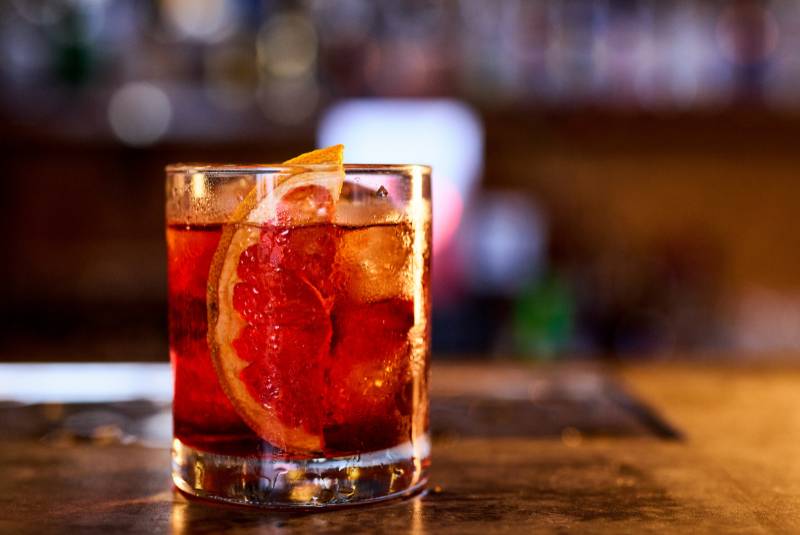
The ever-popular negroni was invented in 1919 (Image: Visit Piemonte - Getty Images)
This culture flourished alongside the city’s growing political and cultural influence under the Savoy dynasty, and when the Kingdom of Italy was unified in 1861, Turin was named its first capital, reinforcing its role as a tastemaker in Italian lifestyle and leisure.
Many aperitivo classics emerged in this era. The Milano-Torino, born in the 1860s, combined Campari from Milan and Turin’s sweet vermouth; with the addition of soda, it also became the americano. The negroni followed in 1919, when Count Camillo Negroni requested gin in place of soda. Aperol also debuted that year, though the now-iconic aperol spritz only gained traction decades later.
Aperitivo’s golden age continued post-World War II, when northern Italy’s cafés and bars became stages for la bella figura – making a good impression. In Piedmont, brands like Martini scaled up production, exporting vermouth and the culture of aperitivo worldwide.
Today, aperitivo customs vary across Italy. In Milan, the ‘apericena’ (aperitivo that becomes cena, or dinner) takes the form of generous buffets. In Venice, ‘cicchetti’ (small plates of seafood, polenta and more) accompany a glass of spritz or local wine. Regional differences abound, reflecting local food culture, but all share the same spirit of timeless conviviality.
A torinese experience
In Turin, aperitivo remains faithful to its roots. In true Italian fashion, it’s not about excess: drinks are usually light in alcohol, and bites, known as ‘stuzzichini’ (from ‘stuzzicare’, or to tease), are designed to whet the appetite.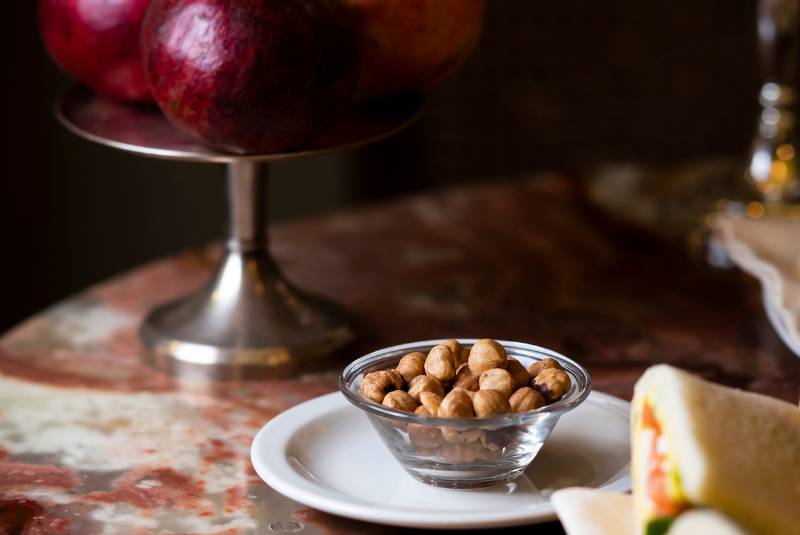
Light bites like hazelnuts, local cheeses, anchovies and grissini are seved alongside drinks (Image: Visit Piemonte - Getty Images, Giorgio Perottino)
Historic cafés, such as Caffè Torino, Caffè Mulassano and Caffè San Carlo, offer aperitivo in sumptuous settings with chandeliers, stucco ceilings and marble counters. These ‘salotti torinesi’ (Turin’s living rooms) invite guests to sip where royals, artists and intellectuals have gathered for generations. The food reflects Piedmont’s pantry: local cheeses, anchovies, ‘tramezzini’ (crustless sandwiches said to have been invented at Mulassano in the 1920s), and ‘grissini’ (crunchy breadsticks created in 17th-century Turin to aid a young duke’s digestion).
Turin has also embraced a wave of modern experimentation. Craft cocktail bars, biodynamic wine lists and fusion stuzzichini breathe new energy into the tradition. For instance, La Drogheria serves inventive cocktails with globally inspired bites, often featuring guest bartenders. Lounge bar Lobelix offers a diverse and filling apericena. Floris House, a café-boutique-perfumery hybrid, pairs curated drinks with refined savoury snacks.
Whether perched in a historic café or sipping a modern spritz, Turin’s aperitivo tradition lives on – a blend of taste, time and togetherness. Though it has spread far beyond Turin, the ritual’s roots run deepest here, in the birthplace of vermouth and hub of café culture, as the city continues to lead the way in the art of aperitivo.
The list of The World’s 50 Best Restaurants 2025, sponsored by S.Pellegrino & Acqua Panna, will be announced on Thursday 19 June from Turin, Region of Piedmont.