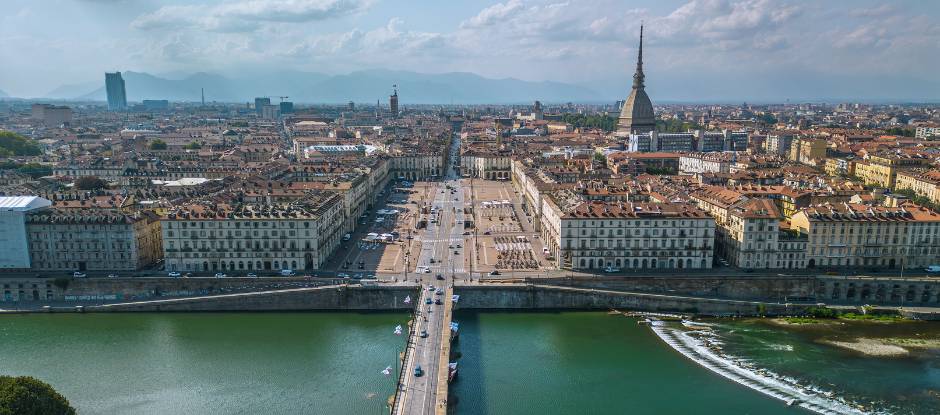
From Alba white truffles to vitello tonnato, the Italian birthplace of the Slow Food movement has it all.
Piedmont is a gastronomic heartland waiting to be discovered. With Alpine peaks, vineyard-strewn hills and fertile plains, its varied landscape shapes one of Italy’s most underrated regional cuisines. As the region prepares to host The World’s 50 Best Restaurants 2025 events in June, here are 10 local delicacies every connoisseur should seek out.
Alba white truffle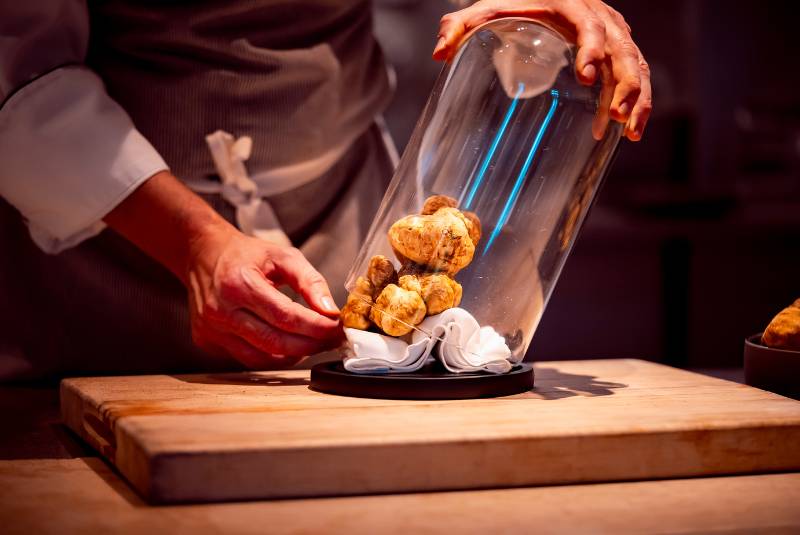
[Image courtesy of Visit Piemonte, Saverio Pisano]
The pale, amber-like skin. The magnificent marbling. The unmistakable aroma that drifts across the dining room. The eye-watering price tag. You may know white truffle, but its rarest and most prized variety proudly carries a Piedmontese name: tartufo bianco d’Alba. Each year, a strictly regulated hunt takes place in the surroundings of the city of Alba, culminating in the Alba White Truffle Fair from October to December. If you are lucky enough to visit in season, don’t miss tajarin 40 tuorli (traditional pasta made with 40 egg yolks per kilo of flour) topped with truffle, the truffle-centric tasting menus at fine dining stalwarts Piazza Duomo or Antica Corona Reale, or the more casual truffle dishes at Enoclub.
Vermouth di Torino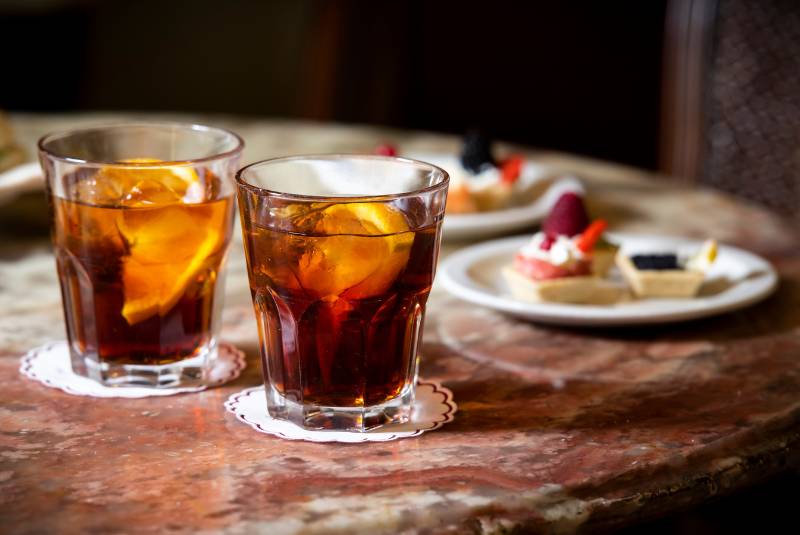
[Image courtesy of Visit Piemonte - Getty Images, Giorgio Perottino]
A rich and enticing fortified wine, so prized by Italians it earned a Protected Geographical Indication and inspired the creation of its own consortium, Vermouth di Torino finds its roots in the 18th century, when Turin was the home of the Savoy kings of Italy. Today, companies like Martini modernise its production while honouring tradition. A secret blend of herbs, spices, flowers and roots is infused into high-quality wine; sugar is added; then the concoction is stored in stainless steel vats for a richly aromatic result. Try it at almost any Turin bar in the iconic negroni or americano, sip it with mint soda at Bar Cavour, or taste all its iterations – from dry to sweet – at the historic Caffè Mulassano.
Fassona beef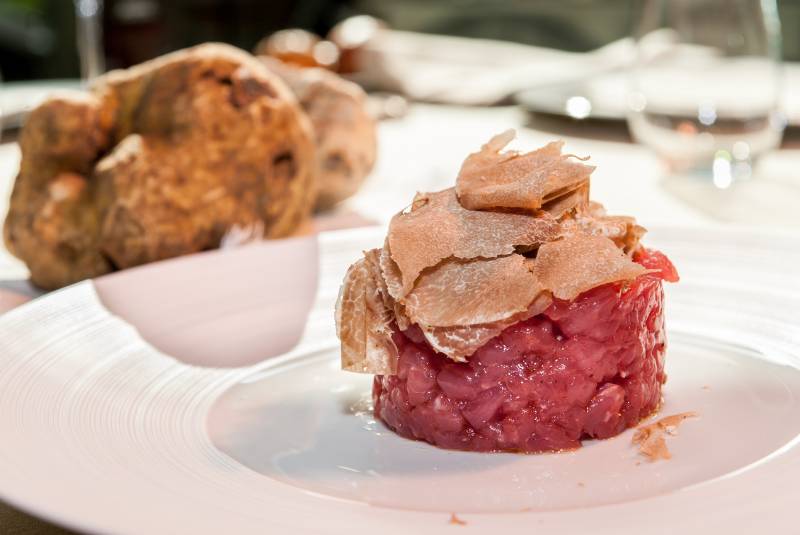
[Image courtesy of Visit Piemonte - Getty Images]
The razza piemontese, or Fassona cattle, is protected for its biodiversity value as a Slow Food Presidium. This white-coated, muscular local breed produces lean meat enriched with delicate marbling, sought after by connoisseurs across Italy and beyond. Leading producer La Granda is a champion of sustainability, with a restaurant and meat shop in Genola offering a taste of the outstanding product. Taste Fassona beef across Piedmont in classic dishes like carne cruda all’albese – Alba-style tartare simply seasoned with olive oil, lemon, salt and pepper – or explore dedicated menus at restaurants such as Ristorante Consorzio and Bifrò la Bistecca Frollata in Turin, or Ca’ del Profeta in Serralunga d’Alba.
Barolo wine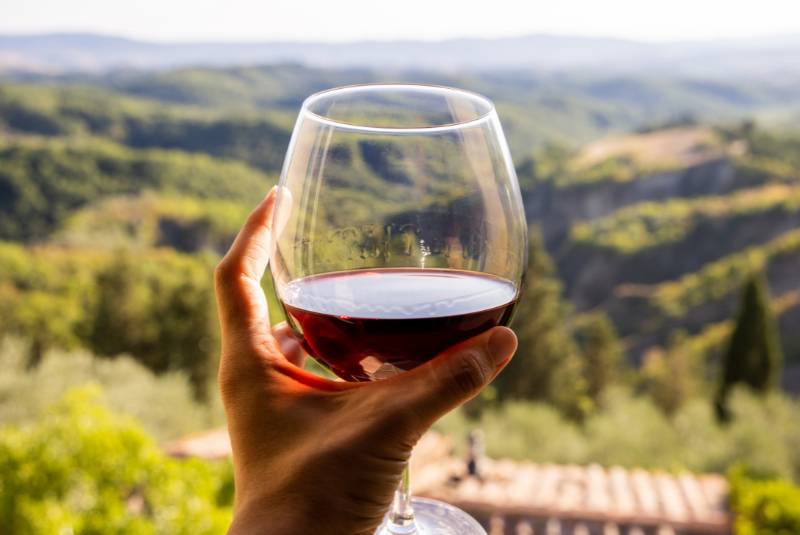
[Image courtesy of Visit Piemonte - Getty Images]
The pride of Piedmont’s vineyards, Barolo has been nicknamed ‘the wine of kings and the king of wines’. Made exclusively from nebbiolo grapes and protected with a DOCG, it offers berry aromas, bright acidity and firm tannins, in some of the world’s most collectible bottles. Many local dishes also celebrate its qualities, from brasato al Barolo (beef stew, a standout at Osteria del Boccondivino in Bra, the birthplace of Slow Food) to the uniquely red risotto al Barolo. Don’t miss visiting renowned vineyards like Ceretto, Vietti, Elvio Cogno or Michele Chiarlo.
Castelmagno cheese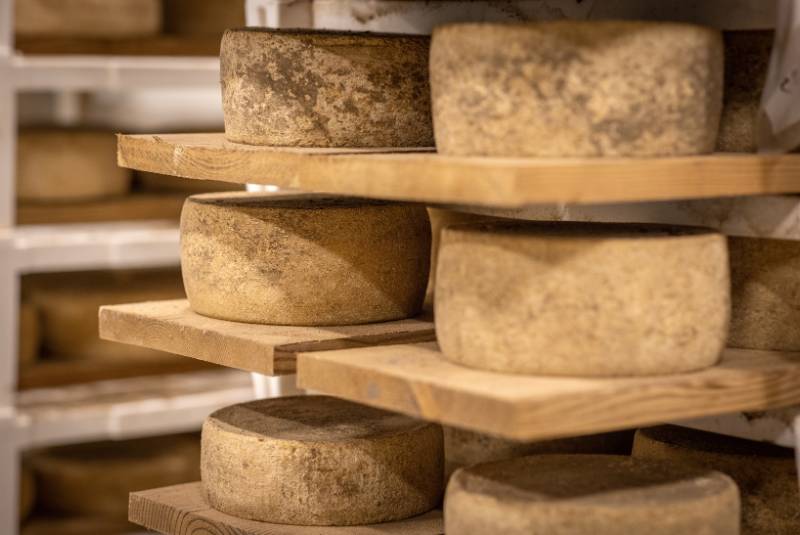
[Image courtesy of Visit Piemonte, I.Com Multimedia]
Another Piedmontese product with protected denomination of origin, Castelmagno dates back to the 13th century. The production method hasn’t changed: it’s traditionally made with raw cow’s milk and a touch of goat’s milk – exclusively from animals grazing above 1,600m. As Piedmont’s pasture cheese par excellence, it can be enjoyed young (delicate and salty) or after maturation in tuff caves (crumbly, savoury and piquant), famously enriching gnocchi and risotto sauces with its pungent aroma. Producers are centred around Castelmagno town, where La Meiro also runs a restaurant: taste it there or at Rifugio Fauniera, perched at 2,300m and home to a 6km relay race with a 5-kilo Castelmagno as the baton every October.
Agnolotti del plin pasta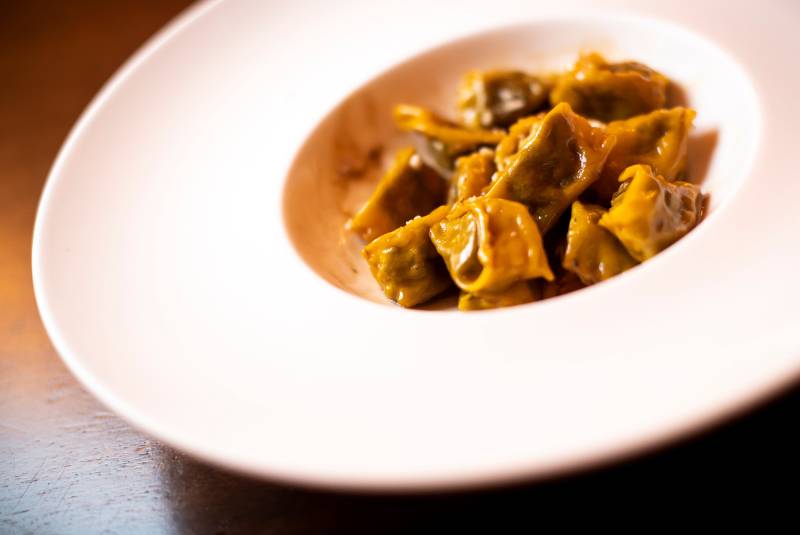
[Image courtesy of Visit Piemonte, Getty Images, Giorgio Perottino]
Unless you try agnolotti del plin, you haven’t truly tasted Piedmont – though this beloved dish is so rooted in local culture, it’s near-impossible to miss when dining out. The little beef-and-vegetable-filled pasta parcels, with a pinch (plin in the local dialect) in the middle, come in every possible version: true to tradition at Osteria dell’Arco in Alba; served with the beef’s own roasting juices at Trattoria La Coccinella in Serravalle Langhe; elevated at Alessandro Mecca’s restaurant inside the historic Grinzane Cavour castle; or creatively reimagined with sweetcorn cream and bone marrow reduction at Ferran Adrià-backed Condividere in Turin.
Moscato d’Asti wine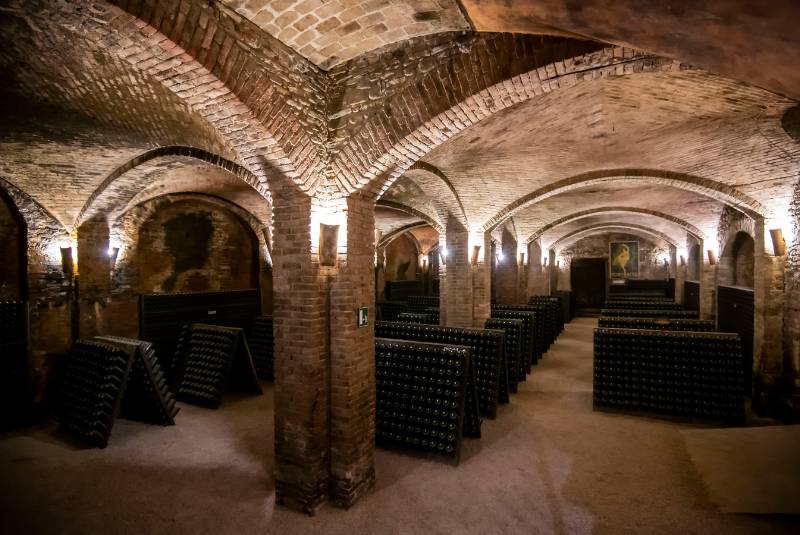
[Image courtesy of Visit Piemonte, Getty Images, Giorgio Perottino]
As far as dessert wines go, Moscato d’Asti is hard to beat on Italian tables. The protected moscato grape, prized for its aromatic sweetness, spread across the Mediterranean during Roman times, with records of a ‘fortified sacramental wine’ already made by monks in 1078. Straw yellow, floral and lightly sparkling, Moscato d’Asti pairs beautifully with hazelnut and fruit-based desserts, or more creatively as a counterpoint to spicy dishes. Discover its varieties during a vineyard visit around Asti, such as at Cascina Galletto or Paolo Saracco.
Vitello tonnato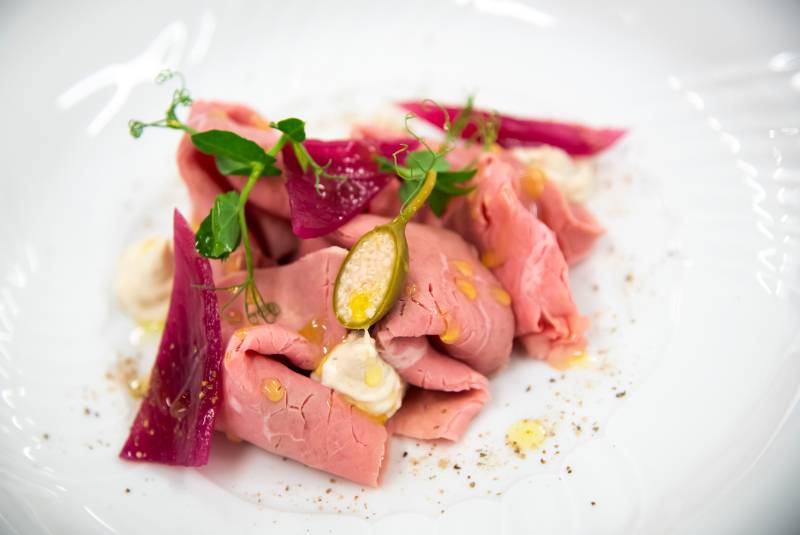
[Image courtesy of Visit Piemonte, Getty Images, Giorgio Perottino]
Thanks to its proximity to both the sea and the mountains, Piedmont often blends flavours – with vitello tonnato one of its most exported culinary inventions. The first recipe, written by Pellegrino Artusi in 1891, featured milk-fed veal boiled with aromatics and served in a tuna, anchovy, caper, oil and lemon sauce. Mayonnaise joined the mix in the 20th century, creating the rich version most popular today. Find it at restaurants across Piedmont, but don’t miss the standout classic at Ristorante Battaglino dal 1919 in Bra, or the playfully reversed tonno vitellato at Canavacciuolo Bistrot in Turin.
Bonet dessert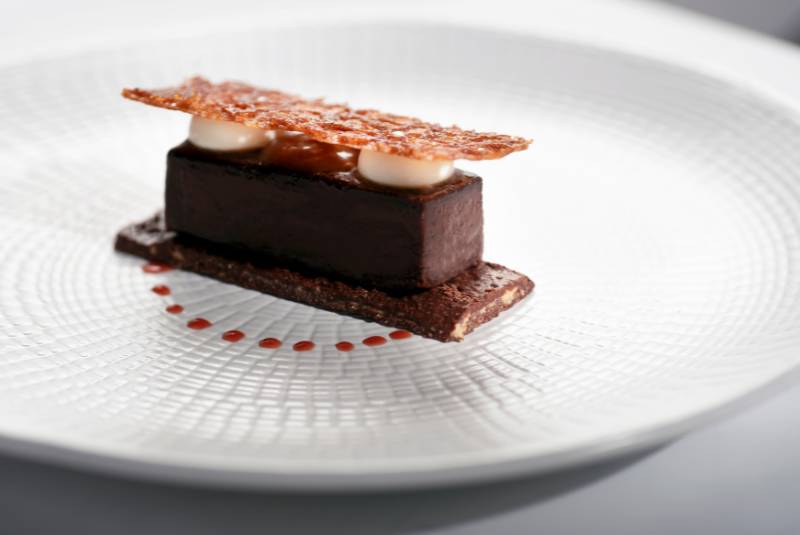
A classic of Piedmontese cuisine, bonet or bunet is the delicious union of two local culinary treasures. Like its French cousin, crème caramel, it starts with a layer of caramel, but Piedmontese magic follows: crumbled amaretti cookies and bitter cocoa powder, then rum, sugar, eggs and vanilla, all folded into a custard-like mix of boiled milk and cream. Taste a classic version at Del Cambio or Tre Galline in Turin, then stock up on chocolate from Guido Gobino or Domori and pick up perfect soft amaretti by Antica Amaretteria to recreate the magic at home.
Bagna cauda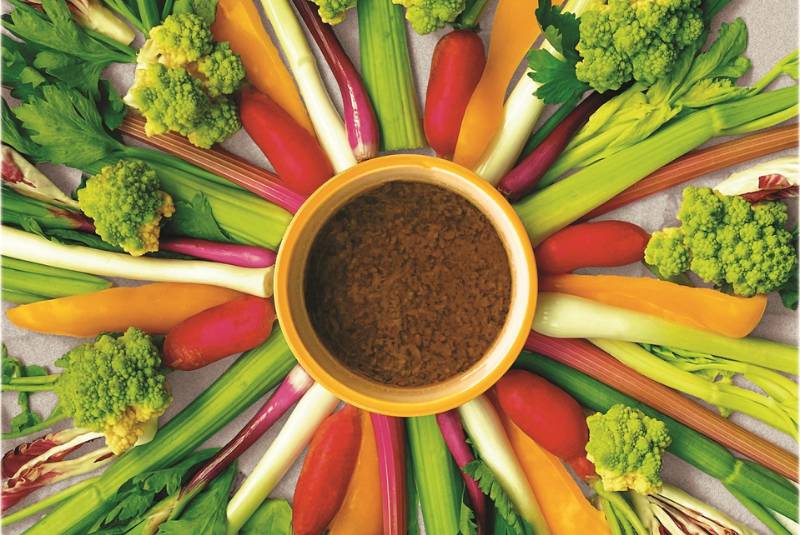
Little known outside Piedmont but loved by locals, bagna cauda is a warm garlic and anchovy-based sauce typically served in a terracotta bowl kept hot by a candle. The perfect sharing dish, it’s placed at the centre of the table and enjoyed by the whole party by dipping potatoes, onions, leeks or any seasonal vegetables. Tradition dictates that when the sauce is almost gone, you should scramble an egg into the pot – and no one would complain over a few truffle shavings on top. Try it at rustic restaurants Alle Tre Colline or Ristorante Quattro Colonne, and if you become a fan, don’t miss Bagna Cauda Day in late November, when eateries across Italy and beyond celebrate the traditional preparation.
The list of The World’s 50 Best Restaurants 2025, sponsored by S.Pellegrino & Acqua Panna, will be announced on Thursday 19 June from Turin, Region of Piedmont.