In partnership with the Croatian National Tourist Board
Dodge the tourist traps and get the inside scoop from the top chefs in Croatia.
Sun or snow, Croatia shines year-round. In winter, sample Pag lamb – raised on the island's herb-filled pastures – and return in summer for freshly grilled Adriatic sea bream. Across the country, a new generation of chefs is revitalising Croatian cuisine by blending local ingredients with culinary heritage. From Zagreb in the north to Rovinj on the western coast, five leading chefs reveal what makes Croatia's dining scene so enduringly distinctive.
Matija Bregeš, Executive Chef
Boškinac, Pag, Lika Senj
@hotelboskinac
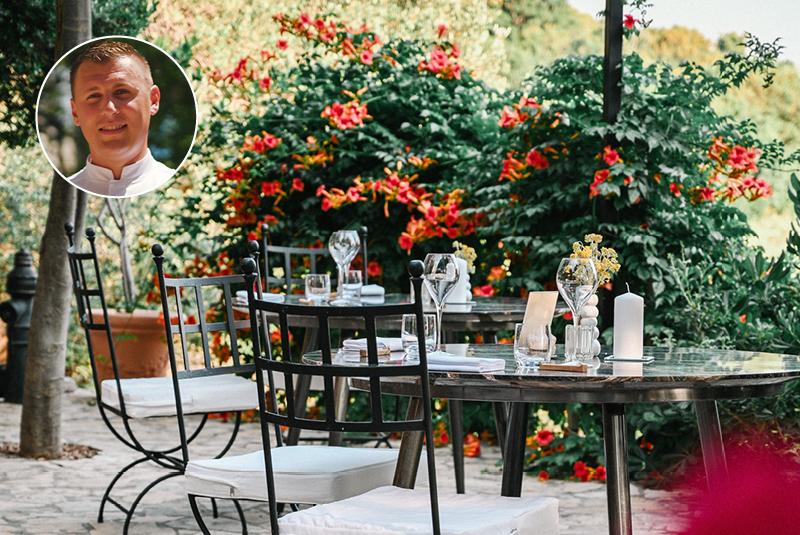
What most stands out about Pag island?
Pag is particularly known for its nature, quality ingredients and stretches of rocky landscape. Fermentation and preservation have long been vital here, inspiring the island's famed Pag cheese – sharp, crystalline and salty, making it a versatile ingredient, ripe for experimentation. I'm also especially fond of dishes that use lamb reared on the island: its flavour comes from a grazing diet of wild herbs, sage, rosemary and salty wildflowers that grow in the karst terrain.
Where do you eat when the weather cools?
For its excellence and evolution, Pelegrini in Šibenik sets the benchmark for Croatian gastronomy. Though he stays true to his roots, chef Rudolf Štefan's curiosity is deeply inspiring – each visit is a masterclass in balance between tradition and innovation.
Top restaurant in Croatia?
When it reopens in spring 2026, make sure to visit Starac i More in the coastal town of Novalja. Family-run since 1999, the young and passionate chef Sanja Belac is boldly offering a tasting menu (rare in the region) centred on regional seafood. Wine lovers will also appreciate its ambitious, evolving wine list. One standout dish is the crab salad (salata od rakovice): fresh, vibrant, and delicately balanced.
Rudolf Štefan, head chef and owner
Pelegrini, Šibenik, Dalmatia
@pelegrini_sibenik
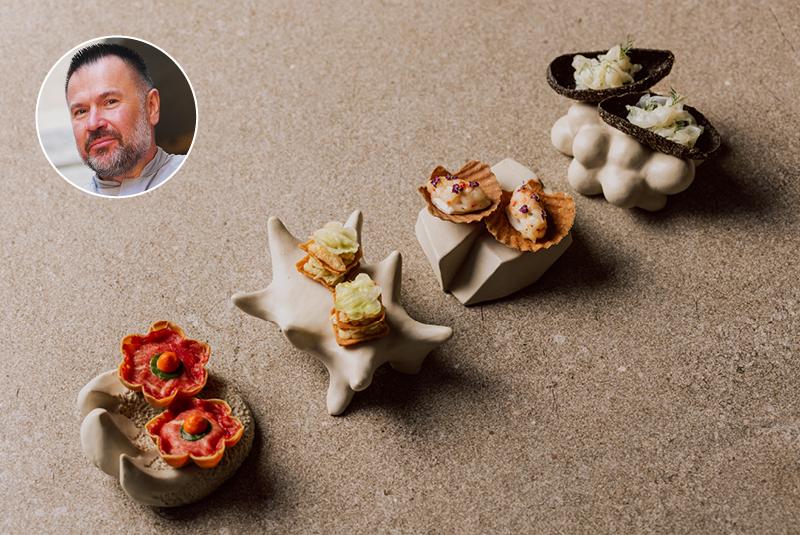
What's special about Dalmatia?
Everything in Dalmatia is deeply connected – history, food and tradition blend in every bite. Olive oil, sea salt and bread baked under a metal lid form the foundation of its cuisine, each carrying centuries of meaning. The region's past has left a legacy reflected in dishes such as pašticada and tingul – rich, slow-cooked meats that always appear in important meals. When in season, figs, almonds, rosemary and lemons bring the region's cooking to life. Dalmatian cuisine values simplicity and honesty, allowing ingredients to speak for themselves.
When and where should people visit?
In Split, visit restaurants in March or November. It's a small city, but the dining is exceptional. Bistro Pjat in Zadar is a must. Co-owners Leo and Anita Mijalić craft unforgettable brunches from seasonal ingredients, year-round. If you're heading south to Split, warm up at Restaurant Krug. Its adventurous multi-course tasting menu shows just how far Croatian cuisine can go.
Where in Croatia have you enjoyed standout meals?
One spot that comes to mind is the family-owned hotel and restaurant, San Rocco; it's a bit further north in Istria. They are incredible hosts, and we have learned a lot from them. I'm also impressed by the detail and care paid by Marijo Curić's kitchen at Restaurant 360 in Dubrovnik. The view is equally incredible: the restaurant overlooks the Adriatic sea from a terrace built into the city's historic walls.
Bernard Korak, executive chef
Korak Winery & Restaurant, Plešivica, Zagreb County
@korakwinery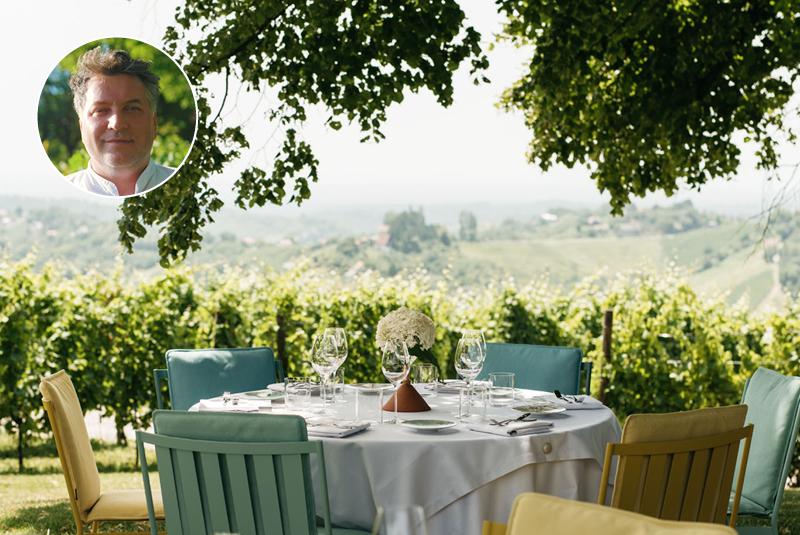
What inspired you to open a restaurant within a winery?
Our family has tended these vineyards for decades – the restaurant grew organically from the cellar. We work closely with local growers, hunters and foragers to capture the authentic flavours of Plešivica, a region where mountain pastures meet vineyard slopes. Each dish highlights this connection – from raw cow's milk cheeses inspired by my grandmother's recipes to wild herbs foraged on the estate and freshly caught trout from the nearby Vrabec fish farm. Our guiding principle is simple: let the ingredient lead, and never forget the wine.
What are your go-to spots?
For vegetarian food and excellent coffee, head to Studio 201 in Zagreb. Its homemade spreads, warming soups and floral-infused desserts make for a poetic lunch. The handcrafted ceramics and ever-changing floral arrangements add to the charm. Another great option is Mano2. The approach to microseasonal local ingredients and minimalist, elegant plating allows each flavour to speak powerfully.
Where do you go for a taste of autumn?
West toward the town of Samobor, Restaurant Gabrek 1929's menu stands out, especially for diners coming in cooler months. They are known for their wild mushrooms, and the flavours are very local to the region.
Hrvoje Kroflin, executive chef and partner
Mano2, Zagreb
@restaurant_mano2
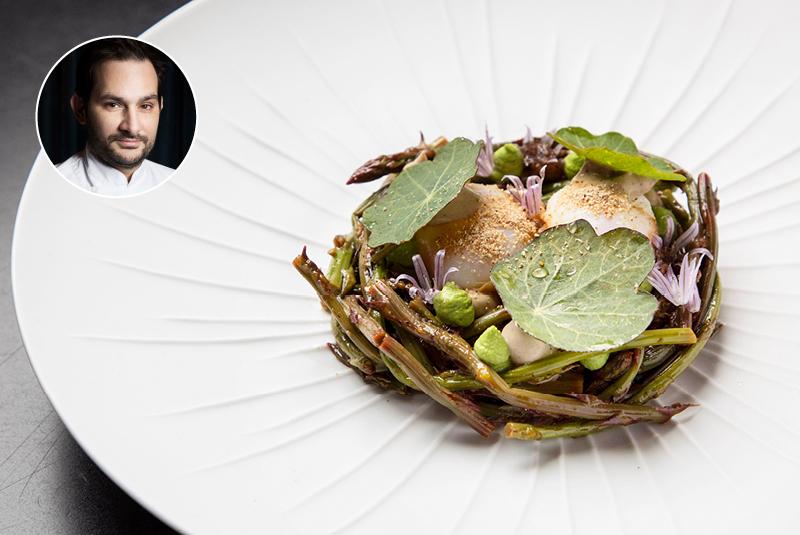
Tell us about Zagreb's gastronomy.
Zagreb's cuisine is where Austro-Hungarian and northern Croatian influences meet a bounty of vegetables, meats and dairy. The wider region is known for fresh cheeses, foraged mushrooms and fermented vegetables such as turšija and sauerkraut. The city itself has high-quality veal and chicken, rooted in a strong tradition of rearing livestock. Just outside Zagreb, small agricultural areas have long supplied the city's bustling markets – the true heartbeat of local cuisine.
Zagreb is large, where should we start?
In summer, head to Ponistra – a traditional stone-clad konoba serving high-quality seafood. When the weather cools, visit Gostionica Ficlek. The kitchen showcases traditional fare, celebrating comforting classics with care and pride.
Where do you like to take friends visiting before the summer heat sets in?
Restaurant Korak is a standout – it's a beautiful, family-run restaurant that I go to year-round. It's the first place that comes to mind when I think of traditional Croatian food. Bistro Točkica is also great for casual classics and I appreciate the extensive wine list (I usually opt for one of their natural wines).
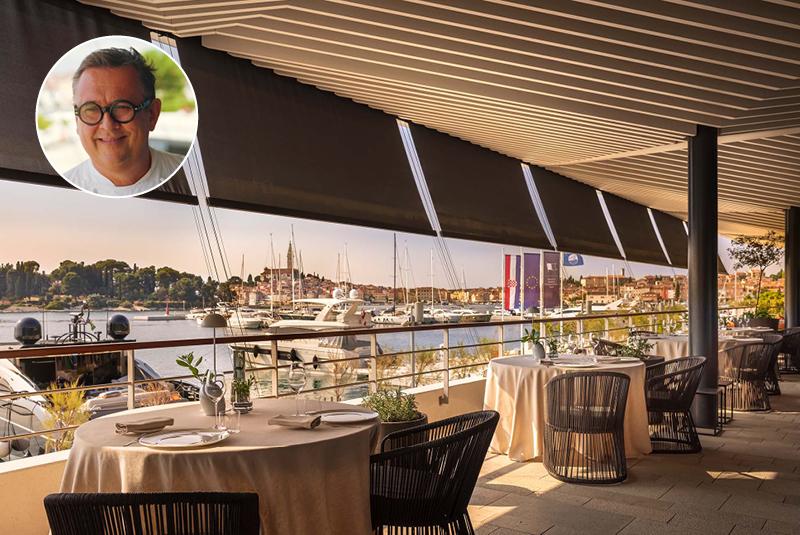
Emanuele Scarello, head chef and owner
Agli Amici, Rovinj
@agliamicirovinj
How would you describe Istria?
Istria is known for its strong Mediterranean character, and over time I've discovered its unique pantry. The region's cuisine crosses both sea and land, and its smoked cured meats, truffles, Boskarin beef [from the region of Istria], donkey and fish are excellent. Above all, the world-class olive oil from our Istrian mills must not be missed.
Where do you eat on days off?
For incredible fish, visit Restaurant Giannino. Credit goes to the kitchen's expertise and its commitment to offering the freshest seafood. I also find myself returning to San Rocco in Brtonigla for its warm hospitality.
Any tips for dining when it's cooler?
Shorter, cooler days call for heartier meals. I always count on the rustic taverna Konoba Buscina for the team's different takes on local proteins. I love eating its meat, whether raw or cooked, with just a drizzle of olive oil and a pinch of salt. And with a glass of red wine... I'm golden.
Browse restaurant and bar recommendations in Croatia and beyond on the 50 Best Discovery website, and follow 50 Best on Instagram, Facebook, Twitter and YouTube for the latest news, features and videos.