Presented in partnership with the Azerbaijan Tourism Board
From saffron-laced casseroles to slow-roasted, plum and walnut-stuffed fish, let these dishes guide your gastronomic tour of the Land of Fire.
If ever there were a place to earn the 'land of contrasts' epithet, it's Azerbaijan. Whether hosting next-gen AI and world-leading climate summits or preserving nomadic shepherding traditions, this is a country where future-gazing ambition and deeply rooted tradition rub against each other every day.
As for the country's food culture, age-old customs and locally grown ingredients still form its backbone. There are skewered meats, spice-infused rice dishes, herb-filled flatbreads, figs and pomegranates, Azerbaijan's world-famous saffron and valleys ripe for wine growing, where dishes have been influenced by trade routes that flowed through the Silk Road. There is so much variety and such visceral passion among local growers and gastronomes – all of which hit home on a 50 Best trip with chef Willem Hiele, whose eponymous restaurant in Oostende in Belgium is ranked No. 62 on The World's 50 Best Restaurants 2025 extended list, while filming a documentary on the country's culinary landscape.
That passion, along with the country's gastronomic heritage and rich palette of flavours, is inspiring, especially for a world-class chef: "Azerbaijan is pure hospitality. There's so much power in the people, and the way they connect with one another in a very special way. The tradition and craftmanship here is something the world must discover."
From the capital Baku to the ancient village of Basgal and onward to Lankaran in the south, these are the dishes that best define Azerbaijan's sensory-rich and slow-simmered cuisine.
Gutab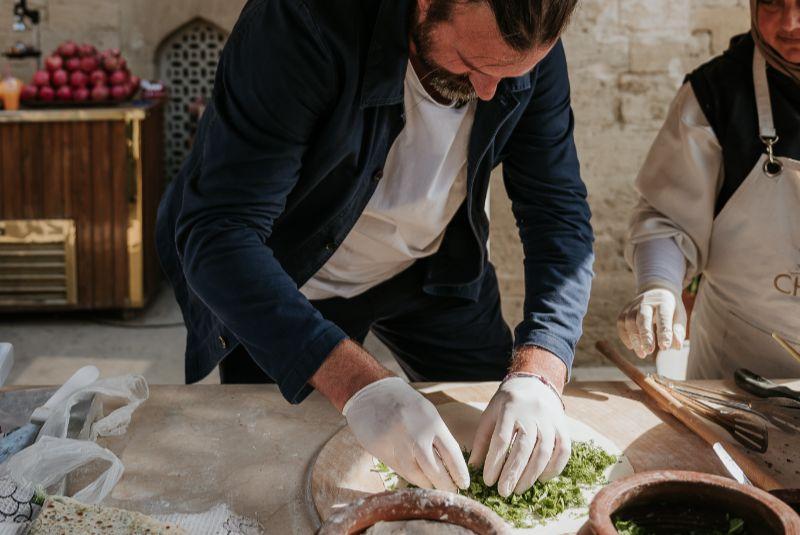
Dotted along the corridors of Icherisheher, Baku's Old City, you'll find gutab vendors making this piping-hot flatbread a la minute. It's quick work: rolling out the dough, filling it with chopped greens, pumpkin, cheese or meat, before it is folded into a half-moon slice and baked on a dome-shaped griddle known as a saj. "It's amazing how many recipes you can make with flour, salt and water," said Hiele, rolling out balls of dough at a street stall. "It's salty, fresh, acidic, sweet – all at once." Eat them steaming hot with a dollop of yoghurt or dusted with sumac for a snack between meals.
Basgal halvasi 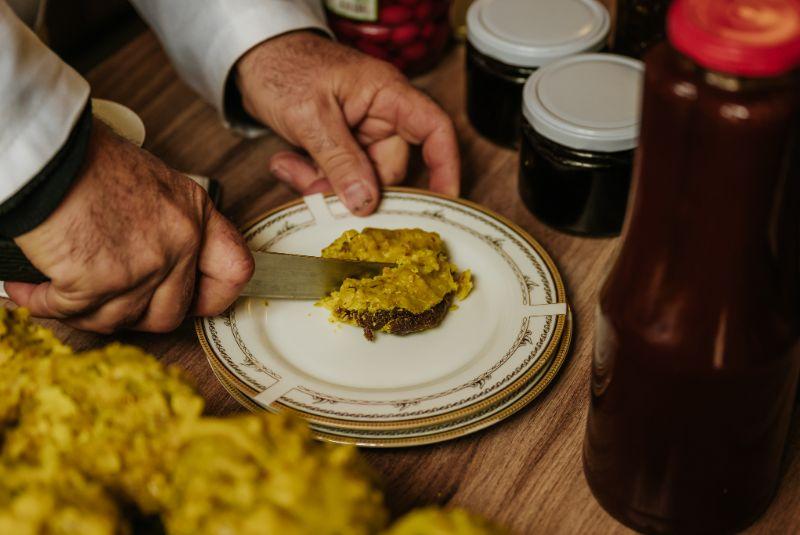
Essentially a dense, electric green-hued energy bar, halva cakes have been a staple of the central Azerbaijani region of Basgal for centuries. They're made predominantly from sprouted wheat, which is then roasted for eight hours and milled into a powder. Walnut kernels are then added, along with fennel, clove and ground turmeric to create a rich, crumbly dough, then bound together with honey or molasses. Locals aren't lying when they say one cake can keep you going all day.
Dushbara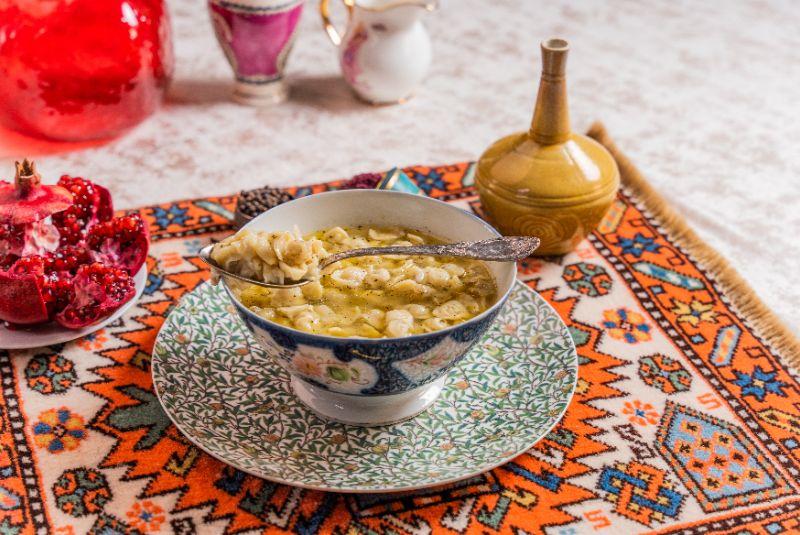
This dish does a good job of clearing the runway for the hearty dishes that make up a traditional Azerbaijani meal. Served in a cleansing bone broth, dushbara are tiny, lamb or mutton-filled dumplings, not unlike wonton or tortellini. They're no bigger than a clove of garlic, with six or seven enough to whet the appetite.
Dolma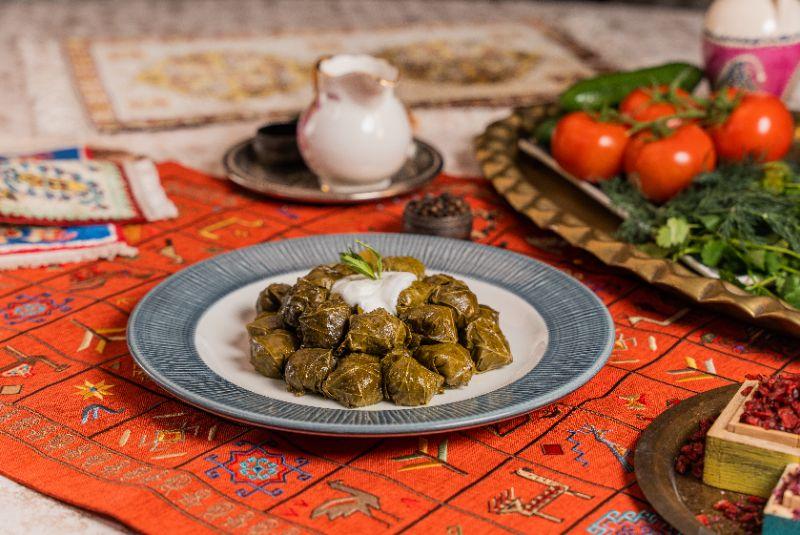
A variation on stuffed vine leaves, dolma have been Unesco-recognised as a symbol of intangible cultural heritage, their name originating from the Azerbaijani word "doldurmaq", meaning "stuffed". Grape, hornbeam or cabbage leaves are filled with minced lamb, rice and herbs, before being slow-cooked until tender, with different regions offering their own blend of flavours.
Kebab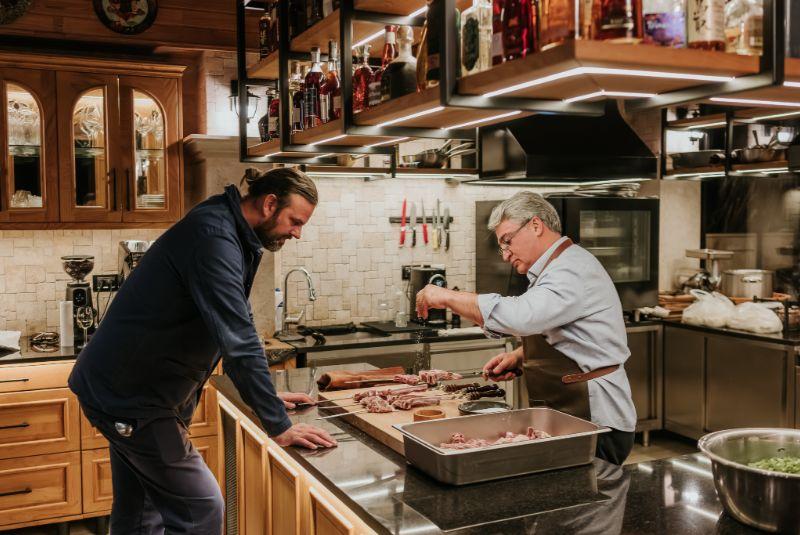
Kebab will be familiar to many: skewers of lamb, beef, or chicken, charred over hot coals. In Azerbaijan, often no marinade is used beyond salt and pepper. "It's about the pure flavour of the meat," says Hiele, describing the fat-tailed Karabakh breed of lamb, indigenous to Azerbaijan. Wrap it in paper-thin lavash and let the quality of the meat speak for itself.
Plov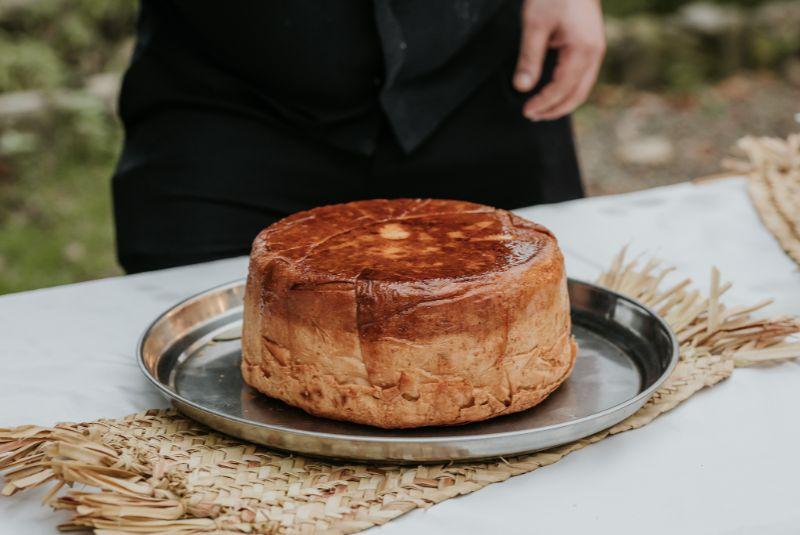
This is possibly Azerbaijan's most important dish. Today, variations depend on the region, but the core ingredients are steamed, saffron-infused sadri rice, layered with dried apricots, plums, chestnuts and slow-roasted lamb, beef or fish. In some parts, flatbread is wrapped around the rice and filling to create a crisp shell after it is baked, while in others yoghurt, butter and eggs are added to form a chewy, pudding-like crust as the dish steams. "There's such a balance between the sweetness of the raisins and saltiness of the rice," explains Hiele while trying the variation known as Shah plov, "plus the flavour of the charred dough – this is real soul food."
Shaki piti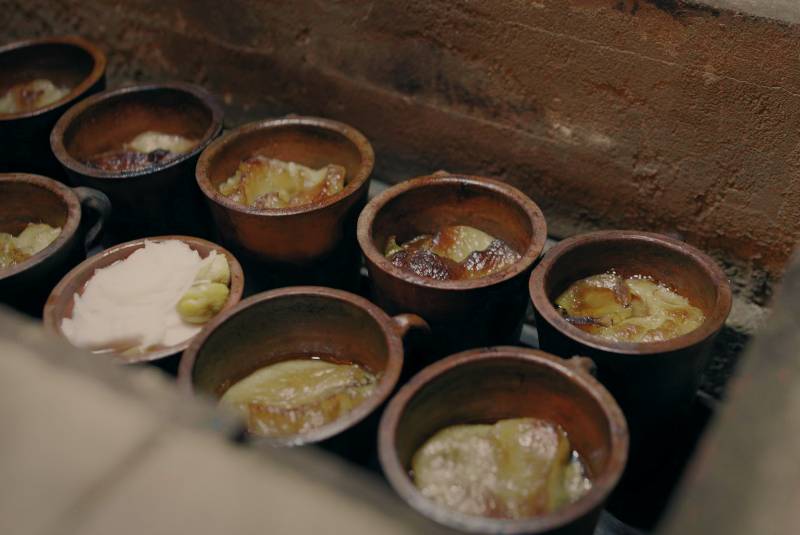
This slow-cooked lamb casserole is another standard-bearer of Azerbaijani cuisine. Each portion is layered in a small cylindrical clay pot known as a dopu, combining lamb, chickpeas, chestnuts and plum topped with chopped onion and a saffron-brewed broth, before being baked in a brick oven for up to six hours. It's traditionally eaten in two stages: first, the broth from each pot is poured off and mopped up with bread, before the rest of the softened ingredients are eaten separately, sometimes with sumac. For Hiele, there's strength in its simplicity: "You really taste the quality of the meat, and by just adding a few other ingredients, the technique of the slow cooking turns it into a beautiful dish."
Tandir-baked bread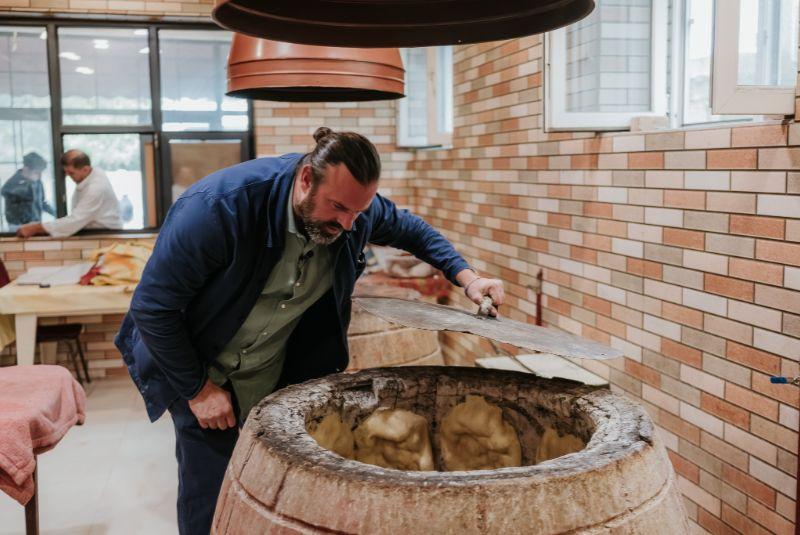
Throughout Azerbaijan, you'll rarely see a meal without bread on the table. Recognised by Unesco as an expression of intangible cultural heritage, discs of dough are pressed against the walls of a deep clay oven known as a tandir, where they cling and blister before being pulled away just before they burn. The result is a crisp-on-the-outside bread with a soft middle, eaten with everything from local cheeses and jammy compotes to kebabs and stews. Tear it apart while still warm, soak up piti and stews or wrap it around hunks of tender lamb.
Lavangi 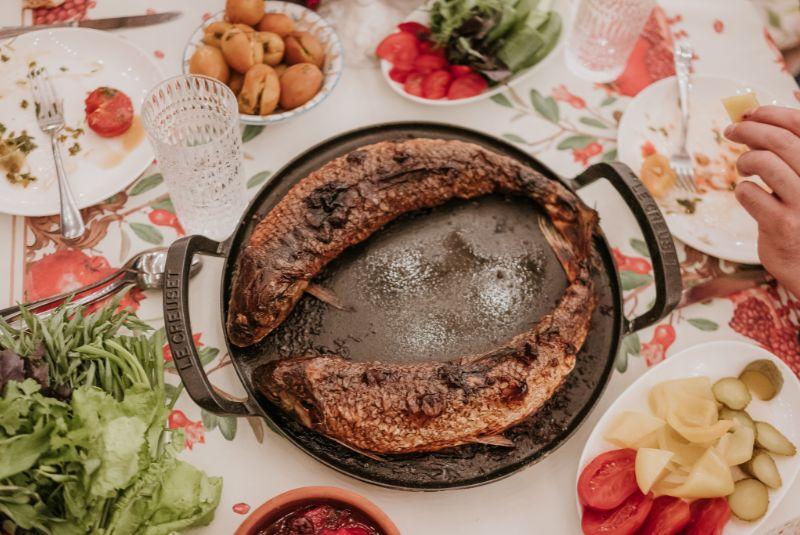
Lavangi is a signature dish from southern Azerbaijan where chicken, fish or aubergine are stuffed with a mix of ground walnuts, a plum paste, onion, salt and pepper, then slow baked in a tandir for several hours. There's a massive variety of flavours and textures in just one serving, from the smoky crust and charred nuts to the sweet-and-sour filling, all of which hits especially hard when applied to roasted fish – an impression Hiele had after watching it be prepared. "There was so much umami, so much crustiness. The stuffing was something I'd never come up with myself, with walnuts and the acidity of the plum paste – that mix really brought it to life."
Join Willem Hiele on his tour of Azerbaijan with 50 Best