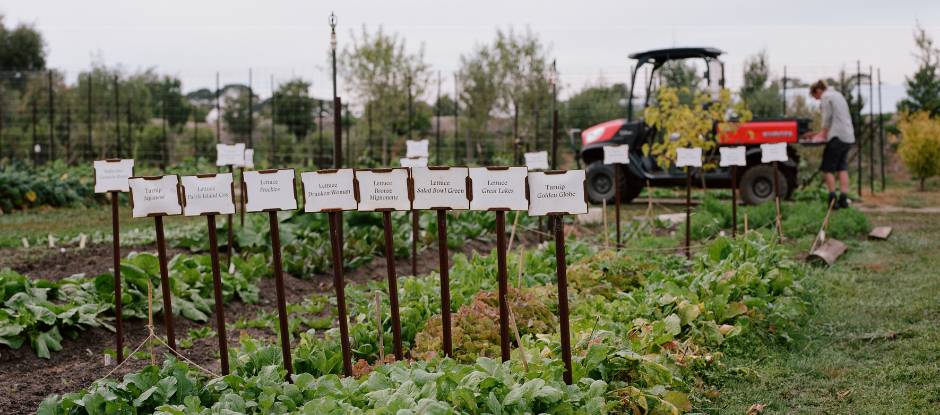
If you're looking for a memorable dining experience that also makes you feel good, The Sustainable Restaurant Association recommends five outstanding restaurants around the world that are using innovative ways to eliminate food waste.
Tanaman, Bali
@potatoheadbali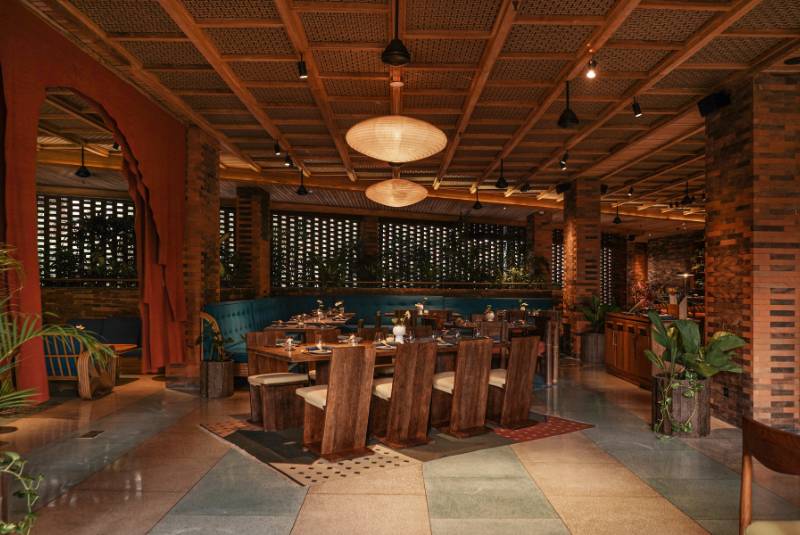
Tanaman is one of six on-site restaurants at Desa Potato Head, a laid-back, ultra-cool hotel and beach club in Bali. With an entire business philosophy based on the principles of circularity, the resort is working towards the goal of becoming a zero-waste property – ambitious for any hotel, but relatively unheard of in Indonesia. This is only perhaps matched by the work of Locavore NXT, winner of the Sustainable Restaurant Award, as part of Asia's 50 Best Restaurants 2025.
At Tanaman, waste is carefully sorted and repurposed wherever possible, and the team is proud to have reached 97.5 per cent zero-waste-to-landfill to date. In the longer term, the goal is to have no food bins in the kitchens at all. Eager to create wider change across the island, Potato Head has even opened a Community Waste Project near Bali's largest landfill, setting a new standard for Indonesia's hospitality sector.
Expect a 100 per cent plant-based menu celebrating every part from root to shoot. Creative broths, stocks, oils, flavoured salts, ferments and cocktails ensure no flavour goes to waste. Since 2024, the resort has even employed a dedicated zero waste chef to work across all its restaurants and bars - as well as a research and development team for food and beverage - embracing a circular approach across the kitchen to make sure everything gets used. This has led to the creation of some clever by-products, like turning leftover egg whites into a soy sauce alternative.
Try broccoli stems with broccoli 'guacamole', fresh herbs and toasted sourdough, or an orange and heirloom tomato salad dressed with tepache, a fruity fermented drink made using pineapple skins, before watching a spectacular Bali sunsets from the rooftop bar.
Brae, Melbourne
@braerestaurant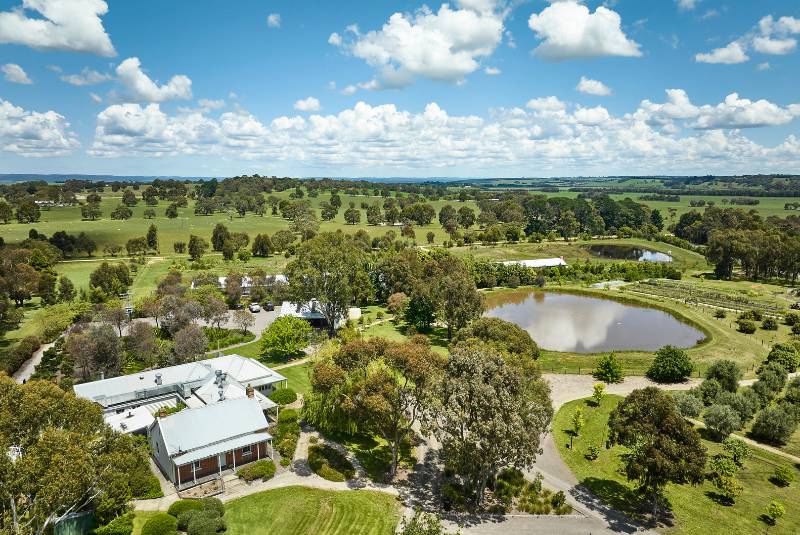
Located in the bucolic surrounds of the Otway hinterlands near Melbourne, Brae, is a destination for food lovers in need of a peaceful retreat. Here, food waste is prevented through careful planning.
The restaurant doesn't take walk-ins, and tables are always booked out at least one week in advance. Operating a set tasting menu based on what's in season means diners can enjoy the flavours of Victoria at their absolute best – and, for the kitchen, it also means no surprises. Knowing exactly how many guests the restaurant will serve in the coming days makes it straightforward to prepare only what it needs.
In the Brae gardens, vegetables are harvested to order, based on bookings. The head gardener supplies a harvest list via email every Friday with the list of produce available, and the head chef responds with the order for the week, meaning that only what's needed is picked.
Nothing is wasted that could be otherwise used. For example, the classic parsnip and apple dessert sees crisp golden shells made from parsnip skins filled with a soft mousse of parsnips, apples and cream. Any garden produce that ripens before the kitchen team can use it becomes jam, cider or cordial, sold through the online shop. On the rare occasions there is any excess food, it goes into staff meals or is pickled or fermented to appear on another menu. Any green waste from the kitchen is composted, returning to the Brae gardens to nourish the soil for next year's harvest.
Aponiente, Cadiz
@aponiente_angel_leon
(Image: Álvaro Fernández Prieto)
Aponiente is far more than just a restaurant, it's an ambitious project working to restore local ecosystems. Chef Ángel León is a true visionary, renowned for his passionate promotion of sustainable fishing practices and revolutionary approach to sourcing and serving seafood. At Aponiente, he's on a mission to highlight the enormous untapped potential of our oceans. This commitment was recognised at The World's 50 Best Restaurants 2022, when Aponiente took home the Sustainable Restaurant Award. In 2025, Aponiente placed at No.84 on The World's 50 Best Restaurants extended list.
Chef León's impassioned exploration of the sea pantry serves to elevate and celebrate underused and undervalued ocean ingredients. The restaurant's selection of marine charcuterie recreates familiar favourites such as mortadella, chorizo and 'nduja, but using typically discarded fish like mojarra and breca. This is a deliberate strategy to encourage chefs and diners to enjoy a wider selection of seafood, while also making inventive use of elements that would otherwise be wasted.
For example, Aponiente's 'marine bacon' is made using the sea bass belly, a by-product usually discarded in processing. Similarly, fish scales – a significant part of the waste from cleaning and trimming fish – are rich in collagen and at Aponiente, are used to create ingredients like gelatine sheets, gelling powders and emulsifiers.
Fyn, Cape Town
@fynrestaurantcpt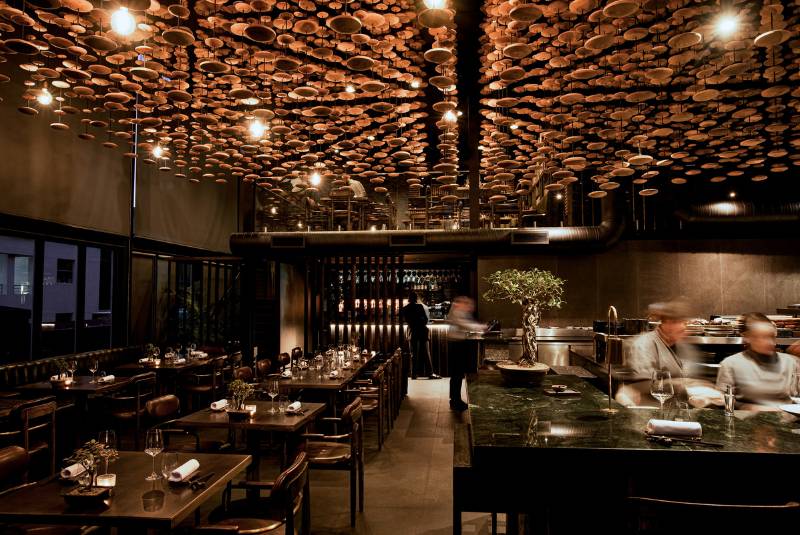
Fyn restaurant in Cape Town (No.82 on The World's 50 Best Restaurants 2025 extended list) is renowned for its unique cuisine, serving the best of South African ingredients prepared using Japanese techniques. The food here is all about capturing a sense of place. With full menus available for vegetarians, vegans and pescatarians, Fyn is particularly passionate about showcasing local plant foods like dune spinach, sea lettuce and pineapple.
Understanding that most food waste is avoidable, Fyn works from the beginning, analysing its purchasing practices to minimise overordering. It chooses fresh produce from small suppliers, embracing seasonality to ensure ingredients are at their best, with any surplus used creatively across the menus. As part of Relais & Chateaux, the restaurant is also bound by the group's extensive sustainability commitments, which aim to achieve highly ambitious environmental objectives, including waste reduction, by 2040.
Working with Don't Waste provides detailed analytics, allowing the team to understand where waste is coming from and adjust practices accordingly. A comprehensive segregation system means organic waste is composted for use as fertiliser and recyclables are sorted for collection. To manage this in-house, Fyn has a member of staff dedicated to reducing food waste.
Diners can look forward to a wealth of local flavours served with a Japanese twist: think Atlantic Ridge kingklip fish with kapokbos (wild rosemary) tempura and coastal plants, or mosbolletjies, traditional Afrikaner sweet buns, paired with burnt mushroom custard. It all goes down very well with a glass or two of wine from the surrounding vineyards.
Salvo Patria, Bogotá
@salvopatria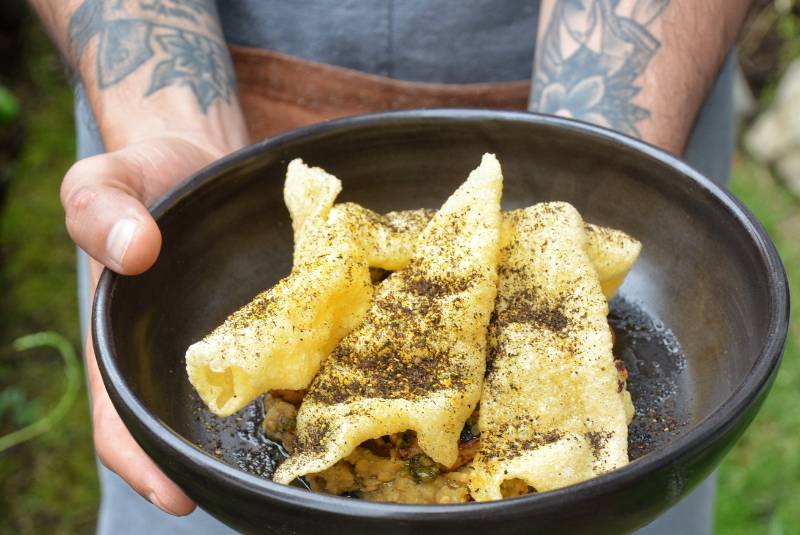
Inspired by the incredible biodiversity of native produce – with more flora and fauna per sq. kilometre than any other country on earth, according to the World Wildlife Fund – every dish at Salvo Patria is a taste of the restaurant's Colombian roots. Menus evolve constantly to showcase what's available, reducing waste at the farm level. The restaurant also hosts a series of zero waste dinners in collaboration with guest chefs, where multi-course menus are designed with circularity in mind.
In the kitchen, zero waste is an overarching goal. Chef Alejandro Gutiérrez is careful to maximise the use of every ingredient, including vegetable trimmings and offal, with a firm belief that these foods simply need a little more care and attention to become elegant morsels. Fish bones and heads are toasted to boost their flavours, then used to create a concentrated broth; and banana skins are dehydrated and blitzed into a flavour-packed powder.
Alongside recognisable dishes like cured sea trout, you might find bourbon ravioli swimming in garlic bread miso butter (made with offcuts of homemade bread fermented with koji), or grilled chicken hearts served with pea puree and pickled guatila (chayote) fruit.
Discover restaurants, bars and hotels which have won the Sustainable Restaurant Award, in collaboration with the Sustainable Restaurant Association.