There's a whole world beyond wine and water at these brilliant venues pushing the boundaries of teetotal drinks.
The last few years have seen a huge shift in behaviour among diners, with people drinking far less alcohol. At the 2026 edition of the World's Best Sommelier Selection, some beverage directors reported almost half their dining rooms eschewing wine altogether, raising concerns for dwindling margins, and thus a drive to course-correct and appeal to new tastes. The result? Superlative pairings that spotlight undersung local produce, sustainably sourced ingredients and complex botanical layering. Here are eight restaurants across the world setting the standard.
Kato, Los Angeles 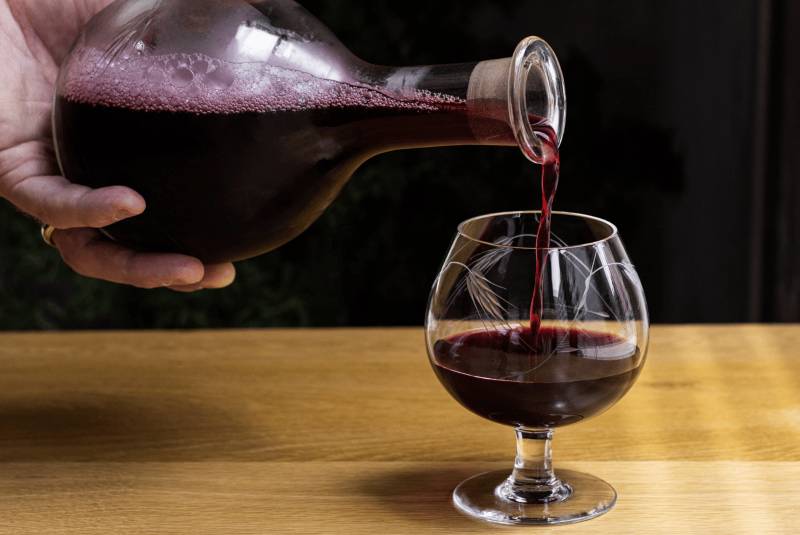
Given LA's love of healthy living, there are no prizes for guessing it's home to a slew of excellent zero-proof pairings. At Kato, bar manager Austin Hennelly and co-owner and sommelier Ryan Bailey have developed a flight that pushes the boundaries of de-alcoholised wine with category-defying drinks.
Designed to pair with each of the eight courses on Kato's Taiwanese-American tasting menu, these pioneering drinks start as de-alcoholised wine and are steeped with ingredients including tea, fruit skins and spices, and brightened with clarified juices. To complement chef Jon Yao's pork belly hóngshāo ròu course, a de-alcoholised French syrah with toasted cacao, black tea and Chinese five spice is on offer, while to accompany the fish-based suān cài yú course, diners can sip an elixir of clarified cucumber, locally farmed bitter melon and bái mǔdān white tea.
SingleThread, Healdsburg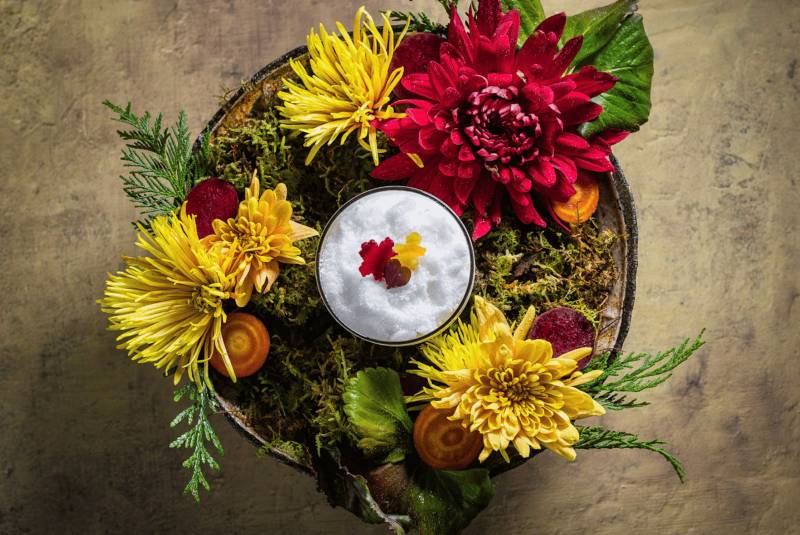
At SingleThread, everything that happens in the dining room is dictated by the rhythms of the restaurant's nearby farm. The same is true of its non-alcoholic drinks programme, which matches the same scrupulous standards as the food menu: using food waste and creating a menu with intentional seasonality.
Wine director Chris McFall and chef Yoni Korn lead the non-alcoholic beverage programme, which features shrubs, tonics and teas, as well as two private-label, non-alcoholic wines. There's a sparkling wine made with roses, geranium tea and a yeast strain made by SingleThread, as well as a pinot noir made from cherries, pomegranate, tea and herbs. Depending on the season, a course on chef Kyle Connaughton's multi-course tasting menu might pair with ponzu milk punch, apricot tea or a sparkling shiso tonic.
Hisa Franko, Kobarid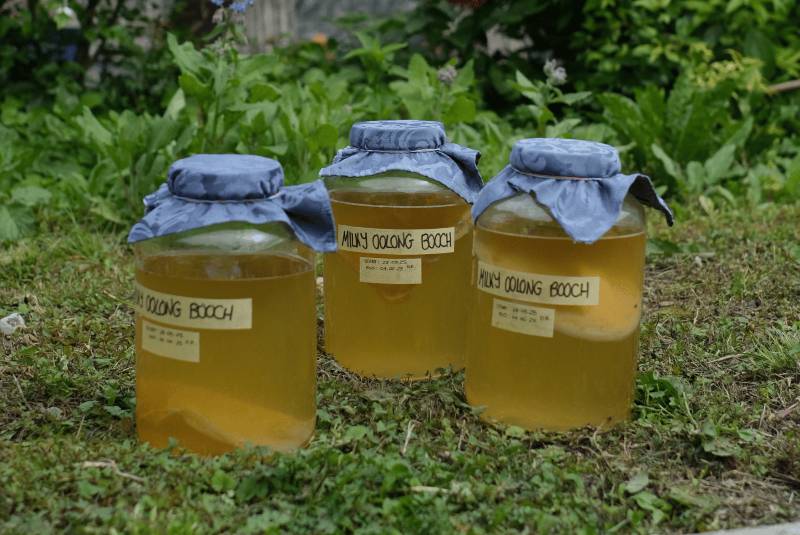
In the lush Soča Valley in Kobarid, Hiša Franko is renowned for its deep connection to the landscape. Introduced in 2019 and refined over the years, the restaurant's Juicy Pairing is designed to perfectly match the nature-inspired menu created by chef Ana Roš. On offer is a selection of in-house fermentations, kombuchas and infusions that follow the same principle as what happens in the kitchen: nature-led and driven by creativity.
To pair with courses featuring foraged herbs, native vegetables and locally reared meat, expect pours of Pine Booch, made with fermented sugars from the Pituralka pear and pine needles harvested from the surrounding forests; chamomile flower kombucha made with summer hay from the field just outside Hiša Franko's dining room; or a tonic made with fermented saffron from the Slovenia-Italy border with red apple juice.
Geranium, Copenhagen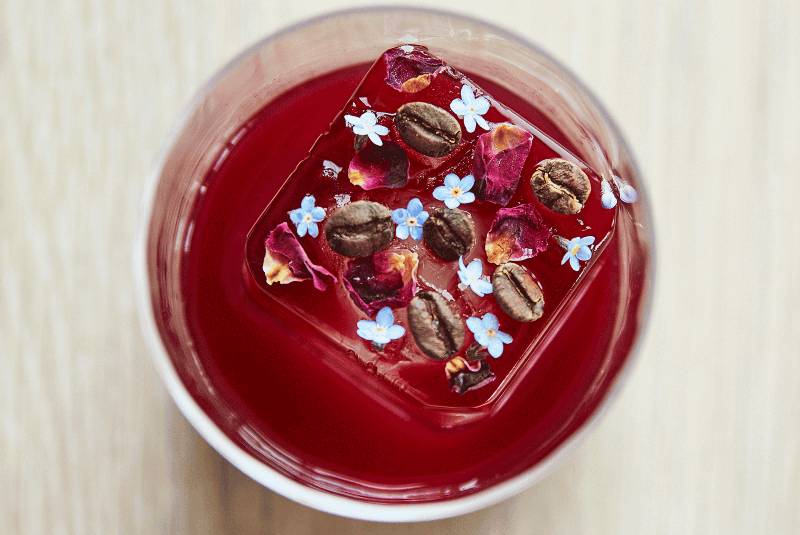
While some establishments have only just hopped aboard the low-and-no bandwagon, Copenhagen's Geranium (named The World's Best Restaurant 2022) has been offering non-alcoholic pairings since opening in 2007. The juice-based pairings are curated by Giula Caffiero, the restaurant's manager, evolving constantly to leverage local ingredients, expressing local terroir, traditions and seasons.
The non-alcoholic pairing menu here is named Fruits and Vegetables, and focuses on extracting the very best flavour and balance from local produce. Some pairings, like green apple juice with fennel and marigold, focus on cleansing the palace. Others, such as celeriac juice, hay and roasted grains, mirror the flavours in chef Rasmus Kofoed's dishes. Presentation is part of the package, with attention given to the colour and smell of each pairing, as well as tableside preparation adding to the dining experience. (image: Claes Bech-Poulsen)
Logy, Taipei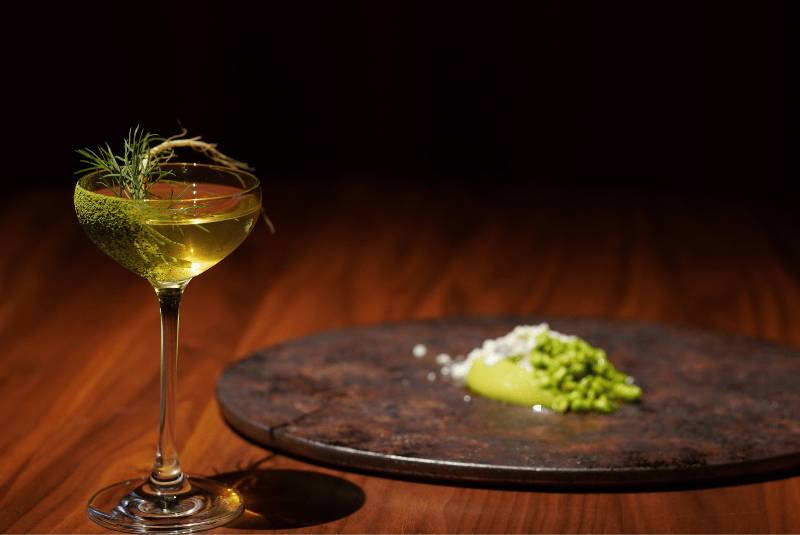
Led by chef Ryogo Tahara, Logy aims to showcase dynamic Asian-American cuisine in the form of a tasting menu featuring both seasonal and Taiwanese ingredients alongside Japanese influences. Since opening, Logy has offered a non-alcoholic tasting menu, with as many as 35 per cent of its guests opting for alcohol-free dining.
Keen to not limit the non-alcoholic pairing experience to traditional teas, Tahara and head sommelier Kevin Lu have curated beverages focused on seasonal produce. Each pairing showcases harmonious fragrance, the enhancement of the menu's umami elements and neutralisation of aftertastes. Unique creations here include passionfruit with marukyu-koyamaen matcha to pair with squid and lotus root, or pu'er, a fermented dark tea from China's Yunnan Province, mixed with roselle, beetroot, juniper and clove syrup to pair with more umami-rich dishes.
Leo, Bogota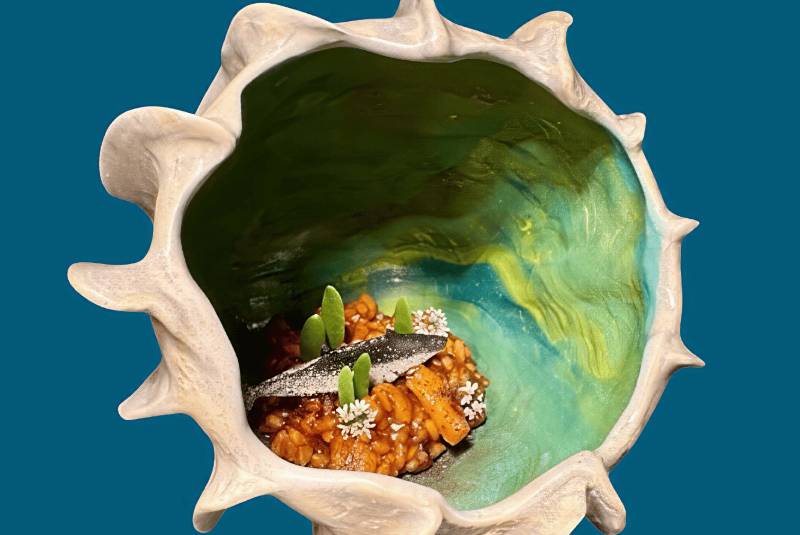
Chef Leonor Espinosa's celebration of Colombia's diversity at Leo doesn't stop at the tasting menu. The dedicated Botanical Pairing features fermented drinks made from Colombian ingredients, representing land, sea and soil and inspired by Pacific seawater, Andean foothills and wet Amazonian jungles.
Both the tasting menu and drinks pairing operate on the proposal of Ciclobioma, which focuses on the connection between humans, cultural heritage and nature, honouring sustainability and supporting local communities. There are fermentations and tonics, rather than juice. For example, to pair with an early course of cashews, sweet potato and macambo, a variety of cocoa native to the Amazon, diners sip on Dry Forest of Water, made with guaimaro bark-macerated water, almond leaves, sage flower and chamomile with fermented guava.
Fu He Hui, Shanghai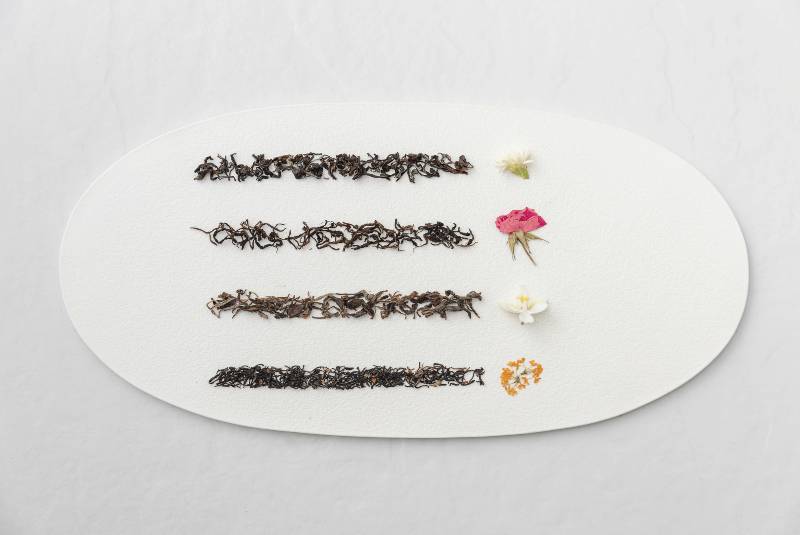
This premium vegetarian dining oasis is an unsurprising candidate for offering one of the world's most refined tea pairings. Situated among the leafy plane tree-lined streets of Shanghai's Former French Concession, Fu He Hui pays tribute to Chinese agriculture, working with regional farming communities to source the produce then spun into meat-free gold by chef Tony Lu.
The singular set menu rotates quarterly, with the 11 dishes paired with four teas across the experience by tea sommelier Yuelan Ye. The current tasting menu features teas from the Fujian region, with highly aromatic Mindong Pomelo Blossom Oolong and floral, velvety Minnan Corn poured alongside dishes including walnut with tofu skin and jicama (a crunchy root vegetable) and wild carrot with dried apricot and daikon.
Trèsind Studio, Dubai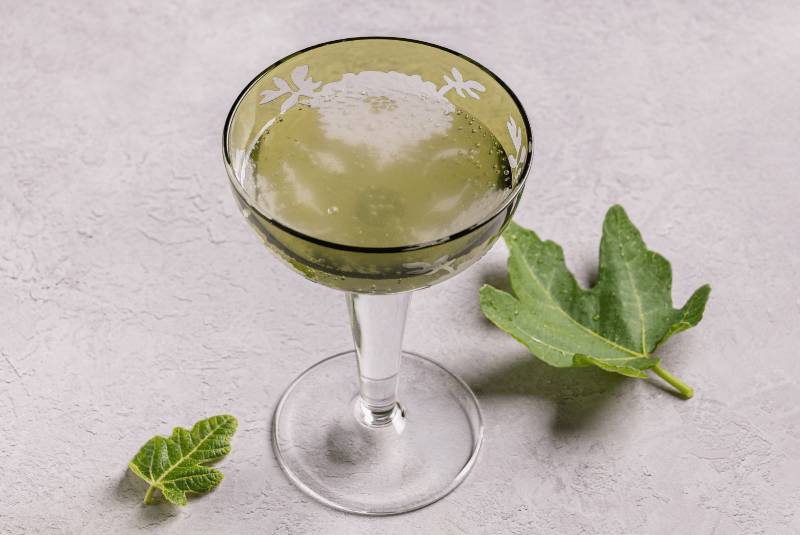
Diners aren't short of creative non-alcoholic pairing menu options in Dubai, but chef Himanshu Saini's boundary-pushing Trèsind Studio offers one of the most impressive selections. His cutting-edge Rising India menu takes diners on a culinary journey through the country's most dramatic landscapes, with a non-alcoholic pairing programme with the ambition to match.
The offering, crafted by longtime beverage consultant Dom Carella, is rooted in botanicals, utilising house-made infusions, syrups and bitters using trimming from the restaurant's rooftop garden and kitchen scraps. With snacks such as ghee-roasted jackfruit, burnt cinnamon and curry leaf crisp, diners sip on milky oolong with capers and sea asparagus, while the Himalayan mountain-inspired course of hazelnut praline parfait, black apple ice cream and artichoke twig pairs with an Omani black lime, banana and salt-based drink.
Discover more fantastic restaurants, bars and hotels with 50 Best Discovery, and start planning your next adventure.