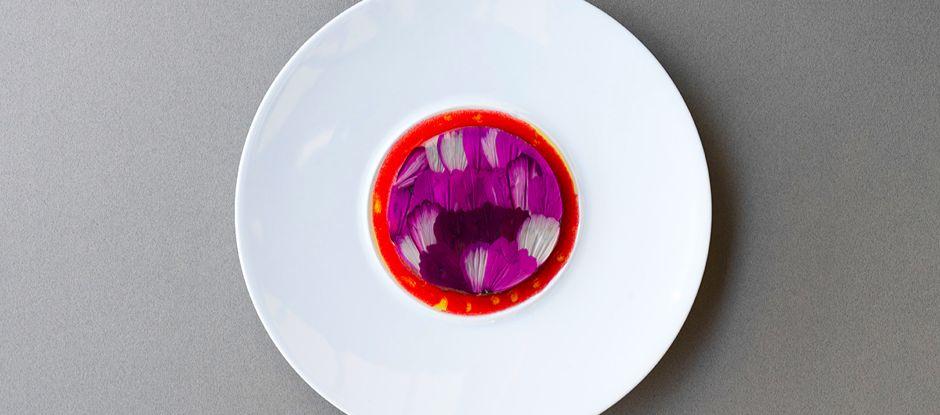
From creating caviar canelés to transforming seafood shells into candleholders and redirecting bones for use in the cosmetics industry, this is the real circular economy.
These days, chefs are using fewer resources in the smartest of ways to improve the guest experience, rather than take away from it. The Sustainable Restaurant Association (SRA) takes a look at five fabulous restaurants making circularity a key ingredient on every menu.
Saint Peter, Sydney
Bringing butchery to new levels 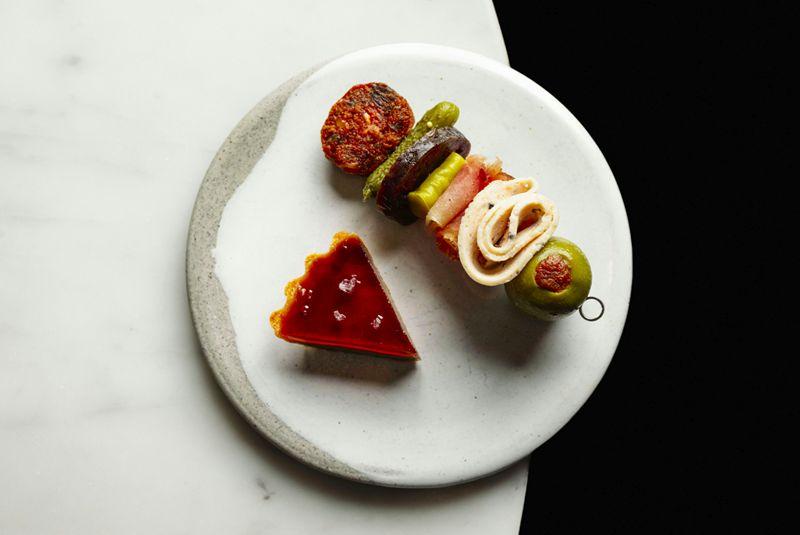
No part of a fish goes to waste at Saint Peter in Sydney
Opening Fish Butchery in 2018 to work in tandem with his Sydney restaurant, chef-restauranteur Josh Niland has redefined fish as an animal to be butchered, not just filleted. Every fish sourced for the restaurant is first brought to this innovative space to be broken down into 20-40 distinct cuts, from cheeks and collars to ribs, liver, roe, stomach, fat and even bones, each with specific uses.
This approach demonstrates how respectful butchery can turn what was once viewed as waste into delicious and unique dishes, increasing creativity through careful use of resources.
Any offcuts are turned into fish burgers, lasagnes and pies to be sold through the retail space at Fish Butchery. Where not used to make a flavour-packed broth in dishes like Coral Trout Consommé, fish bones are dried and sent to local potter Sam Gordon, who uses them to make a glaze for beautiful handmade plates. Fat is carefully saved and delivered to Hunter, finding a new life as fish fat candles later sold by the restaurant.
On the menu, diners might find fish charcuterie, yellowfin 'nduja or swordfish belly bacon. Even the dessert list is along for the ride; finish your meal with tuna bone marrow fudge, a caviar canelé or perhaps a choux bun made using fish fat, filled with Nannygai eye custard, fig jam and white chocolate.
Atelier Crenn, San Francisco
Flavour through fermentation 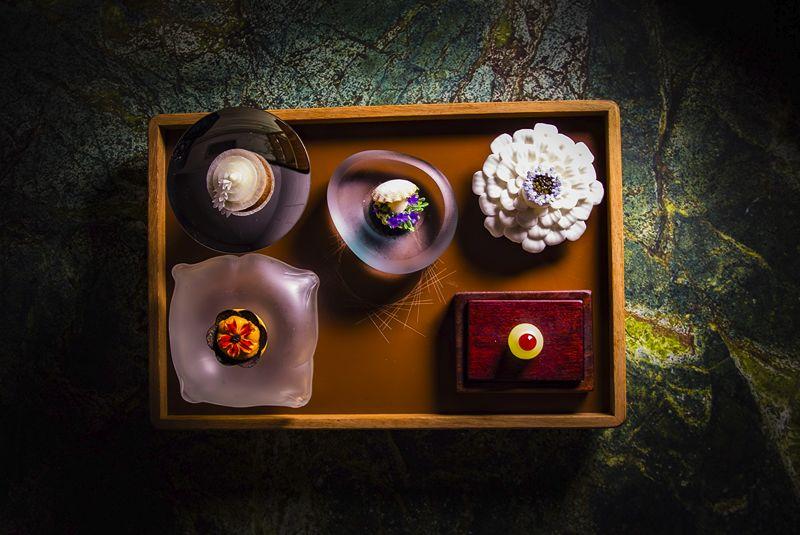
Excess ingredients and byproducts are turned into vinegars, stocks and umami boosts at Atelier Crenn
In San Francisco's neighbourhood of Cow Hollow, Dominique Crenn's multi-course tasting menu is designed to embrace circularity, with by-products from each dish becoming new ingredients for another. Shrimp and crab shells create stock; oyster liquor adds an umami boost to sauces; old bread finds new life as bouillon or ice cream; and cheese rinds are used to flavour soups.
The implementation of a clever fermentation programme has allowed the kitchen to extend the shelf life of seasonal foods and ensure that as much as possible of every ingredient is used, adding big flavours in the process. By turning excess produce, vegetable trims and by-products into vinegars, fermented vegetables, miso and XO sauces, the kitchen stays nimble and menus creative. Any remaining food waste is composted at Bleu Belle Farm, where the restaurant's produce is grown.
The restaurant also works in partnership with the Wild Oyster Project, recycling oyster shells back into the San Francisco Bay and spreading circular practices far beyond its four walls. Not only does this keep the shells out of the city's landfills, but it actively improves water quality and biodiversity and promotes seabed and reef restoration.
Baan Tepa, Bangkok
By-products into quality ingredients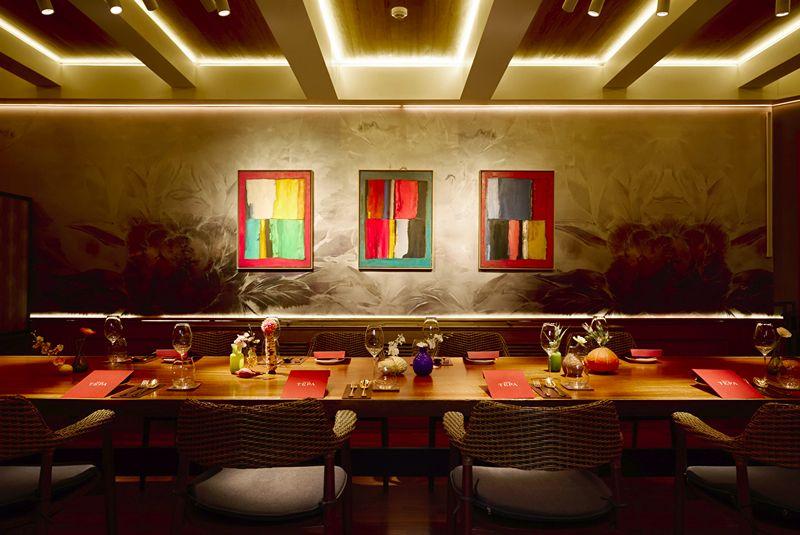
All organic waste at Baan Tepa is upcycled or composted rather than being sent to landfill
Designing for zero waste In Bangkok, Baan Tepa offers a fantastic example of how even high-end kitchens can design waste out of systems. Kitchen workflows have been consciously redesigned to treat by-products as ingredient streams, not waste.
By embedding circularity into the very heart of daily operations, the restaurant has successfully eliminated organic waste sent to landfill. Only materials that truly cannot be further upcycled are composted and returned to the soil in the restaurant's on-site garden, closing the nutrient loop.
Designing this fully circular food system included the creation of two dedicated in-house positions to enable maximum use of every ingredient: one team member handles fermentation, while another conducts research and development into new ways of using surplus foods. Now, fruit scraps are fermented into vinegars and kombucha; herb stems are processed into oils, sauces and powders; and garlic and onion trims become seasonings. Even used cooking oil is destined to become biodiesel.
Slow to decompose, seafood shells represented a particular challenge, but the team viewed this as an opportunity to create something unique. Working in collaboration with local artists, they've transformed these materials into incredible candleholders that now work as table centrepieces, beautifully mirroring what's on the plate and acting as a reminder of the precious origins of our food.
Don Julio, Buenos Aires
Respecting the animal 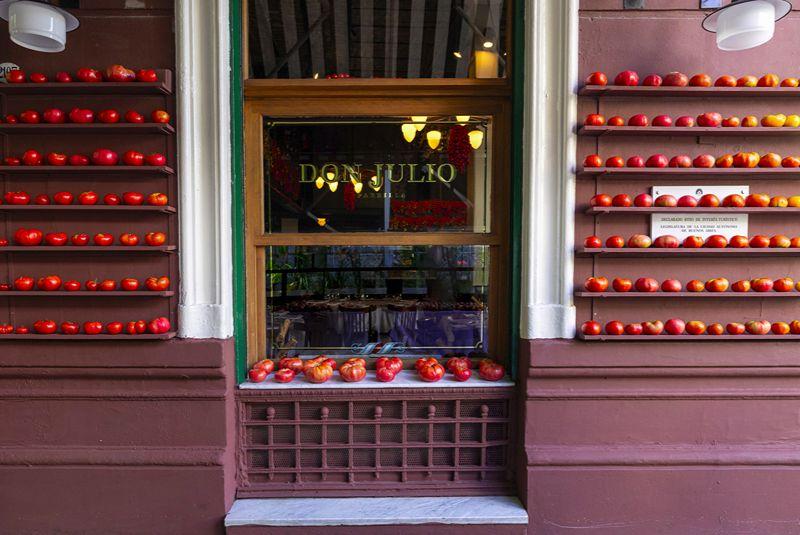
Whole animals are broken down on site at Don Julio to ensure all cuts are used
A family-run celebration of Argentinian cuisine, Don Julio dishes up regeneratively farmed beef paired with local wines and produce from the restaurant's farm outside Buenos Aires. Along with its sister business, El Preferido, Don Julio received the Green Seal Certification in 2021, becoming the only restaurant in the city to do so. The Green Seal is designed to train, support, regulate and recognise those who achieve outstanding practices in waste management, with Don Julio holding the highest possible rating.
With every animal brought in whole to be butchered and aged entirely in-house, the team ensures that not a single bite goes to waste. Meat scraps become empanadas, or fresh and cured sausages in natural casings, and any fat that is trimmed away is used to make flavour-packed breads. Unused bread is repurposed as breadcrumbs for coating the milanesas at El Preferido, or in staff desserts like bread pudding.
Side streams like chinchulín, sweetbreads and bone broth are sold in Don Julio's butchery shop, giving local home cooks access to top-quality ingredients. Even bones are redirected for use in the cosmetics industry, with any remaining organic waste composted for later use in the restaurant's gardens and farm.
Mirazur, Menton
From farm gate to plate 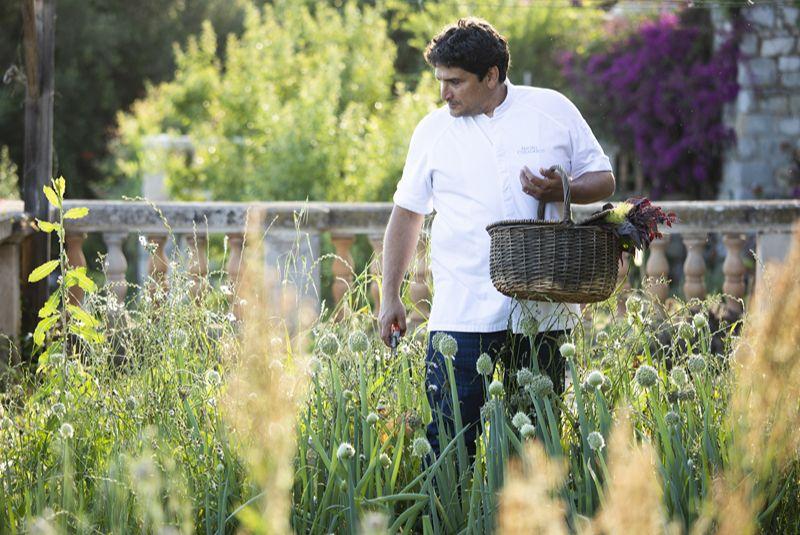
The majority of Mirazur's ingredients are sourced from its kitchen garden
Since opening Mirazur in 2006, chef Mauro Colagreco has championed a circular approach to gastronomy. Research and development is central to his philosophy, with a team dedicated to refining the restaurant's approach and using resources in ever more efficient ways.
Mirazur grows much of its own produce, using agricultural practices that work in harmony with natural ecosystems. A new large-scale agro-ecological project is currently in development, with 42 acres destined to become a circular farm dedicated to soil regeneration, production, research and training.
Under Colagreco's lead, the team meticulously designs menus to use up every part of each ingredient, planning purchases carefully with the goal of eliminating food waste. Every by-product and harvest surplus is viewed as the raw material for something new. Skins and trims from fruits, vegetables and herbs are used to make kombuchas and non-alcoholic wines in-house, avoiding waste while also providing diners with alcohol-free options that are healthy, tasty and interesting. Surplus bread is donated to local communities, and any organic foods that aren't used are separated and sent back to the gardens to enrich the soil.
In 2020, Mirazur also became the world's first certified plastic-free restaurant, the culmination of almost three years of convincing suppliers to switch to alternative packaging – embedding circularity into the supply chain as well as onto every plate.
Discover more fantastic bars, restaurants and hotels with 50 Best Discovery, and start planning your next adventure.