.jpg)
The iconic chef on his decision to shut the restaurant, his commitment to education and El Bulli's legacy.
It's hard to grasp the true impact of Ferran Adrià. As head chef of El Bulli in Catalonia – voted The World's Best Restaurant in 2002, 2006, 2007, 2008 and 2009 and a member of the Best of the Best hall of fame – he ushered in a new way of thinking about food, drawing from French tradition while simultaneously proving the country no longer held the monopoly on gastronomic innovation.
The techniques and approaches he invented – spherification, foams and the deconstruction of classic recipes – have become staples on menus everywhere. And many former employees – including Massimo Bottura, Gaggan Anand and Andoni Luis Aduriz – are among the most celebrated chefs in the world. Adrià's fame even crossed over into pop culture: in 2011, he was the first celebrity chef to appear in an episode of The Simpsons.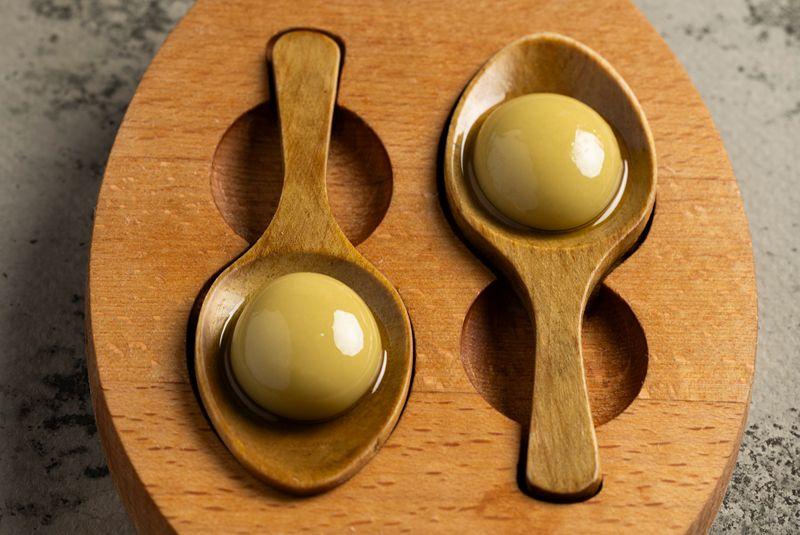
The legendary liquid olive course at El Bulli
That same year, Adrià and his partners Albert Adrià (his brother) and Juli Soler shut El Bulli for good. Since then, Adrià has not opened another restaurant. Does he ever regret that decision? "No," he replies emphatically. "Quite the opposite."
Leaving on a high note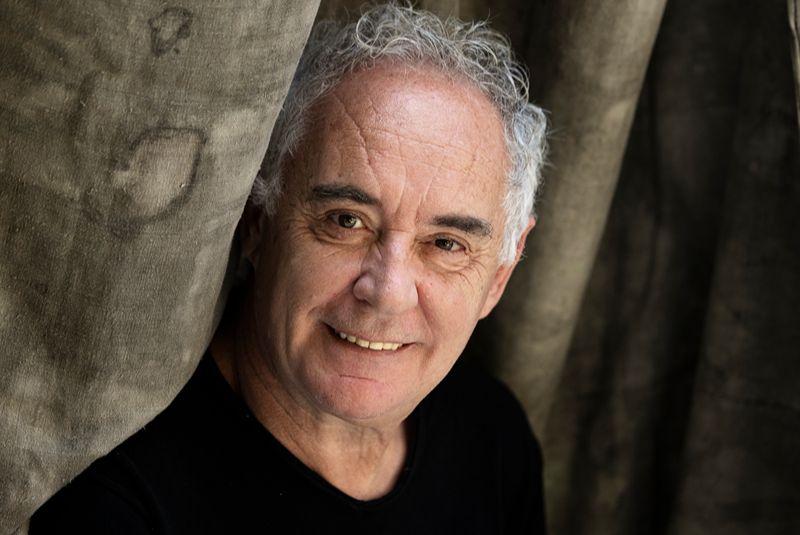
Chef Ferran Adrià
El Bulli already had a Michelin star when Adrià joined the team in 1984, but it was his leadership that saw the restaurant ascend to ever-greater heights. "El Bulli's mission was to find the physical and mental limits of the gastronomic experience," he says. "In 2009, our menu had 44 different preparations. We couldn't take it any further."
In El Bulli's later years, Adrià's position was largely outside of the kitchen, split into two separate roles. "On the one hand, I was on the creative side of things. On the other, I was managing the people who managed [the restaurant], just like in any other business.
"Cooking – the action of cooking – is easy," he says. "It's all about practice. The creative side of things is much more complex.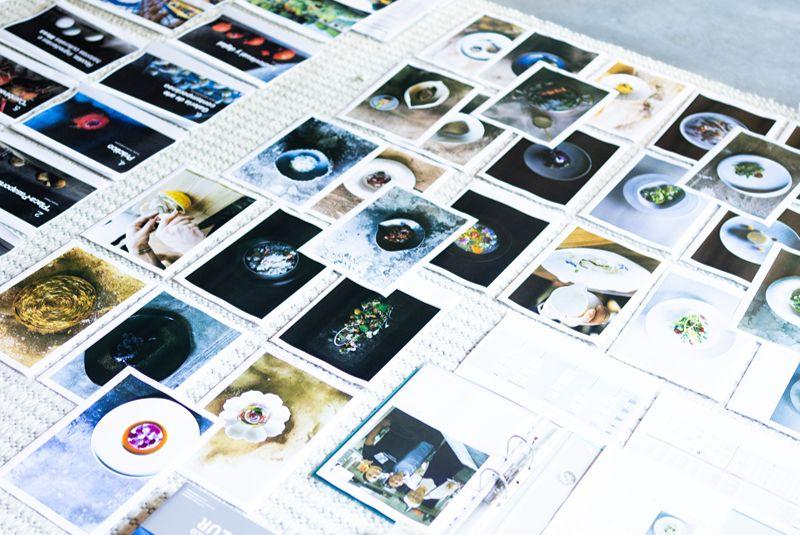
Photos of dishes and staff from Ferran Adrià's visit to Mauro Colagreco's French restaurant Mirazur
"You can measure the level of creativity from one to 10 and when you want to be at a level 10, like we did, it's a whole other world. These days, only five restaurants are at the level we were at."
Yet it's impossible to maintain this level of creativity indefinitely. "We wanted to leave in a beautiful way. We didn't want to decline."
He also sensed a growing fatigue. "By the end, people were tired of El Bulli," Adrià says, adding that this sentiment applied not only to the restaurant, but specifically to him. "It's a bit like how people feel about Messi. I left at the right moment. I left an opening."
El Bulli's impact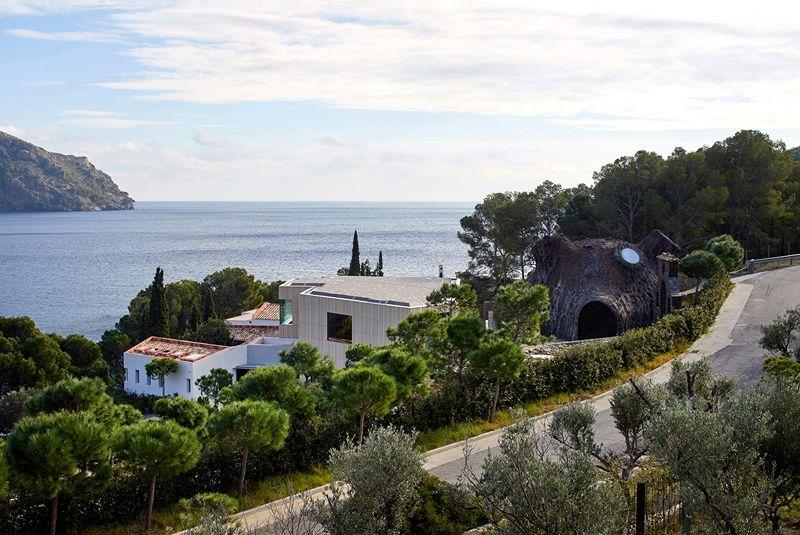
El Bulli as seen from above in Roses, Spain
He may be at peace with his decision to close El Bulli, but there are still things to clear up. First, there's the small issue of naming the gastronomic style he helped pioneer. Others have labelled it 'molecular gastronomy', but Adrià takes issue with this term. "No one knows what it means," he says. Instead, he prefers to talk about 'techno-emotional cuisine', a name which highlights the affective impact of food, aiming to trigger feelings, memories and reflections.
He's also keen to clarify the extent to which El Bulli shaped modern cooking. "There have been three key moments in the history of Western haute cuisine: Escoffier, nouvelle cuisine and techno-emotional cuisine. I think it's fine that people use ideas from El Bulli, just like I used ideas from those important earlier movements, but you have to be honest about it.
"Before us, tasting menus were much shorter," he adds as an example. "People don't know this, but every time you see a long menu today, that's El Bulli's influence."
Bullinianos: the restaurant's living legacy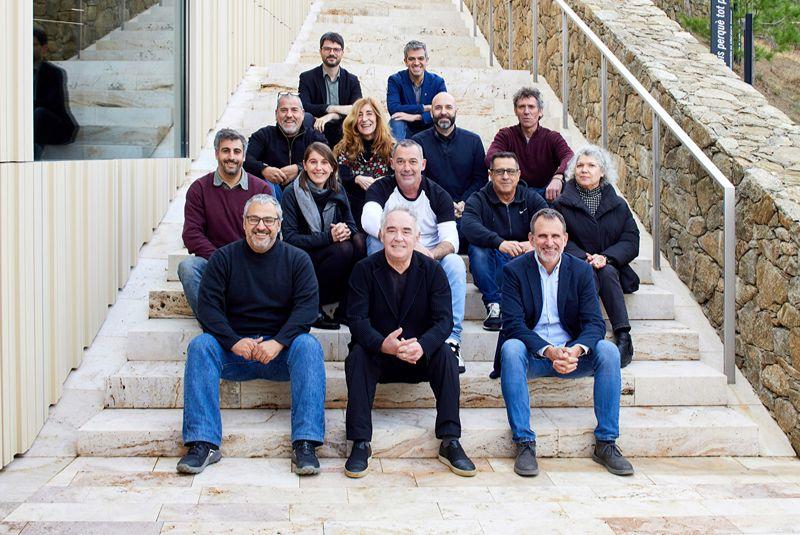
Team members of elBulli1846, a foundation built on the site of the former El Bulli restaurant
In addition to being named The World's Best Restaurant multiple times over, El Bulli was arguably also the world's best culinary school, with many globally recognised chefs completing stints in its kitchen. "I'm so happy to see the success of the Bullinianos, the people who passed through El Bulli. We're all very proud of them."
He declines to answer when asked which of the new generation of restaurants most interest him, but he does have especially high praise for his brother Albert Adrià, head chef at Barcelona's Enigma (No.34 on the list of The World's 50 Best Restaurants 2025; Albert was also the winner of the Estrella Damm Chefs' Choice Award 2025). "For me, Enigma is the most creative restaurant in the world," says Adrià. "My brother can't say it, but I can."
For Adrià, the demanding nature of working in a top-level restaurant should not be underestimated. "People watch MasterChef and think that's what being a chef is. A lot of people tell me, 'My child wants to be a chef.' To that I say, they should go and work in a restaurant for two months first.
"You might not know what this world is like," he continues. "After a while, if you don't like it, you can leave."
New horizons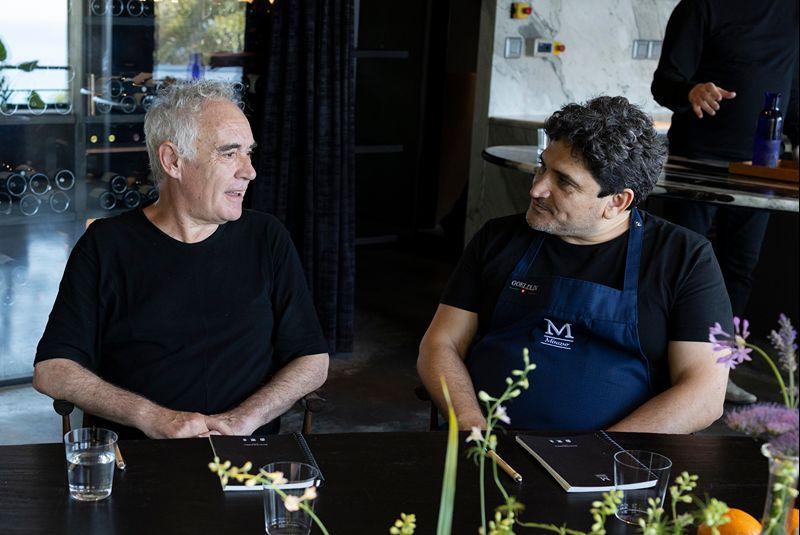
Chefs Ferran Adrià and Mauro Colagreco dining at Mirazur in Menton, France
These days, it takes something extraordinary to lure Adrià back into the kitchen. "People invite me [to collaborate] all the time," he says. "Sometimes, they offer me a lot of money. But I just don't want to cook." But Mauro Colagreco – chef-owner of Mirazur, voted The World's Best Restaurant in 2019 – made an intriguing suggestion when he invited Adrià to help him celebrate Mirazur's 20th anniversary: instead of a typical collaboration, he invited Adrià to take on the role of gastronomic curator.
"I had never been to Mirazur before," says Adrià. "When I went, I realised they were doing something interesting and that some of what they were doing was aligned with my philosophy."
To create the menu, Adrià, Colagreco and the Mirazur research and development team reimagined iconic dishes from both Mirazur and El Bulli, as well as incorporating recipes from restaurants led by Bullinianos including Albert Adrià (Enigma), Paco Méndez (Dos Palillos) and Federico Zanasi (Condividere).
The long menu was divided into acts touching on different themes central to Mirazur: nature, flowers, Asian influences, Mediterranean heritage and the citrus fruits that grow in the region surrounding Mirazur.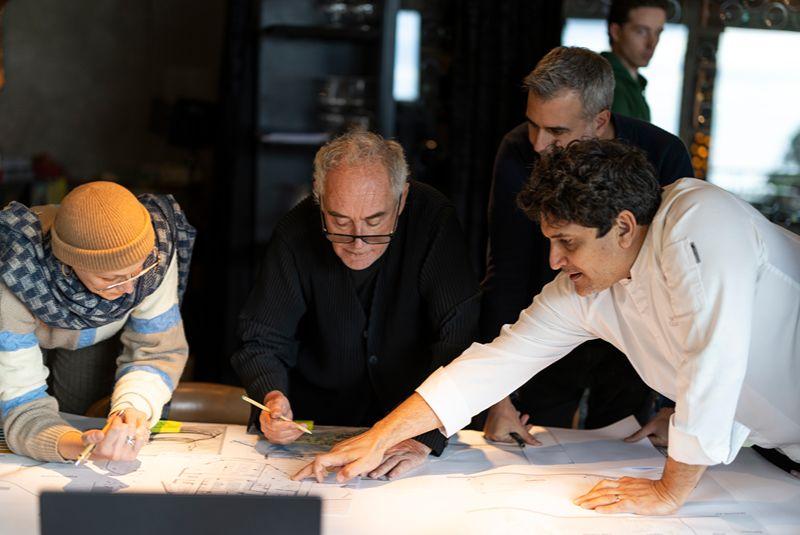
Chefs Ferran Adrià of El Bulli (centre) and Mauro Colagreco of Mirazur (right) collaborating with the team
"It was almost like opening a new restaurant," Adrià reflects. Is he happy with the end result? "We're delighted with it because the guests are delighted with it."
Most of Adrià's time is taken up with his work for the El Bulli Foundation, which aims to preserve the restaurant's legacy and promote gastronomic education. "Back in 2012, when people asked me what was next, I always answered 'education'," he says. Improving business acumen among the chef community is, in his opinion, an essential first step. "In Spain and in Europe more generally, it's a disaster. People don't even make budgets."
In 2010, he worked with Harvard University on a new Science and Cooking course and in 2024, the Madrid Culinary Campus (MACC) opened, the result of a collaboration between the El Bulli Foundation, Universidad Pontificia Comillas and the Vocento media group.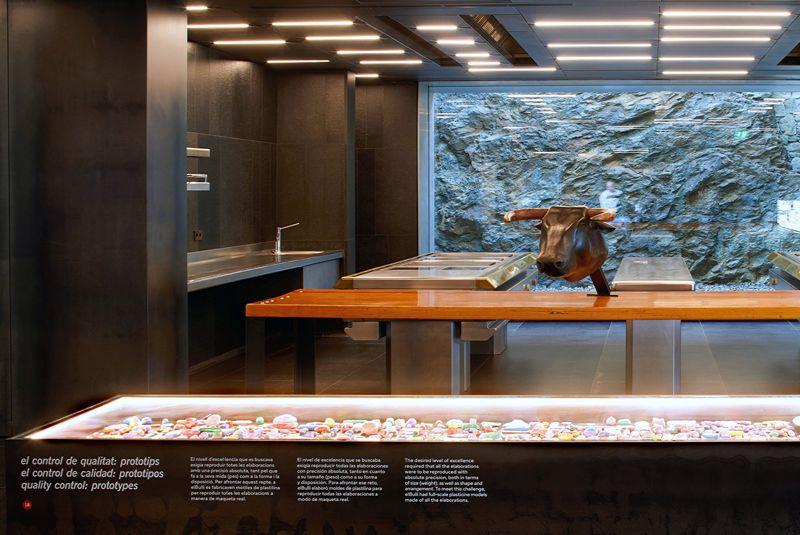
Kitchen fixtures from the original El Bulli restaurant on display at the elBulli1846 museum
MACC is a university dedicated to all elements of the restaurant industry, including gastronomy, business management, agronomy and sustainability. "Now, my creative challenge is to create the best possible gastronomic university and to keep innovating in that sphere."
Despite all his success, Adrià isn't satisfied. "After 14 years, we're very happy with the foundation, but it'll take us another four or five to achieve what we hoped for."
Header image credit: Pepo Segura
Discover more stories from The World's Best Restaurant Award winners.