.jpg)
Once dismissed as old‑fashioned, sato is making a comeback in Bangkok's best restaurants. Learn how bartenders and chefs are bringing this rural rice wine to their menus.
At Noi Samrub Bar and Eatery, the new Bangkok restaurant from Prin Polsuk and Thanyaporn "Mint" Jarukittikun of Samrub Samrub Thai, the drinks fridges are stocked not with beer or wine, but rack upon rack of sato, a traditional Thai rice wine that's recently been enjoying a comeback at many of Bangkok's best restaurants.
"Sato has always been part of Thai food culture, especially in the countryside", explains Mint. "It's something people drank together at home, with food, with friends. But over time, sato was often seen as something old-fashioned or informal, and slowly disappeared from the table in the city."
Originating in the northeastern rice-growing province of Isan, sato (pronounced sah-toe) is made from fermented sticky rice, luk paeng (a collection of moulds and bacteria), yeast and water. It is loosely comparable to makgeolli, the Korean rice wine currently enjoying its own renaissance, but whereas makgeolli is known for its sour, thick texture, sato is light, slightly effervescent and usually much sweeter.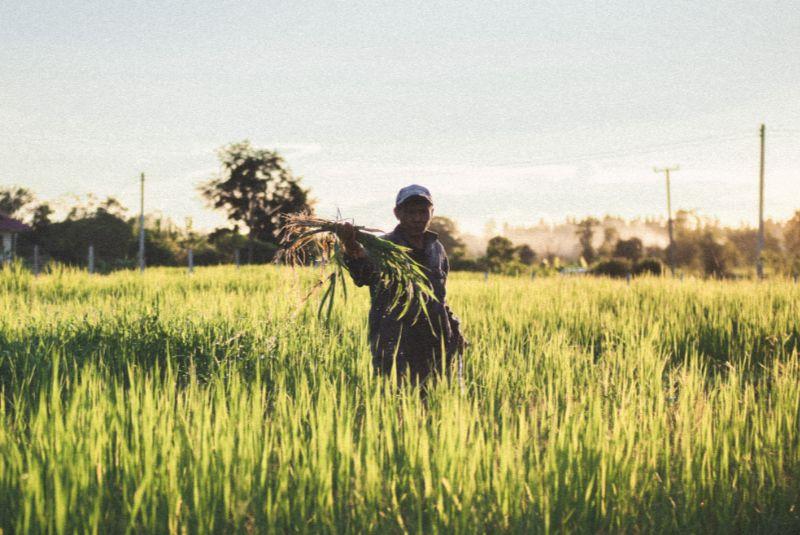
At the farm in northern Thailand, Nanuanchan brews sato using native rice varieties
At around five to seven per cent alcohol, it has the pleasing approachability of beer, with the refined savoury rice notes you'd find in sake. It's usually made with white sticky rice, but can also be made with black sticky rice, resulting in a light red-coloured sato, or flavoured with all manner of extra ingredients such as guava, hibiscus or watermelon.
Despite having been largely forgotten, Sato is undoubtedly the drink of the moment in Bangkok. In addition to Noi Samrub Bar, sato is being served at a roll call of the city's best restaurants including Chef Pam's (The World's Best Female Chef 2025) Potong and Khao San Sek; Soma, from chefs Chalee Kader (Wana Yook and 100 Mahaseth) and Num Weerawat; Chef Ton's restaurants Le Du and Nusara; Baan Lamyai, a brand new hotspot from chef Chalita Uttasart based in the living room of the apartment she grew up in; and zero-waste pioneer Electric Sheep, which offers one of the most varied sato selections.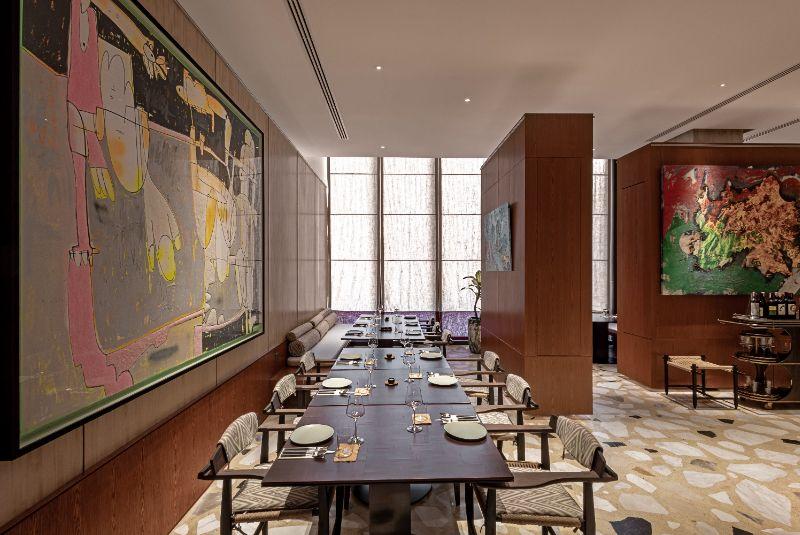
Soma serves sato made with a variety of grains, including red sticky rice, indigenous black sticky rice and white sticky rice native to Kalasin
So how did this humble, rural drink come to be embraced by some of Bangkok's best chefs? For Mint, who started serving sato at Samrub Samrub in 2023, the renewed interest in sato "reflects a bigger movement in Thai cuisine – valuing our own traditions and showing that they can be thoughtful, refined and meaningful in a modern context. When we cook Thai food seriously and with respect, it feels natural to also serve drinks that come from the same place. It completes the picture."
From Samrub Samrub, Prin and Mint expanded their sato offering to their second restaurant Vilas, before opening Noi Samrub Bar in December 2025 with what's probably the city's biggest sato selection. This includes several bottles from Devanom and Nanuanchun, two producers at the heart of the sato renaissance, both instrumental to the changing perception of sato from a rustic farmer's drink to a desirable and sophisticated one.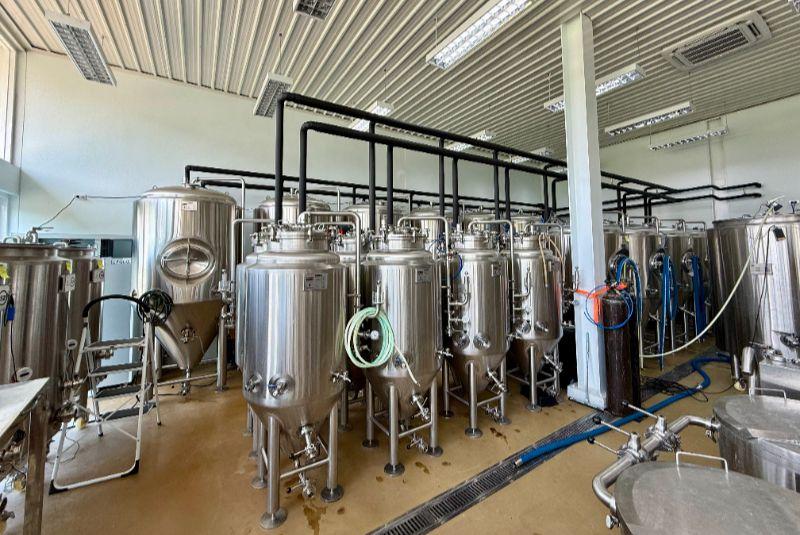
Stainless steel brewing tanks introduce a Devanom's modern approach to fermenting sato
Nanuanchun was founded by Keng Songpon Pharupon, who trained as an architect in Bangkok before returning to his family farm in Kalasin which has grown rice for generations. Keng initially made a small batch of sato as a New Year gift for friends, but a few chefs he supplied with rice soon became curious and asked to try it. This led to his first sale to Samrub Samrub in 2023 and things took off from there – at the end of 2024 he built a sato production house in his grandparent's rice fields to keep up with demand, and making sato is now his full-time job.
For Keng, the increasing popularity of sato feels natural: "Thailand has an incredible diversity of native rice varieties, which makes transforming them into sato endlessly exciting for me. Sato ferments relatively quickly, resulting in a fresh, easy-to-drink, and refreshing character. It's lively, enjoyable, and works naturally with Thai food of all kinds. I believe this is why more chefs and restaurants are choosing to serve sato today."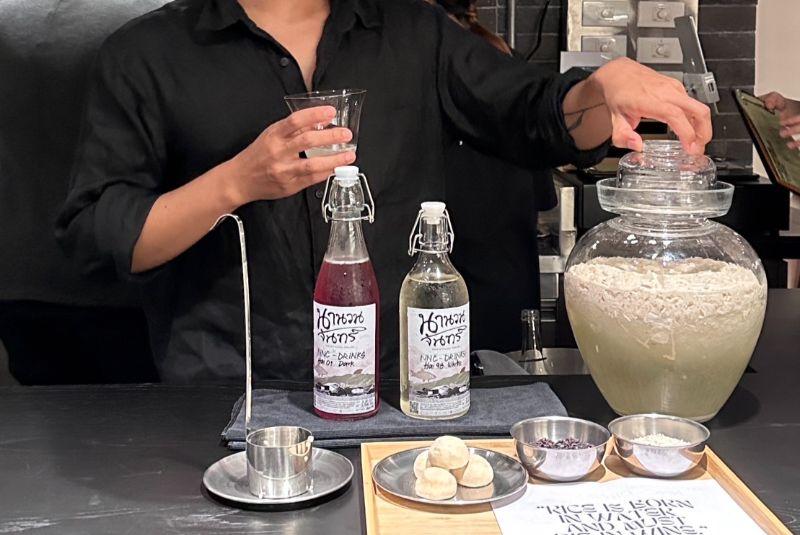
As part of the sato production process, a 1:1 rice-to-water ratio ferments for up to 15 days
Mint agrees that its natural pairing with bold Thai flavours has been a crucial factor in sato's resurgence among chefs. "It's gentle, not too heavy, with a light sweetness and acidity from fermentation that helps balance spicy and herbal dishes. It's not about nostalgia or bringing something back just for memory. It's about how it actually tastes and fits with the food."
For Tam Chaisiri, sommelier at award-winning Le Du and Nusara, there is also a certain sense of pride in serving sato, a drink that reflects the terroir of Thailand in a way that imported wines can't. "As an Asian sommelier I think it's important that I actively use sato to pair with our dishes, as it uniquely reflects the evolving landscape of our region".
Many chefs are using sato as an ingredient in their dishes too. Dylan Eitharong's supperclub, Haawm, has coconut cream relish of sato lees and crab with vegetables; Two-Michelin-starred Baan Tepa offers a sato lees aged pork belly dish; and Chef Ton of Le Du, makes a sato jelly as a pre-dessert on his tasting menu, and uses a red sato to pickle watermelon for a salad. At Simon Rogan's Aulis outpost in Phuket, the team works with a local brewer to produce a bespoke sato, used both as a drink pairing and as a marinade for the tasting menu's fish course.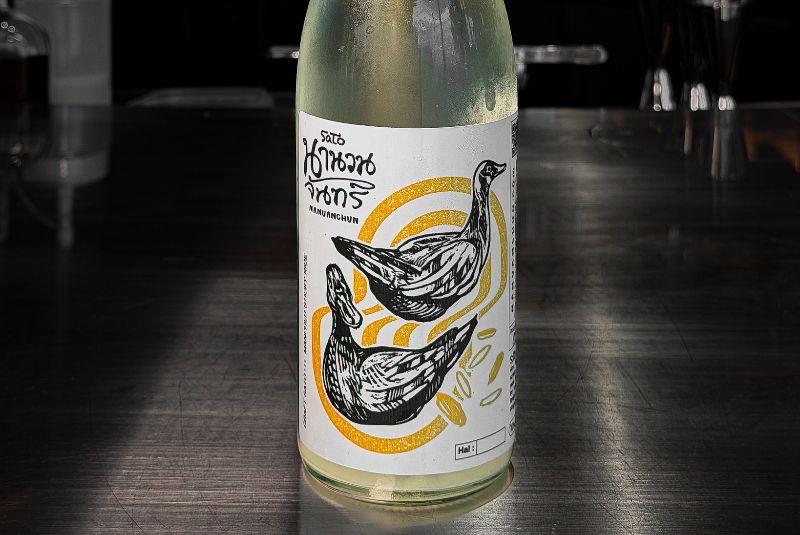
At Noi Samrub Bar, sato is available by the glass or by the bottle
It may still be early days in the sato revival, but with its growing popularity among both chefs and diners, and new producers appearing all the time, it's sure to become increasingly common over the next few years. For Devanom founders Art and Ob, they see sato becoming as big as makgeolli has in Korea: a mainstream, sophisticated, and internationally recognised product. With Devanom about to export to London for the first time, where it will be available at Khao-So-I, it may not even be too long before sato goes global – but for now, it's yet another reason to enjoy Bangkok.
Top five places to drink sato in Bangkok
Noi Samrub Bar
The casual new restaurant from Prin Polsuk and Mint Jarukittikun of Samrub Samrub Thai features a large range of bottles from Nanuanchun and Devanom and is the only place in Bangkok that serves Nanuanchun on draft.
Electric Sheep
This cool industrial spot from chefs Amerigo Tito Sesti and Yoan Martin serves sato from producers like Mr Sato, Sato Sato, Devanom and Allure, as well as sato-based cocktails.
Soma
A collaboration between chefs Chalee Kader and Num Weerawat, Soma offers several satos from Nanuanchun as well as a new producer, Heha Sato. Chalee is also due to launch a new venue, Sato Social Club, in 2026.
Devanom Tasting Room
Located on the outskirts of Bangkok (technically in Nonthaburi) the Devanom brewery and tasting room is a bit of a journey. But once there, you can try the entire range, from cans of unfiltered craft sato and citrus-infused versions, to a range made using different rice varieties, such as jasmine and black rice.
Warehouse Barby Jaang Craft Beer
This craft beer bar also serves two satos on draft that are made on site by the owner's wife. Beware: this homebrew is definitely stronger than the claimed 4.7 per cent.
Discover more fantastic bars, restaurants and hotels with 50 Best Discovery, and start planning your next adventure.