Forget the grand temples of haute cuisine. Some of the most exciting food in Paris is being served in neighbourhood bistros.
The French gave birth to the brigade system, codified by Auguste Escoffier in the late 19th century, along with a blueprint for the rituals and sensibilities of formal fine dining that spread across the globe. Yet in Paris today, some of the most creative cooking unfolds in far less elaborate settings.
The roots of this shift lie in bistronomie – a movement widely credited to chef Yves Camdeborde in the 1990s, who rejected the rigidity of haute cuisine in favour of something more relaxed, ingredient-driven and accessible. By the 2010s, it had been thrust into the global spotlight through restaurants such as Septime and Le Chateaubriand. Here, stripped-back dining rooms blurred the line between bistros and fine dining, and became the stage for some of the city's most expressive cooking.
A return to old-school bistronomie has gathered momentum in recent years, but it is the modern bistro that continues to carry the bistronomie torch – even if, from a culinary perspective, the likes of Table by Bruno Verjus feel like its most evolved descendants.
The bistro, meanwhile, has proved adaptable. Its codes are now remixed with Asian and other global influences – a cultural current that gained momentum with Le Servan and continues to ripple across the city. Another pathway has emerged in the form of the informal tasting menu: a format that continues to allow chefs to express a distinct point of view, but without the frippery that once defined it.
One thing that hasn't changed is the vin naturel to wash it all down. Here, then, beyond the 2010s progenitors, are six descendants of Camdeborde's vision. With The World's 50 Best Hotels 2026 landing in Paris this September, discover the best of this new bistronomie movement.
Vantre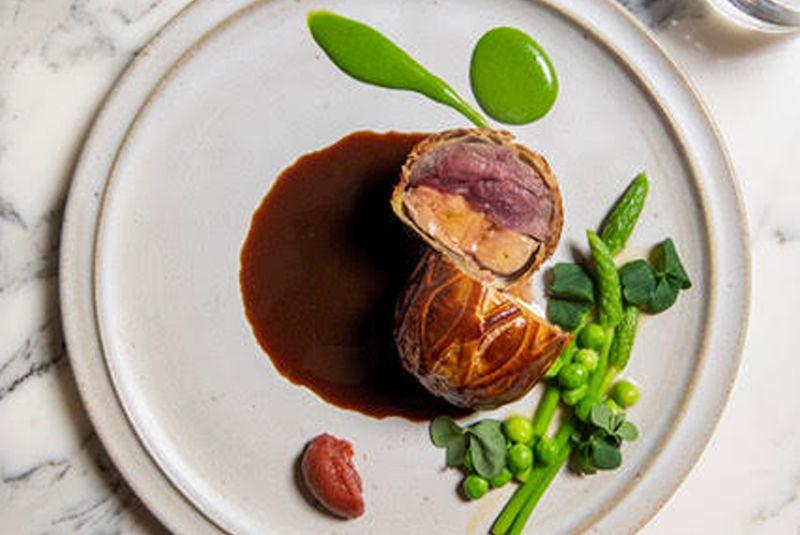
Pigeon stuffed with foie gras is a signature dish at Vantre
Open Monday to Friday only, this wine bolthole is the joint effort of chefs Jacopo Chomel and sommelier Marco Pelletier, who met at Le Bristol. The kitchen delivers uncomplicated yet adventurous plates that embody an open, playful approach to all things Gallic – from oysters topped with pork jelly and sour cream and red tuna served with early-season red berries with a vibrant hibiscus-beet sauce, to grilled pig's head with seaweed and tomato tartare. An industry favourite, this intimate Parisian bistro is where seasonal ingredients and good wine take centre stage.
Le Servan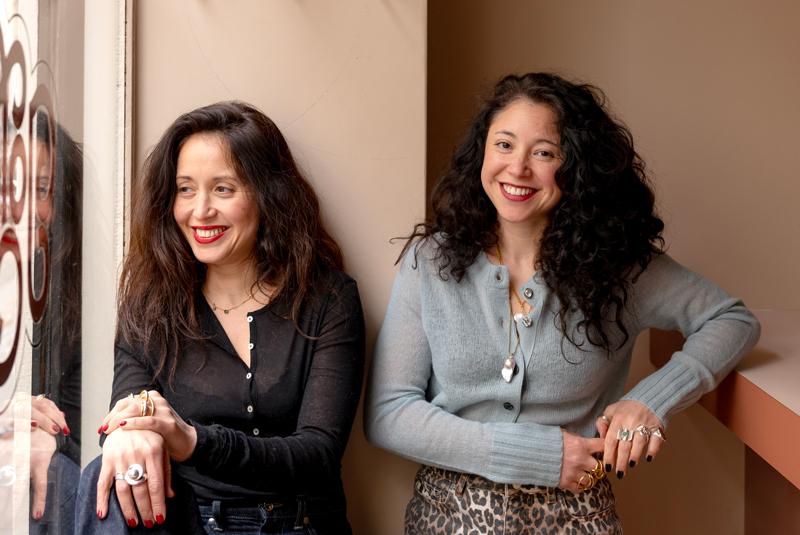
Sisters, chef Tatiana and sommelier Katia Levha, founded their first restaurant, Le Servan, in 2014 (Image: Mickael Bandassal)
A defining expression of contemporary bistronomie, Le Servan was one of the first to bring Asian influences into a bistro setting when sisters Tatiana (ex-L'Arpège) and Katia Levha founded it in 2014. Shaped by a French Filipina heritage and a childhood spanning France, Hong Kong, and Thailand, their cooking is vibrant, precise and culturally fluid. The relaxed dining room – set in a former bar – pairs ornate ceilings with a faded fresco in turquoise and gold. The colourful dishes balance finesse and punch, from veal tartare with smoked mayo and dashi to white asparagus with green curry sabayon. The fried boudin noir wontons – which have deservedly achieved cult status – are deeply savoury and unmistakably their own.
Maison Sota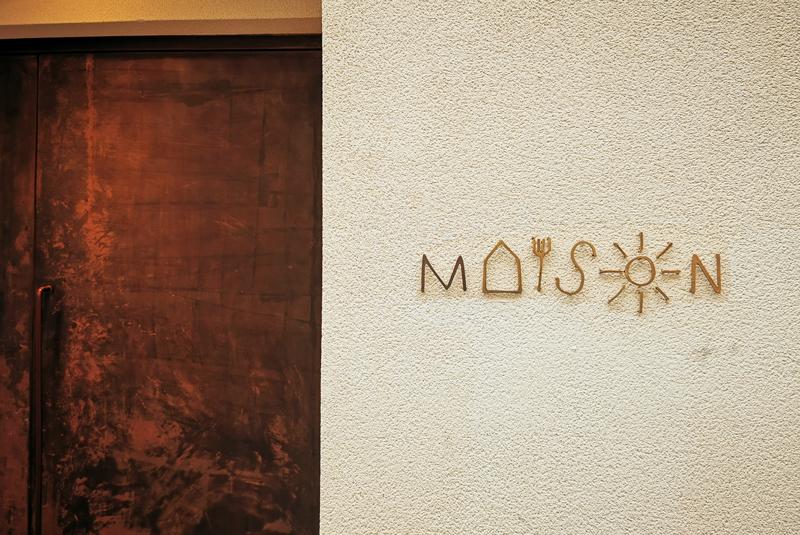
Maison Sota's minimalist exteriors belie the cavernous tiled space within
After gaining a following at archetypal natural wine bistro Clown Bar, Sota Atsumi opened his own restaurant in 2019, bringing his distinct culinary voice into focus. Guests are seated on a mezzanine in the warm, clay-toned space, with a full view of the open, wood-fired kitchen. The Tokyo-born chef brings an earthy restraint to French technique, favouring clarity over excess. Even within a tasting menu format, the atmosphere feels effortlessly laidback. Dishes hinge on unexpected sauces – like grilled leeks marinated in pigeon garum or a grilled courgette and green bean salad with a sauce Albufera and pistachio cream. Inventive combinations continue with desserts like pavlova with lychee cream, beetroot, physalis, and mandarin sorbet. The duck pithiviers remains a signature.
Cheval D'Or
Its bold mustard-yellow Chinese characters overlaying a burgundy façade signal the restaurant's playful 'Chinese bistro' concept, boldly stretching bistronomie into fresh, unexpected terrain. Served as shared plates and keep the energy relaxed and communal, the tasting menu showcases Chef Hanz Gueco's genre-bending cooking. Expect dishes like crepes Suzette with duck sausage and hoisin, foie gras char siu, and to finish, fig clafoutis with red bean and vanilla ice cream.
Les Enfants du Marché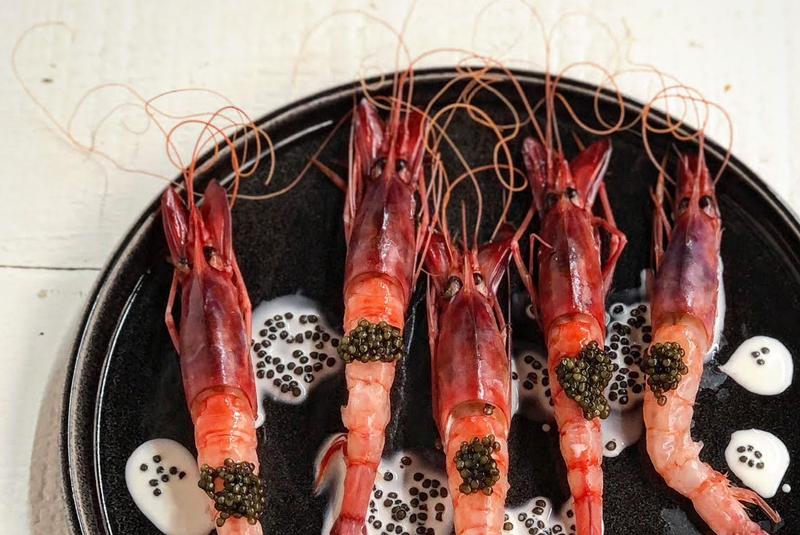
No reservations are accepted at this bustling seafood counter; seating at Les Enfants du Marché is first come, first served
It could be argued that there's no setting truer to the ethos of bistronomie than a market, especially when Chef Shunta Suzuki composes bold, colour-driven plates that meticulously walk a fine line between minimalism and maximalism. Amid the marché buzz, every dish reveals Suzuki's deft technique and fearless imagination – with some dishes that could easily sit on a two-star tasting menu. This rings especially true with inventive flavour combinations like sea urchin with airy beetroot, or foie gras with eel framed by an all-purple ensemble – but that doesn't mean classics like escargot in vivid garlic-parsley butter are left out.
Orson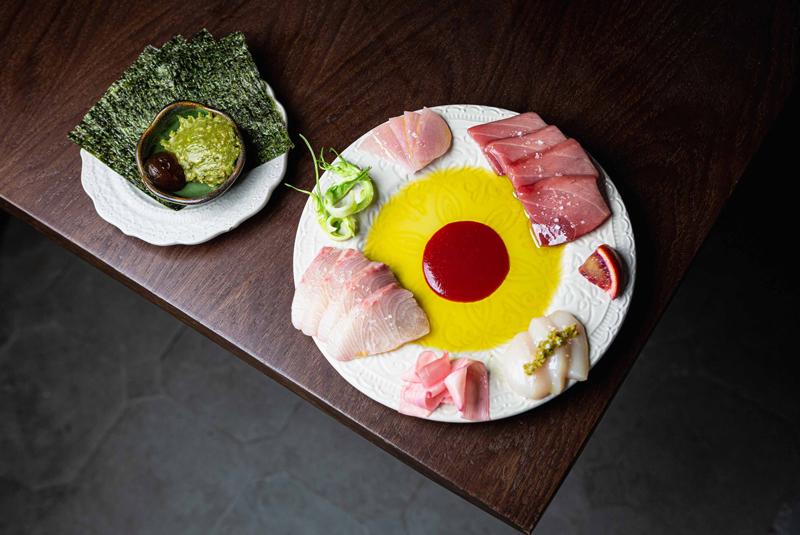
The sashimi of the day dish at Orson arrives with dry-aged fish, fermented plum sauce and raosted seaweed laver (Image: Lucas Chombart)
Centred around an Etxebarri-style pulley-operated grill system featuring adjustable-height grids, Chef Esu Lee brings his Korean heritage, and experiences cooking in Paris, to provide yet another pathway for the modern bistro. A young gun with boundless energy and a healthy disrespect for culinary boundaries, expect banchan such as beef jerky with Sichuan mayo and woodfired crudités, followed by a sashimi of the day or yukhoe: tartare of bavette accented with gochujang and egg yolk – a dish that unites the historic raw meat dishes of Paris and Seoul. For a main, it could be short ribs with white asparagus, ajo blanco, and beef jus, or spider crab tteokbokki with parmesan custard, whilst a mainstay dessert is chocolate mousse with miso ice cream.
Header image credit: Mickael Bandassak
Discover more fantastic bars, restaurants and hotels with 50 Best Discovery, and start planning your next adventure.