In partnership with Lee Kum Kee
From Korean rice cakes in anchovy stock to Shanghainese pork and shrimp wontons in whole chicken broth, discover the dishes that world-leading chefs turn to year after year.
Shanghai-style pork and shrimp wontons
Vicky Cheng, chef-owner of Wing and Vea in Hong Kong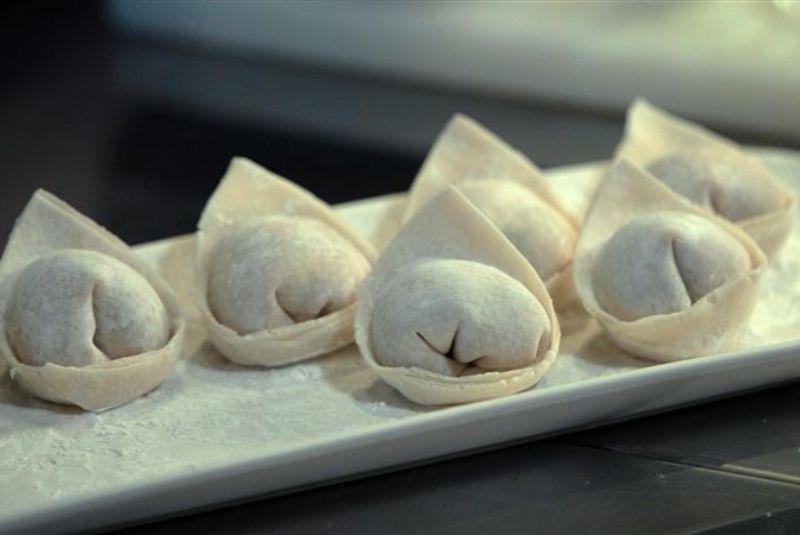
After wrapping, the wontons are placed on a plate lightly dusted with flour to prevent sticking
Growing up, we always celebrated Spring Festival with my grandmother's Shanghai-style pork-and-shrimp wontons. I made plenty of mistakes (and mess) learning how to make them as a child, but her reassuring presence always made cooking a joy. Everything was instinctive with her: a spoonful of this, a pinch of that, so recreating the wontons meant piecing together memories through phone calls with my mother and grandmother. The dish is made up of two parts: a broth that involves simmering a whole chicken for four hours, and then the wontons, which combine the savoury richness of pork belly with the sweetness of shrimp. Rather than the thinner Cantonese-style wrapper, we use the slightly thicker Shanghainese white wrapper, and shape them like tortellini to resemble an ingot [a currency used in imperial China], symbolising prosperity and good fortune. You then boil the wontons in slightly salted water for four minutes and serve in chicken broth seasoned with soy sauce, sesame and white pepper. I don't serve them yet in my restaurant, but I still make them at home and hope my daughters will grow up with the same memories of those flavours from childhood.
Rad nha
Pichaya 'Pam' Soontornyanakij, chef-owner of Potong in Bangkok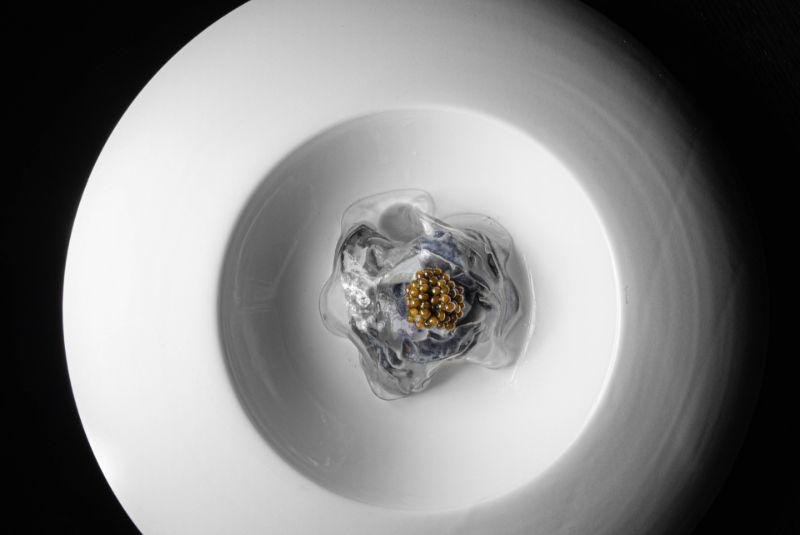
Yin Yang Noodle with grated shrimp yolk at Potong
My mother always makes rad nha, a simple Thai-Chinese noodle dish with pork and kale in a thick gravy. The softness of the noodles combined with the bold sauce represents balance. The dish is very close to my heart, inspiring the Yin and Yang Noodle at Potong, which we gave a modern spin by swapping the gravy with a clear broth. In my mother's version, the pork is always marinated with soy sauce, egg white, a touch of sesame oil and cornstarch: the classic Thai-Chinese velveting method – which gives it that tender, silky texture. The rice noodles are toasted in a hot wok until lightly crisped at the edges. Noodles have always been on our New Year table since I was little, and they carry so much meaning. The longer the strand, the longer the life, and you're never supposed to cut them. My mom would make them differently each year – sometimes in soup, sometimes stir-fried – depending on what we had, but always with care.
Tteokguk
Junghyun Park, co-founder and chef of Atomix and Atoboy in New York City
In Korea, we always have tteokguk: sliced rice cakes in broth, a dish that represents the start of a new year. In my family, we use an anchovy-based stock with beef, which creates a light, but deeply flavourful broth. I was taught to clean anchovies thoroughly, soak the beef, skim patiently for clarity and add the rice cakes at just the right moment. Alongside tteokguk, we have jeon (savoury pan-fried pancakes) and namul: blanched, steamed or stir-fried vegetables, reflecting seasonality and the passage of time. At this time of year especially, I want to preserve the act of taking time. The patience necessary to ferment, dry or age ingredients, alongside the time spent preparing food together. I believe that when that disappears, culinary heritage disappears with it. It's important to teach children that it's okay for dumplings to look imperfect, for things to take time, and that the value lies in doing it together.
Steamed chicken with soy and ginger-scallion oil
Danny Yip, chef-owner of The Chairman in Hong Kong
Flavours at this time of year are richer and bolder: think layered fats from braised meats, the earthiness of dried seafood and sweeter notes from glutinous rice or candied fruit. But the one dish I can't imagine celebrating Spring Festival without is chicken. A whole chicken, specifically, often steamed or poached to keep its natural flavours. In Cantonese culture, serving a whole chicken is an essential part of the pre-meal ritual – an offering to ancestors and deities. In my family, we carve it tableside, then finish with a drizzle of light soy sauce and ginger-scallion oil. Another dish we always have is braised Chinese mushrooms with abalone. Its base is oyster sauce, which carries the unmistakable "flavour of home", blending with the earthiness of the mushrooms and briny abalone to create layers of complexity.
Hot pot
Vicky Lau, chef-owner of Tate Dining Room and Mora in Hong Kong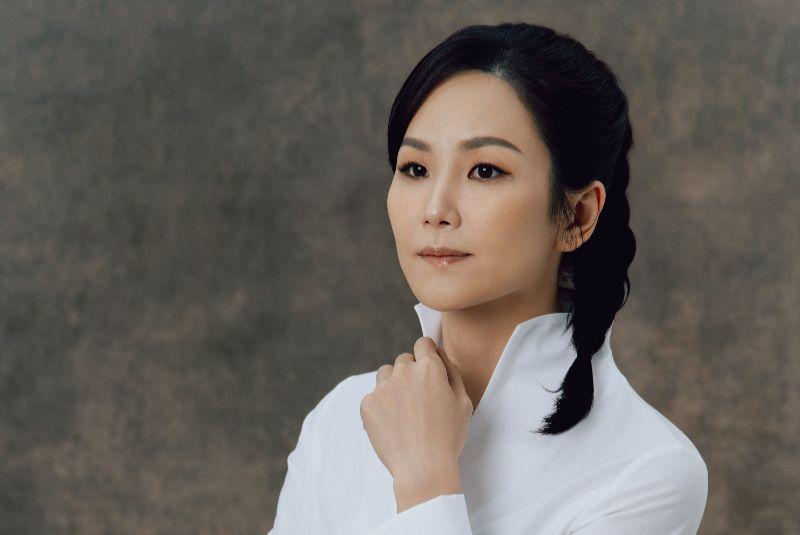
Hot pot is always at the centre of our celebrations. It represents harmony and reunion – everyone cooking and eating from the same pot. My grandfather's Chiu Chow-style broth was delicate but deeply flavourful, filled with seafood, vegetables and tofu. We'd also have traditional dishes like fat choi ho see (braised oysters with black moss) for prosperity, fried taro cakes and sweet dumplings for a sweet start to the year. One dish I remember vividly is the vegetarian meal we'd have on the first day of the new year, filled with fresh vegetables and seaweed. As a child, I didn't understand why it felt so simple compared to the feast the night before. But now as a chef, I see the poetry in it: beginning the year with purity and balance.
Whole steamed fish
Anna Chen, chef-owner of Alma in Toronto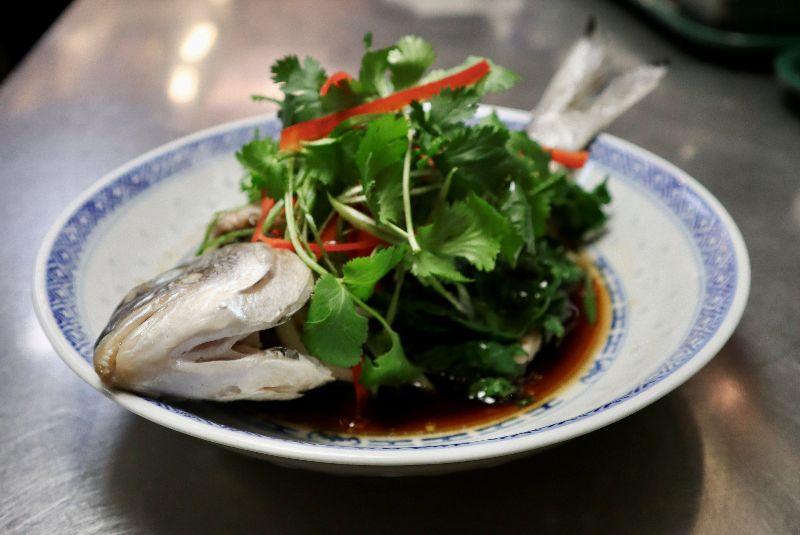
The sea bream on Alma's New Year menu is steamed, then dressed with coriander, julienned red chilli pepper and scallion
I remember this dish most clearly because the fish was always treated with reverence, placed in the centre of the table, left mostly intact and eaten slowly. As a child, I didn't fully understand the symbolism, but I understood that it mattered, and what's been passed down in my family is less a recipe and more a way of handling restraint. The lesson was always about knowing when to stop. The technique is deceptively simple: the fish should be fresh, cleaned properly and steamed until the flesh yields. Aromatics like ginger slivers and scallions are used sparingly, placed to perfume rather than dominate. Soy sauce is warmed separately, then poured over the fish at the end, followed by hot oil to release aroma. That final moment matters, when patience and timing come together.
Egg dumplings
Tony Lu, chef and founder of Fu He Hui in Shanghai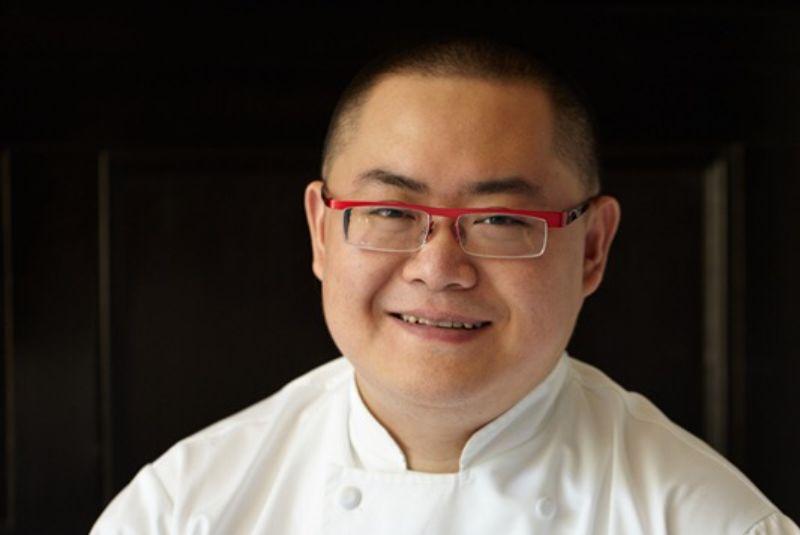
On the day of Spring Festival, my family always makes egg dumplings. My grandmother taught me how to make them, and their golden colour is said to bring wealth and prosperity. You heat a metal spoon over low heat, rub it with pork skin to grease it, pour in a beaten egg and gently blend the mix so it coats the bottom of the spoon. Before the egg fully sets, place a small ball of minced meat in the centre. Once the edges firm up, carefully lift one side with the tip of your chopsticks and swiftly fold it over the meat. Then tilt the spoon to seal both sides together. Once the egg is fully set, the dumpling is done. Both grandparents and young ones can take part in the recipe because it is so unfussy – it all just goes into one pot. It's always a warm and communal experience.
Yu sheng
LG Han, chef-owner of Labyrinth in Singapore 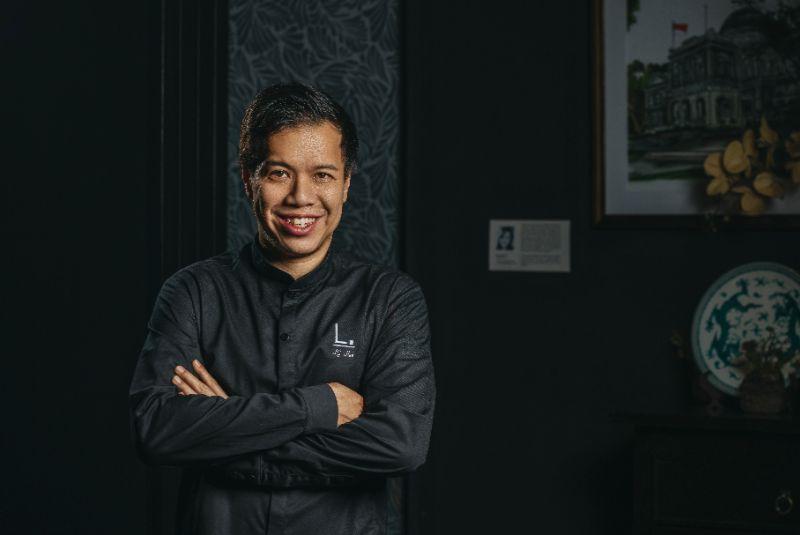
For me, Spring Festival was always about cooking at home, with heart and soul. My grandmother cooked everyone's favourite meal because she knew every person at the table. That's something I try to honour, in the way I talk to my team about food and memory. One dish we always have on the table is yu sheng, a fish salad that symbolises prosperity. Fish salad exists across China in many forms, but in Singapore we have rainbow yu sheng, which includes seven different kinds of vegetables and follows the recipe of the Four Heavenly Kings [four chefs credited with the salad's invention and famed for bringing Cantonese cuisine to Singapore]. In it, you'll usually find raw fish, salmon, sweet plum sauce, pepper, calamansi, sesame seeds and crispy crackers. They say the higher you toss it, the more prosperous you'll be. It's messy, loud and joyful. Everyone reaches in with long chopsticks – a moment that really captures the spirit of the festival.
Discover these chefs' world-class restaurants on 50 Best Discovery
About Lee Kum Kee
@leekumkeeglobal
Lee Kum Kee has been sharing Chinese culinary culture since 1888. Headquartered in Hong Kong, the brand brings people together through reunions, traditions and memorable meals, offering more than 300 sauces and condiments trusted by home cooks and professional chefs in more than 100 countries worldwide.