From sub-zero serves to the unstoppable rise of Athens, these are the takeaways from the first edition of Europe's 50 Best Bars.
No ice is super hot
Having ice in a cocktail seems like a foregone conclusion. But for a number of Europe's top bars, its inclusion as an important part of a drinks programme is no longer a given. While not an entirely new concept – with London's White Lyan pioneering the idea in 2013 – the practice is gaining traction among Europe's new wave of drinkeries.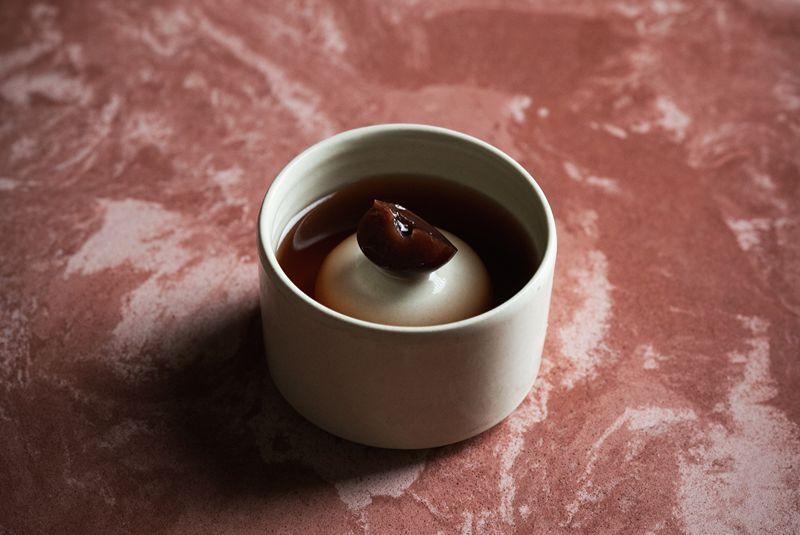
De Vie uses custom ceramics instead of glass to keep cocktails cool (Image: Millie Tang)
When former Little Red Door bartenders Alex Francis and Barney O'Kane were in the early stages of designing the drinks programme behind De Vie in Paris – winner of the Ketel One Sustainable Bar Award 2026 – they quickly identified the advantages of removing ice were three-fold.
To overcome the challenge of keeping drinks cold, the bar deploys an innovative line-up of custom insulating ceramics designed to maintain sub-zero temperatures for prolonged periods, alongside using substances like liquid nitrogen to rapidly cool stemmed glassware down to -20°C. This choice removes the need to waste hundreds of litres of water creating ice with inefficient machines, only to dispose of unused cubes down the drain at the end of service.
When it comes to what's in the glass, no ice means no dilution, meaning each serve carries the exact flavour profile designed by the bar team, from first sip to last. The final advantage comes economically. Where many contemporary bars spend small fortunes on clear ice deliveries of varying cube sizes, eliminating it means costs are largely limited to running freezers and purchasing liquid nitrogen.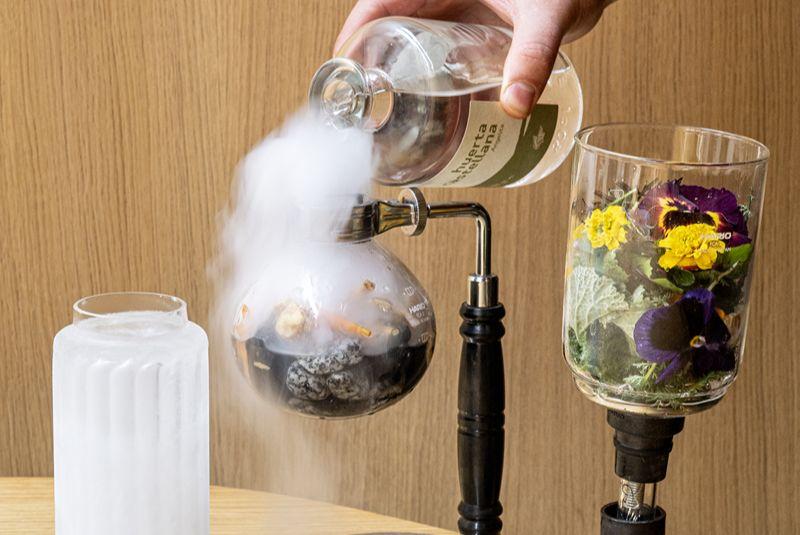
Angelita in Madrid also opts for no ice in its drinks
Similar stories exist across the European continent, with Angelita in Madrid also omitting the use of ice entirely across its two floors, favouring carefully pre-calculated dilutions and frozen glassware instead. For guests, the experience remains identical, but the advantages behind the scenes are numerous.
The Greek cocktail colossus is here to stay
With five bars included in the inaugural ranking – matching Paris and just behind Barcelona and London – Athens' scene has never been stronger. But the city's penchant for great drinks is also nothing new. More than a decade ago, The Clumsies and Baba au Rum first introduced best-in-class craft cocktails to the city and trailblazed a path for a host of fresh talent to take the reins and bring the scene to new heights in the years since.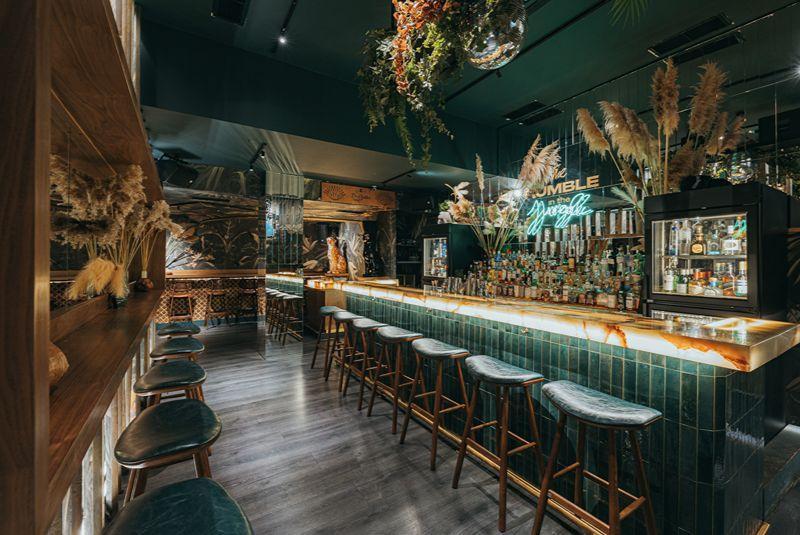
The Bar in Front of the Bar is home to two concepts
The Bar in Front of the Bar is one of the fresh faces – a dual-concept venue that leans into al fresco drinking from a high-volume cocktail hatch while its inside space stands as more of a boutique lounge with a more adventurous drinks list. A short stroll away, Barro Negro is Greece's first specialist agave bar, proving Athens is just as party to the tequila and mezcal boom as the world's other established cocktail capitals.
But the leader of the pack is undoubtedly Line, created by The Clumsies co-founders in 2022, inside a former art gallery, with the intention of building a new model for what a sustainable bar can be.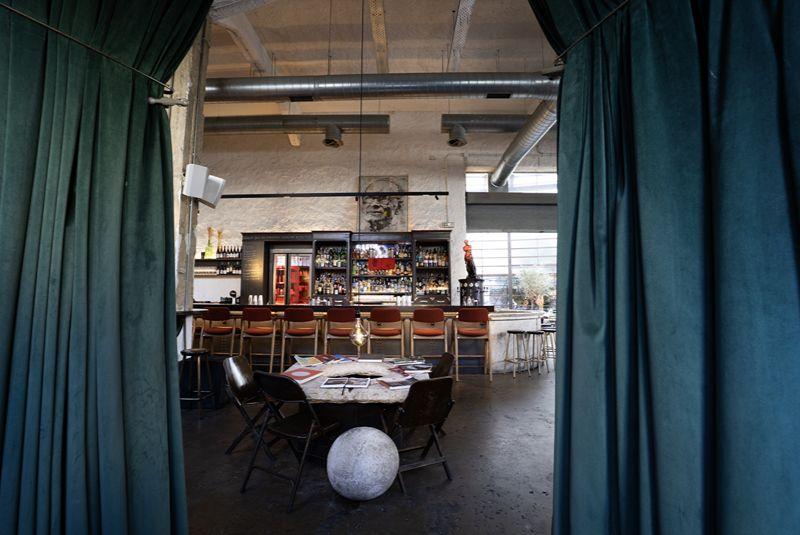
The inaugural No.1 spot of Europe's 50 Best Bars was taken by Line in Athens
What makes the Athenian bar scene unique? "It's in the DNA of Greek bartenders to express themselves without rules behind the bar," said Vasilis Kyritsis shortly after Line was named The Best Bar in Europe 2026, sponsored by Perrier.
Day-caps
Forget nightcaps, an increasing number of venues are now all-day hangouts that transition from café-style spaces into fully fledged cocktail lounges when sunset hits. 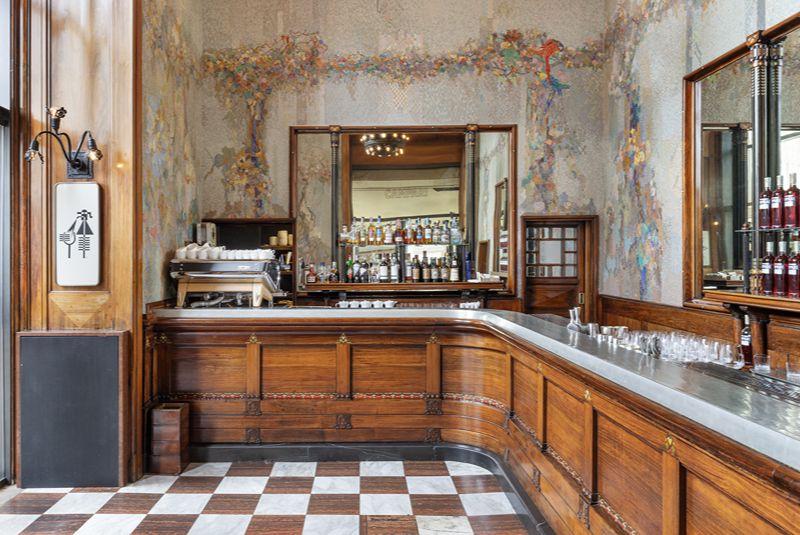
Located on the doorstep of the Duomo, Camparino in Galleria is a Milanese institution (Image: Melania Dalle Grave)
Italy is no stranger to this, with bars such as Camparino in Galleria acting as the epicentre of aperitivo culture. But its neighbours have caught on. From 3pm, light streams into Bar Nouveau's compact, Art Nouveau-themed space, with well-dressed Parisians and tourists alike transfixed on the sole bartender behind the horseshoe-shaped bar while sipping a Fine à l'Eau. As evening falls, the bar's energy shifts to become moodier, with its contemporary space downstairs – where the Art Nouveau theme is flipped on its head – opening. Likewise, London's Three Sheets welcomes guests from the early afternoon and sports an extensive food menu to keep people there all night long.
Line takes a step further, opening each day from 10am with coffee, sweets and house-made breads created from the byproduct of its numerous on-site fermentations. Beyond just providing a space to sip into the night, bars are increasingly becoming third spaces and social hubs.
Second cities are rising
The globalisation of cocktail culture has meant best-in-class bars are no longer solely found in capital cities, with new destinations coming into the picture.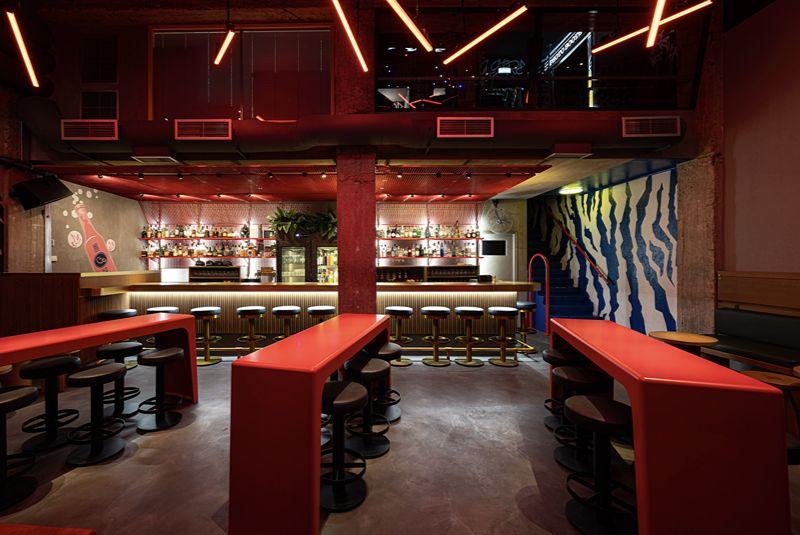
Gorilla in Thessaloniki is proving that Athens is not Greece's only cocktail city
In Greece, while Athens is undoubtedly having its moment, Gorilla in Thessaloniki has emerged with its 'fine drinking and fun' philosophy, proving Greece's second-largest city should be just as celebrated as its capital. In Poland, two art-themed bars are leading the charge away from the influence of Warsaw, with Tag in Krakow and Art in Katowice – winner of the Campari One To Watch Award 2026 – taking the spirit of surrounding locales and translating them into innovative, countercultural concepts.
In Scotland, Panda & Sons' pioneering drinks created by freezer wizard Iain McPherson have put Edinburgh on the global cocktail map and helping it emerge from the shadow of the often London-centric narrative surrounding UK cocktail discourse.
Local concepts are thriving
While globalisation has brought its advantages, a common criticism has emerged that many leading bars across the world can now feel the same – borrowing the same techniques, glassware and aesthetic regardless of where they are based. But a new generation of bars suggests those building their identity around local culture are excelling.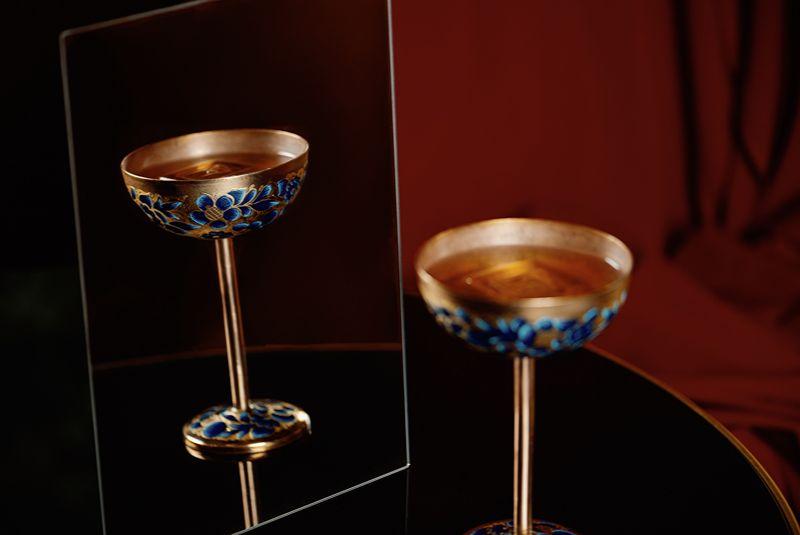
Unique pieces from Slovak artists can be found in every corner of Mirror Bar
Bratislava's Mirror Bar – winner of the Michter's Art of Hospitality Award 2026 – is a key example. Every detail of the bar acts as a love letter to Slovak craftspeople, from ceramicists, florists, carpenters and artists. Within its drinks, local herbs and spirits such as borovička ensure Mirror Bar's offering is unmistakably Slovakian.
A similar story rings true for Himkok, with its rise attributed to its ability to spotlight local Norwegian flavours. Its creative drinks programme stems from the on-site brewery and distillery which produces ciders and beers, alongside vodka, gin and aquavit that are used with local ingredients like as birch in the construction of many of its cocktails. As the new frontier of luxury and hospitality leans into exclusivity, it's clear that bar-goers across Europe are searching out unique concepts that cannot be replicated elsewhere.
The list of Europe's 50 Best Bars 2026, sponsored by Perrier, was revealed in Amsterdam on 30 June. Check out the full list and start planning your next bar discovery.